British Prime Minister Keir Starmer is facing the gravest threat to his leadership since leading Labour to a landslide election victory in 2024, with reports suggesting he could announce his resignation as early as Monday.
According to Britain’s Observer newspaper, Starmer was expected to resign and outline a timetable for his exit. However, a government source, cited by Reuters, pushed back against the speculation, saying the prime minister remained focused on governing.
The Observer’s report said Starmer was discussing his future with his wife at the Chequers country residence before making a final decision. Senior Labour figures were said to be expecting a clear statement on his intentions in the coming days.
Starmer, however, struck a defiant tone on Friday, saying he would fight any challenge to his leadership and urging Labour not to descend into infighting.
According to a Reuters report, UK business minister Peter Kyle dismissed reports that Starmer plans to resign on Monday, saying he has “nothing” to suggest the claim is true.
Pressure on Starmer reaches tipping point
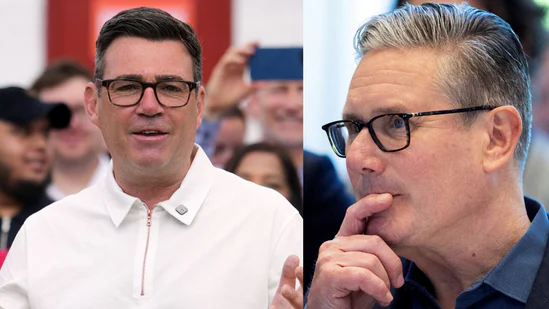
The pressure on Starmer intensified sharply after rival politician Andy Burnham won a parliamentary seat on Friday, giving him a pathway to launch a formal leadership challenge.
While Burnham stopped short of directly challenging the prime minister, his victory has fuelled speculation about a possible succession battle within Labour. The Observer reported that Starmer had concluded his position was becoming untenable after consulting cabinet ministers, advisers, donors and trade union leaders.
According to a Reuters tally, more than 100 Labour lawmakers – roughly a quarter of the party’s MPs in the House of Commons – have publicly called on Starmer to resign or set out a timetable for his departure.
What led Starmer to consider resignation
Starmer’s troubles have been building for months as a series of controversies and policy u-turns damaged his standing with voters and members of his own party.
Last year, his government reversed course on three major policies within a month following internal party pressure, raising concerns about its direction and stability.
Earlier this year, further questions emerged after it was revealed that Lord Mandelson had been appointed British ambassador to the United States despite reportedly failing vetting procedures for the role.
The appointment drew additional scrutiny because of concerns surrounding Mandelson’s links to convicted sex offender Jeffrey Epstein, adding to criticism of Starmer’s judgement.
The controversies contributed to a difficult set of local elections for Labour in May.
Election setbacks deepen unrest
Labour’s losses in the local polls coincided with a surge in support for Nigel Farage’s Reform UK, which has emerged as a growing challenge to Britain’s traditional political parties. The left-wing Green Party also made gains.
As frustration within Labour mounted, MP Catherine West declared in mid-May that she would challenge Starmer for the leadership if another candidate failed to do so, a BBC report added. Although she later backed away from that position, calls for the prime minister’s resignation continued to grow.
The pressure escalated further when key cabinet figures, including health secretary Wes Streeting and other junior health ministers, resigned from their positions in an effort to force a leadership contest, according to Al Jazeera.
Burnham emerges as frontrunner
Many within Labour view Andy Burnham as the most likely successor should Starmer resign or be removed.
The 56-year-old has spent years building influence within the party as mayor of Greater Manchester and strengthened his position by comfortably defeating a challenge linked to Farage’s movement in Friday’s parliamentary election.
In his victory speech, Burnham promised a new direction for the country, though he stopped short of launching a formal bid for the leadership, reported Reuters.
If Starmer resigns or is forced out, Britain would install its seventh prime minister in just over a decade — the highest turnover of national leaders in nearly 200 years.