
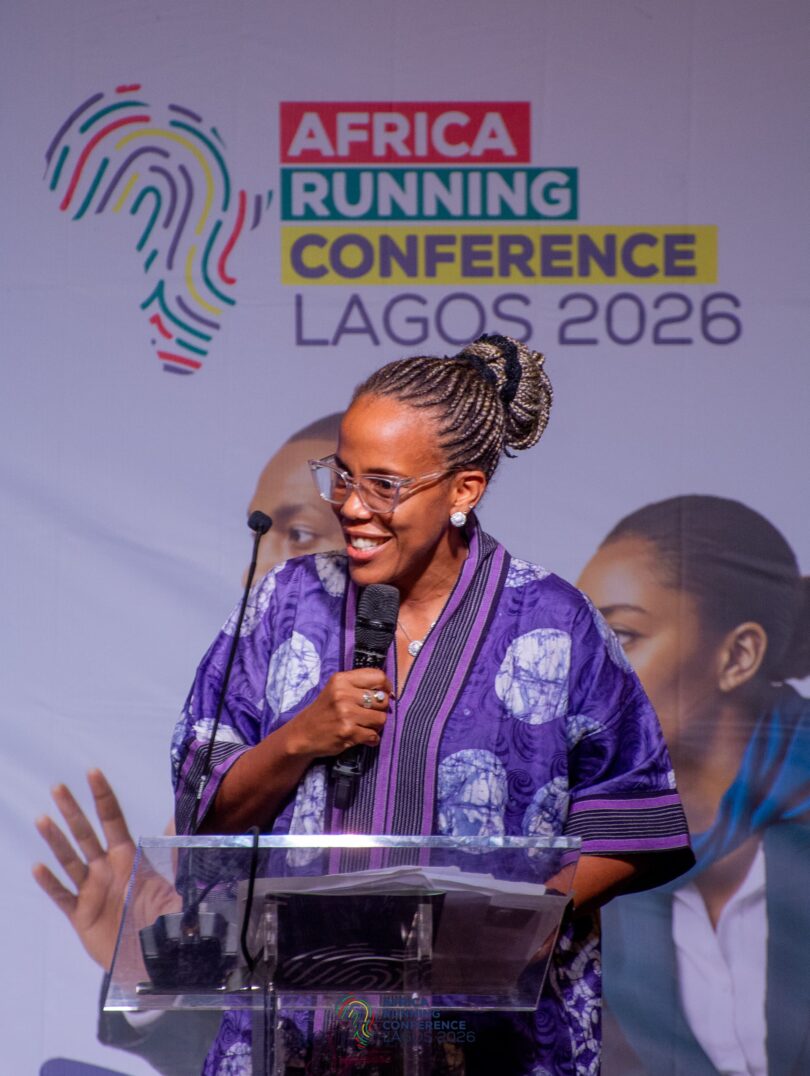
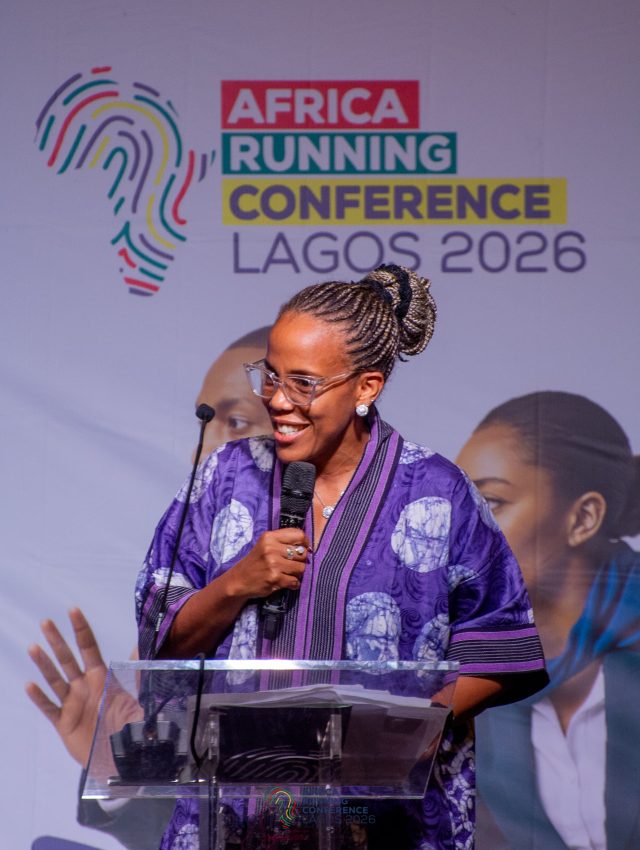
The 2nd Vice President of the Athletics Federation of Nigeria (AFN), Aku Aghazu, says home-based athletes have become the driving force behind the remarkable revival of Nigerian athletics, following a string of impressive performances on the continental and global stage over the past 12 months.
According to Aghazu, the recent achievements recorded by Team Nigeria validate the federation’s deliberate commitment to talent identification and athlete development within the country.
Nigeria’s athletics ecosystem has witnessed significant progress in recent months, with locally based athletes playing central roles in restoring the nation’s status as one of Africa’s leading athletics powers.
Their performances at major regional and international competitions have highlighted the growing depth of talent being nurtured at home and the effectiveness of ongoing investment in grassroots and elite athlete development.
One of the major turning points in Nigeria’s resurgence came during the qualification campaign for the World Athletics Relays Championships in Gaborone, Botswana.
With the support of the National Sports Commission (NSC), the Athletics Federation of Nigeria implemented an extensive competition and preparation programme aimed at returning Nigeria to the forefront of global relay competition.
The initiative allowed athletes to participate in three major national and international events ahead of the World Relays.
The investment paid off as Team Nigeria secured qualification in six relay events for the World Athletics Relays Championships, underlining the country’s growing strength in relay racing.
Nigeria’s relay teams continued their impressive run in Botswana, where their performances secured three relay qualification slots for the 2027 World Athletics Championships in China.
READ ALSO: ‘The Pain Hits Harder Now’ — Lawal Urges Patience With Eric Chelle as Nigeria’s World Cup Absence Continues to Hurt
The country also made history through the mixed relay team, becoming the first African nation to qualify for the Mixed 4x100m Relay event at the inaugural World Athletics Ultimate Championship scheduled for Budapest, Hungary, in September.
Before the World Relays, a largely home-based Nigerian team had already impressed at the Solidarity Games in Saudi Arabia, where the athletes displayed resilience, quality and determination while gaining valuable international experience.
The same trend continued at the CAA Senior Athletics Championships in Accra, Ghana, where home-grown athletes formed the backbone of Team Nigeria and delivered commendable performances on the continental stage.
Aghazu said the federation remains committed to ensuring that athletes training within Nigeria are given adequate opportunities to develop and compete.
“The true strength of any athletics system is not measured by its stars or elites abroad but by the opportunities made available to athletes training in Nigeria,” Aghazu said.
“Home-based athletes represent the foundation of Nigeria’s athletics future and their development remains a strategic priority for this current board of the AFN.”
She disclosed that the federation has already commenced programmes designed to keep home-based athletes active throughout the year through competitions, training camps and performance monitoring, while exceptional talents are being selected for intensive development and closed camping programmes.
The AFN also acknowledged the support of the National Sports Commission during the recent training camp in Asaba, noting that the impact was evident in Nigeria’s performances at both the World Relays in Botswana and the African Championships in Ghana.
Despite financial challenges, Aghazu insisted that the federation remains determined to create more opportunities for athletes based in Nigeria.
“From improved competition structures, to enhanced athlete support, stronger partnerships with schools and stakeholders for talent identification and development, as well as capacity building for coaches and officials, the AFN is committed to ensuring that our home-based athletes are given similar opportunities as their counterparts abroad,” she stated.
She also praised the leadership of the National Sports Commission for its continued backing of athletics development in the country.
“The National Sports Commission under the leadership of Mallam Shehu Dikko and Hon. Bukola Olopade remains a trusted and welcome partner,” Aghazu added.
One of the major infrastructure projects currently underway, according to Aghazu, is the refurbishment of the athletics facility in Shagamu, Ogun State.
“Under the NSC, Nigeria is getting a fully refurbished athletics stadium in Shagamu near Babcock University.
The university is also supporting our athletes through scholarships and developmental opportunities. The NSC has equally assisted greatly in ensuring that our home-based athletes gain more exposure to international competitions,” she said.
Aghazu further revealed that, for the first time in several years, prize money will be introduced at the National Trials specifically for home-based athletes and outstanding coaches as part of efforts to reward excellence and encourage performance.
At the centre of the AFN’s renewed strategy is a sustained focus on talent discovery and athlete development across track and field events.
Among the athletes benefiting from the initiative are Chidera Ezeakor, Tejiri Godwin, Miracle Ezechukwu, Maria Thompson, Rosemary Nwankwo, Nathaniel Samson, Sikiru Adeyemi, Asuquo Ezekiel, Esther Okon, Gafari Badmus and Toheebat Jimoh.
“We selected these athletes and exposed them to modern track and field training methods. The results have been excellent.
The federation is working hard to improve the process and keep our athletes busy through regular competitions and camping. It is a new beginning for the AFN and it requires support, including corporate sponsorships and strategic partnerships,” Aghazu said.
The rise of young Nigerian athletes has also begun attracting international attention, with leading universities in the United States and top athletics clubs increasingly offering scholarships and professional opportunities to promising talents from Nigeria.
To ensure that such opportunities align with Nigeria’s long-term development plans, the AFN’s Performance Director and Technical Committee have continued to monitor athlete development pathways while guiding athletes on maximising opportunities abroad.
The federation also credited the renewed support from the National Sports Commission for helping to improve programme implementation through timely funding, athlete grants and enhanced institutional backing.
For the first time in more than a decade, the NSC and AFN have also reintroduced structured periodic camping programmes for elite home-based athletes, creating a conducive environment for training, performance monitoring and preparation for major international competitions.
The impact of these initiatives is already visible through relay qualification successes, World Championship berths, continental medals and historic milestones achieved by Nigerian athletes.
Aghazu believes the future of Nigerian athletics will ultimately depend on how effectively the country develops talent locally.
“The future of Nigerian athletics will not rely solely on international training camps. It will be built on the tracks, fields, schools and communities across Nigeria, from Anambra to Lagos, Kaduna to Akwa Ibom, Ogun to Edo, where talented young athletes are given the opportunity to dream, develop and succeed,” she said.
“While challenges remain, progress should be seen as a continuous marathon journey rather than a destination.
The AFN, with the support of the NSC, is already making significant progress towards building sustainable home-grown success.”
With an expanding pool of talented athletes, improved funding mechanisms, stronger technical support systems and clearly defined development pathways, Nigerian athletics appears to be entering a promising new era.
The achievements recorded over the past year provide strong evidence that the country’s next generation of athletics stars is not only emerging but already making a significant impact on the global stage.