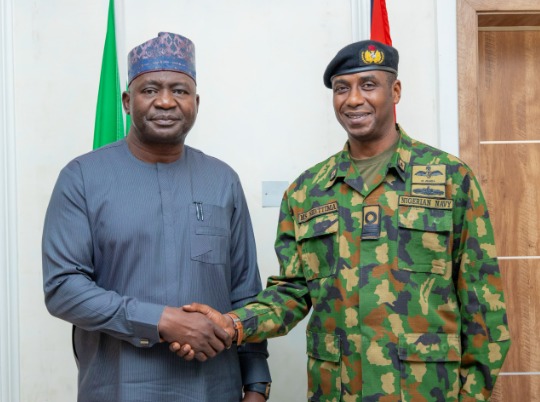
President of the Nigeria Shooting Federation, Mohammed Shettima, has emphasized the importance of sustained military involvement in the development of shooting sports in Nigeria.
Speaking on the future of the sport, Shettima stressed that closer collaboration between the federation and the Armed Forces would help improve technical standards, athlete development, and Nigeria’s medal prospects internationally.
Read Also: Dikko Beams With Delight, As NSC Receives Approval For Renovation Of Abuja Stadium, Other Structures | Sports247 Nigeria
“The military remains very important to shooting sports development,” Shettima said.
According to the federation president, improving training facilities across the country is also necessary for the growth of the sport.
“We need better training infrastructure and support systems,” he implied.
Shettima further called for the inclusion of retired military professionals as coaches and technical officials within the sport.
“The experience of retired professionals can help the next generation greatly,” he noted.
The sports administrator reaffirmed the federation’s commitment to strengthening relationships with military institutions and other sports bodies nationwide.
“We are committed to stronger collaboration moving forward,” he added.
Shettima believes deeper partnerships with the Armed Forces could also create valuable post-service opportunities for retired personnel within sports administration and coaching.
“This partnership can benefit both sports and retired officers,” he stressed.
Nigeria continues seeking ways to improve performances across multiple Olympic and international sports.
“Investment and structure remain key to long-term success,” many sports observers believe.
The Nigeria Shooting Federation remains optimistic that stronger institutional support can help the country compete more effectively internationally.
“The potential is there if the right structures are built,” Shettima concluded.
For the federation president, the message is clear.
Military involvement remains crucial.
Training facilities must improve.
And stronger collaboration can help Nigeria produce better results internationally.