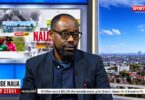

Former Super Eagles defender Chikelue Iloenyosi has called for an end to divisions among Nigeria’s players’ unions, revealing that the existence of different factions became a major talking point during recent discussions with FIFA over reforms in Nigerian football.
Iloenyosi was part of the professional players’ delegation that met officials from FIFA and CAF during their assessment mission in Abuja, alongside former Nigeria international Tijani Babangida and players’ union figure Harrison Jalla.
Read Also: “Fix Nigerian Football Now” — Gaiya Rejects Witch-Hunt Claims, Pushes for NFF Laws to Be Opened Up | Sports247 Nigeria
According to Iloenyosi, the different groups claiming to represent Nigerian footballers surprised the visiting delegation and reinforced the need for former and current players to build a united platform.
“We must come together as players. We cannot continue to have different factions when we are supposed to be speaking with one voice,” Iloenyosi said.
He revealed that the FIFA representatives encouraged the different interests within the players’ constituency to resolve their differences and work collectively if they want to contribute effectively to the development and reform of Nigerian football.
The issue is not new. Nigerian players’ organisations have made several attempts at reconciliation over the years, but disagreements over representation have persisted. Nigeria also remains outside FIFPRO Africa’s full member-union structure.
However, there have been signs of movement during the latest reform discussions.
Following the FIFA/CAF meetings, representatives of the players, coaches and referees were reported to have agreed on a common reform position calling for broader representation and voting rights within the NFF Congress, board and standing committees.
For Iloenyosi, achieving those objectives requires footballers themselves to first resolve their internal divisions.
“Unity is very important,” he stressed. “If we are united, we can contribute better to the development of Nigerian football.”
His message is that Nigerian players cannot demand a stronger voice at football’s decision-making table while speaking through competing voices of their own.