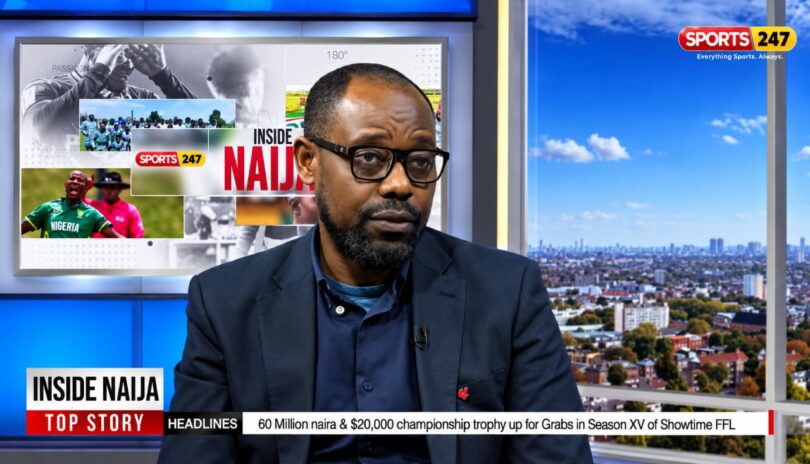
LALIGA Country Manager for Nigeria and Ghana, Desmond Chiji has explained why the Spanish league is intensifying its battle against illegal football streaming, insisting that protecting broadcast content is crucial to safeguarding the wider football industry.
Speaking on Inside Naija, Chiji highlighted LALIGA’s new strategic anti-piracy partnership with CANAL+, which will see both organisations combine technology, intelligence and enforcement capabilities against illegal distribution networks.
Read Also: “We Want the Players to Go to School” — LALIGA’s Desmond Chiji Pushes Education Alongside Nigeria’s Football Dream | Sports247 Nigeria
“Content is everything and we are trying to protect the content that we are putting out there,” Chiji said.
According to him, considerable financial and human resources go into producing football broadcasts, meaning piracy affects far more than the organisations owning television rights.
Chiji stressed that broadcasters, clubs, content creators and other professionals involved behind the scenes should benefit from the legitimate distribution of their work.
The partnership, announced on September 11, covers nearly 50 countries across Europe, Sub-Saharan Africa and Haiti. LALIGA and CANAL+ will share intelligence, coordinate enforcement strategies and accelerate action against illegal distribution networks operating across multiple territories.
For Chiji, the objective is to discourage unauthorised distribution while directing viewers towards legitimate channels where the necessary broadcast rights have been obtained.
LALIGA and CANAL+ say piracy threatens the financial ecosystem supporting professional and grassroots football. According to their joint announcement, revenue generated from legitimate broadcasts contributes to areas including clubs, youth academies and audiovisual production.
The organisations have also warned that illegal streaming services can expose supporters to risks including malware, fraud and personal-data theft.
For Chiji, therefore, the crackdown goes beyond stopping people from watching football illegally.
Protecting the content, he believes, also means protecting the investment, jobs and football-development structures that make producing the spectacle possible in the first place.