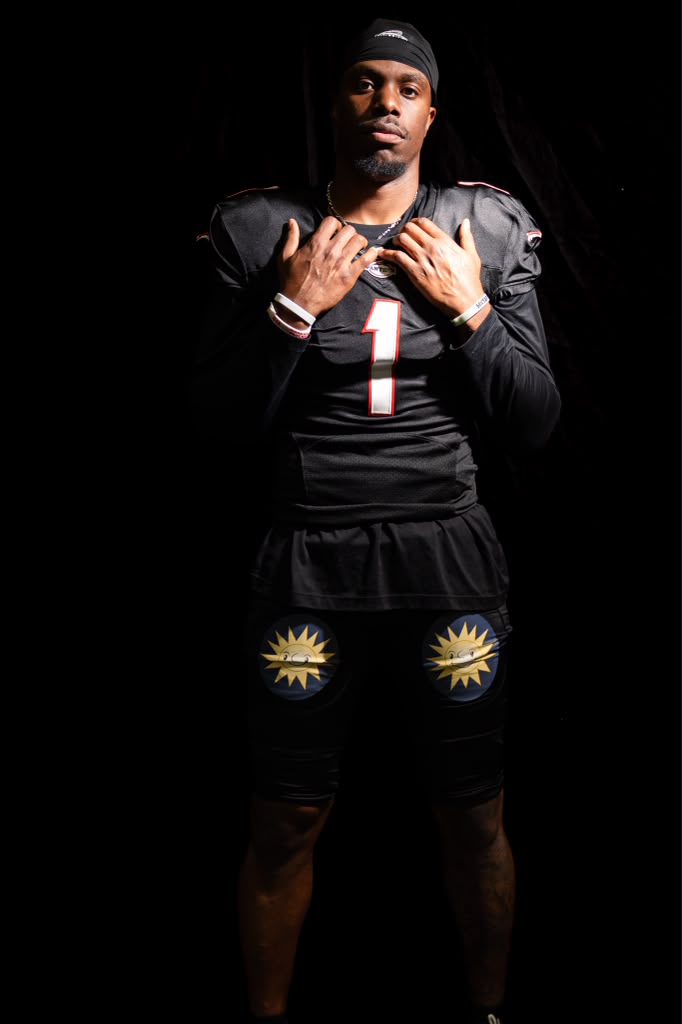
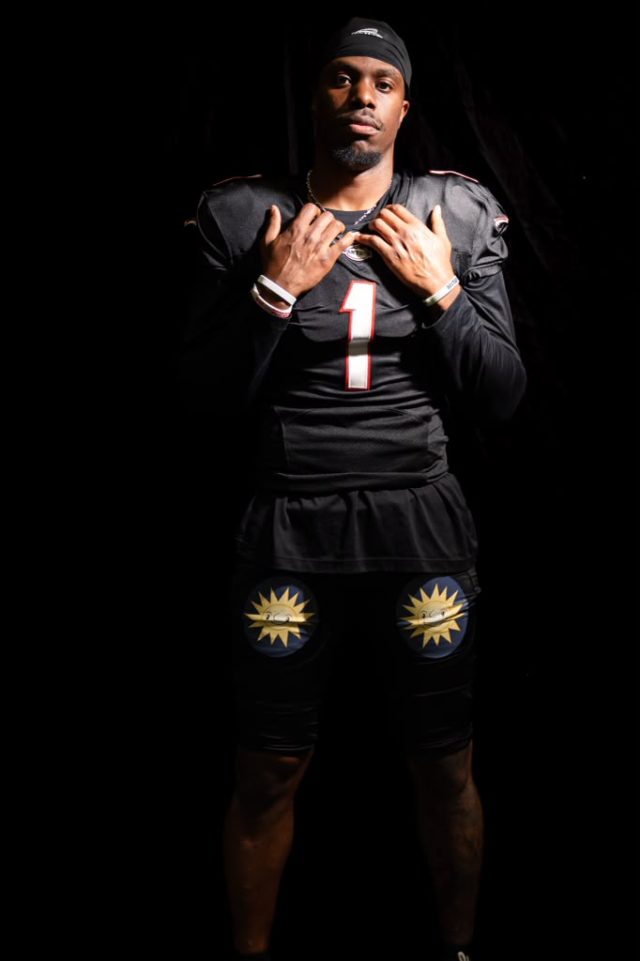
Nigeria’s shock withdrawal from the IFAF Flag Football World Championships Düsseldorf 2026 has triggered fresh questions over the handling of the national teams, with Nigerian professional athlete James Agwu Okike calling for accountability, a detailed explanation and an apology from the leadership of the Nigeria Federation of American Football (NFAF).
Okike, who plays for Düsseldorf Panther and was already in the tournament city, said the situation could have been handled differently and argued that Nigerian athletes around the world should have been given an opportunity to contribute when it became clear that the original travelling delegation was facing difficulties.
Read Also: VISA CRISIS SHOCK: Nigeria Withdraws Men’s and Women’s Flag Football Teams From IFAF World Championship | Sports247 Nigeria
His comments come after IFAF, the National Sports Commission (NSC) and NFAF jointly confirmed that Nigeria’s men’s and women’s national teams had been withdrawn from the Düsseldorf championships because the travelling delegation was unable to secure the necessary visas in time.
For Okike, however, the visa problem is only part of the story.
“I think the Nigerian Federation could have handled the flag football situation a lot better.”
He questioned why the federation did not communicate more openly with Nigerian athletes already competing at a high level internationally.
“They should have opened up tryouts or at least communicated with other Nigerian athletes around the world, especially players like myself and others who have already played at a high competitive level.”
‘The Biggest Issue Was the Lack of Communication’
Okike said the absence of clear communication left athletes outside the official process unable to offer assistance, even as the deadline for Nigeria’s participation drew closer.
“The biggest issue for me was the lack of communication. Nobody really knew the full situation until the last second, and by that point, there wasn’t much anyone could do.”
The Düsseldorf-based athlete said the situation was particularly frustrating because Nigerian players were already in Germany and potentially available to represent their country.
“There were Nigerian players, including myself, already involved in the tournament area here in Düsseldorf who would have been available, and there are Nigerian athletes all over the world who would have been willing to help represent Nigeria.”
According to Okike, the global Nigerian sporting community contains players with the experience and athletic ability required to contribute to the national programme.
“There are players with the experience, athletic ability, and competitive background to put together a team that could have competed.”
‘We Were Closed Out of the Process’
Okike believes the biggest missed opportunity was the failure to create a channel through which Nigerian athletes outside the official setup could contribute ideas or assistance.
“I just feel like we were closed out of the process because nobody really gave us any information or an opportunity to help.”
He said the motivation among many of those athletes was not personal ambition, but a desire to see Nigeria compete.
“At the end of the day, we were all just trying to find a way to help our country compete, especially with the bigger goal of potentially qualifying for the LA Olympics.”
That point is particularly significant because the Düsseldorf championship was part of the qualification pathway towards Los Angeles 2028, although Nigeria’s Olympic route remains open through the 2027 IFAF Continental Championships.
Call for Accountability
The former national team aspirant’s comments are likely to intensify calls for the federation to provide a fuller account of what happened between Nigeria’s qualification for the World Championships and the eventual withdrawal.
The joint statement issued by IFAF, the NSC and NFAF confirmed that efforts had been made over the preceding 10 days to explore options for getting the Nigerian delegation to Germany, but ultimately the visas were not going to be issued in time.
However, Okike believes that simply announcing the withdrawal is not enough.
He argues that the leadership of the federation, particularly its President Babajide Akeredolu, should take responsibility for explaining how the situation reached a point where Nigeria’s men’s and women’s African championship teams could no longer travel.
Akeredolu’s leadership now faces growing calls for a detailed explanation of the circumstances surrounding the withdrawal, the steps taken to prevent it, the communication with affected athletes and whether alternative solutions were adequately explored.
For Okike, accountability should go beyond an explanation.
There should also be an apology to the athletes who spent months preparing for what was supposed to be a historic first appearance at the IFAF World Flag Football Championships.
‘You Don’t Have to Reinvent the Wheel’
Looking ahead, Okike believes NFAF should build a more inclusive system that takes advantage of the enormous pool of Nigerian sporting talent spread across the world.
“Going forward, the Federation should be more open to getting input and support from Nigerian athletes who have already played flag football or American football at a high level.”
He acknowledged that American football and flag football are different disciplines, but argued that experience across both should not be ignored.
“Yes, American football is different, but help is help. There is a lot of talent and experience within the Nigerian community globally.”
His message to the federation is simple:
“Sometimes you don’t have to reinvent the wheel. You just have to open the door and let the people who are willing to help actually help.”
Nigeria’s withdrawal has now transformed what should have been a landmark moment for the country’s flag football programme into a debate over planning, communication and accountability.
The players who earned Nigeria’s place in Düsseldorf will not get the opportunity they worked for. For many stakeholders, the immediate question is no longer simply why Nigeria withdrew, but what went wrong, when did the warning signs emerge, who was responsible for responding, and what will be done to ensure such a failure does not happen again?
And before the country begins its next Olympic qualification campaign, many will be looking to the NFAF leadership for answers, accountability and an apology to the athletes who were denied their historic World Championship debut.