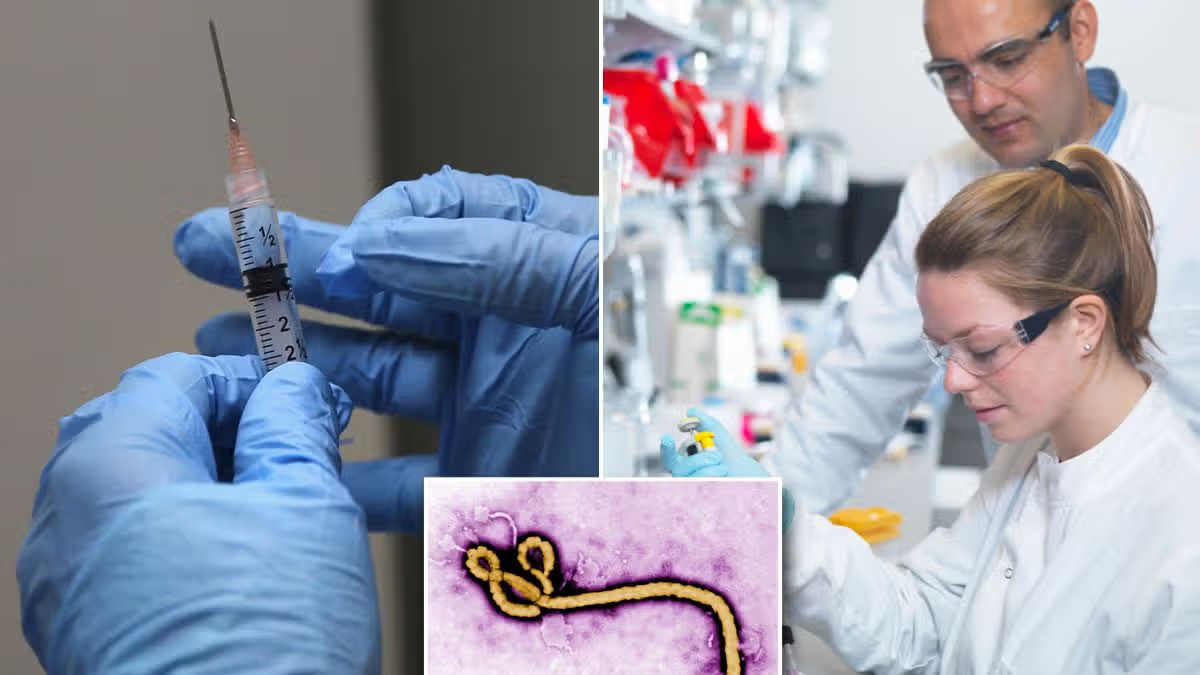
Oxford University scientists have rapidly created and launched a UK trial of Ebola jab using same technology as its AstraZeneca vaccine against Covid-19
British scientists are launching a trial of the first vaccine able to tackle a devastating Ebola outbreak in Africa.
A team at Oxford University is making the jab using the same technology as its Covid-19 vaccine manufactured with AstraZeneca, which is estimated to have saved six million people around the globe. The UK regulator has approved an initial safety trial of the vaccine on British volunteers before it is tested on people in Africa.
The Oxford team created the vaccine in just eight weeks after a public health emergency was declared in the Democratic Republic of the Congo. There Ebola has been confirmed as killing 625 people while 1,792 infections have been confirmed in lab tests.
Traditionally vaccines would take up to a decade to research, develop and prove effective. The jab, called ChAdOx1 BDBV, is the first out of four under development to enter clinical trials.
Professor Teresa Lambe, the study’s lead scientific investigator, said: “The ongoing Bundibugyo ebolavirus outbreak continues to devastate affected communities, underlining the urgent need for effective vaccines and treatments.
“This milestone comes after only 57 days since the World Health Organisation declared the outbreak a public health emergency of international concern.”
How it works
The Oxford vaccine technology uses a common cold virus that infects chimpanzees that has been genetically modified to make it inactive.
This is used to transport some genetic code of the Bundibugyo species into the body so that the immune system will recognise and fight off the real virus if it comes into contact with it.
The six different species of Ebola require separate treatments and vaccines and there are no approved drugs or vaccines for the current outbreak caused by the Bundibugyo species. Some 620,000 doses of the new vaccine have been stockpiled after being manufactured at the Serum Institute of India.
Vaccine researcher Alex Sampson told the BBC : “As soon as we heard there was an outbreak, we were able to scale up really, really quickly.
“We’re doing all the same tests that we would normally do, just we’re able to do them in parallel, so it means a lot of teams working in lots of different places around the clock.”
The vaccine has been tested on mice and macaque monkeys. Based on that data, the UK’s Medicines and Healthcare Products Regulatory Agency has given the go-ahead for human trials. The first trial will assess its safety and immune response in 50 healthy adults in the UK aged 18 to 55.
Volunteers will be monitored for a year, but scientists expect to know quickly whether the jab could provide people with good protection. Scientists are also preparing for a second trial of the vaccine in Uganda.
Dr Nicole Lurie, executive director of preparedness and response at the Coalition for Epidemic Preparedness Innovations (Cepi), said: “The deadly Bundibugyo epidemic is already the third-largest Ebola outbreak on record, and infection numbers are continuing to rise.
“The University of Oxford’s work to progress their Bundibugyo vaccine candidate ready to enter Phase I trials in a matter of weeks is a pivotal milestone in the response effort.
“Every step that brings a safe and effective vaccine closer helps strengthen our ability to protect vulnerable communities, save lives and bring this outbreak under control.”
Hundreds of millions of doses were administered of the Oxford/AstraZeneca vaccine against Covid-19 and was credited with halting the pandemic and ensuring health systems were not overwhelmed.
However it was later superseded by better vaccines after it emerged it could trigger rare blood clots which affected up to one in 100,000 people. Experts admit their new Ebola vaccine could carry the same small risk.
Dr Katrina Pollock, the chief investigator of the trial based at the University of Oxford, told the BBC that her team thought “very deeply” about the implications for trials on healthy people.
Dr Pollock insisted that any risk would be communicated to volunteers, adding: “I want to stress that the Covid AstraZeneca vaccine was given to millions of people safely.”