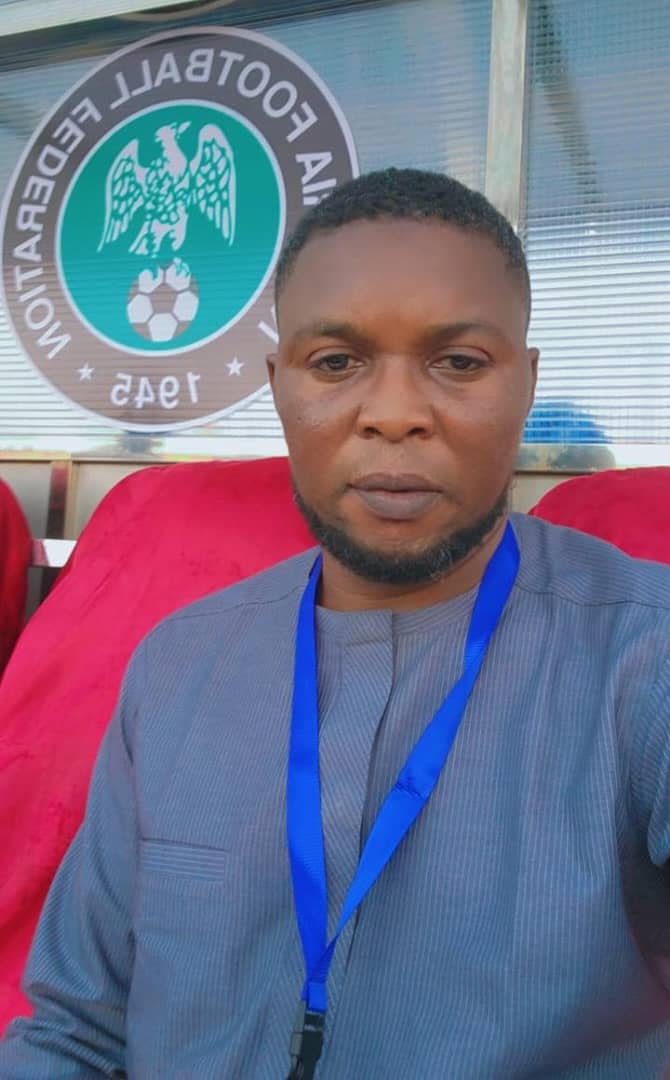
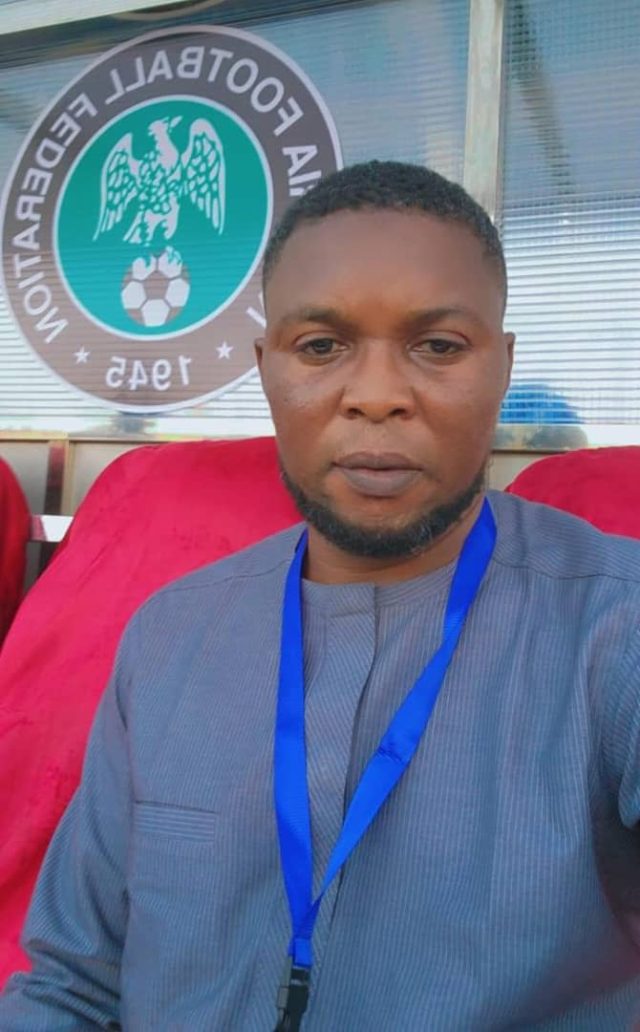
Nigerian sports branding and marketing expert Tomiwa Lawal has maintained that sponsorship remains the most effective solution to the financial struggles facing football clubs in the country, insisting that strategic partnerships can eliminate up to 80 per cent of the operational challenges confronting privately owned teams.
READ ALSO: ‘Our League Can Be Much Better’ — Sadiq Umar Calls For Urgent NPFL Reforms
As another football season comes to an end, conversations around the financial sustainability of Nigerian football clubs have intensified, with stakeholders offering differing perspectives on the role sponsorship should play in the growth of the domestic game.
Sports247 reports that a growing school of thought within the sports business industry argues that sponsorship should not be seen as the starting point for financial stability.
Proponents of this view believe clubs and academies must first build strong brands, develop sustainable business models, and create commercially attractive products before expecting significant investment from corporate organisations.
However, Lawal believes sponsorship remains a game-changer for clubs battling rising operational costs.
“Sponsorship will eradicate 80 per cent of the financial burdens of most privately owned clubs in Nigeria,” he stated.
He cited newly promoted Nigeria Premier Football League side Ranchers Bees as a practical example, noting that the club’s partnership with AA RANO Oil has already addressed one of the major challenges encountered by teams across the country.
“Look at Ranchers Bees that just signed a deal with AA RANO Oil. The issue of having no fuel to travel for away games is over,” Lawal said.
According to him, sponsorship should not be viewed solely from the perspective of multi-million naira investments, stressing that even modest partnerships can significantly reduce a club’s expenses.
“Even if it’s just to have a water company logo at the back of your shorts and that company provides bottled water for the club, that is also part of sponsorship instead of relying solely on the purse of the owner,” he explained.
Lawal further revealed the extent of the financial difficulties confronting some clubs, disclosing that a team preparing for the Nigeria National League playoffs was still struggling to secure funds for its trip.
“I know a particular club that is travelling for the playoffs tomorrow and the team is still stranded for funds because the governor, who is their sponsor, is not interested in sports,” he added.
The debate once again highlights the urgent need for Nigerian clubs to combine sustainable commercial structures with strategic sponsorship partnerships in their pursuit of long-term financial stability and growth.