Taiwan Travelogue has made International Booker history. Author Yáng Shuāng-zǐ and translator Lin King discuss using the English language as a powerful tool to counter colonialism.
Translated fiction has been steadily on the rise over the last decade, bolstered by independent publishers willing to take a risk on the niche and avante garde stories. Publishers like Fitzcarraldo and And Other Stories have become mainstays of huge literary prizes – from the Nobel Prize for Literature to the International Booker Prize.
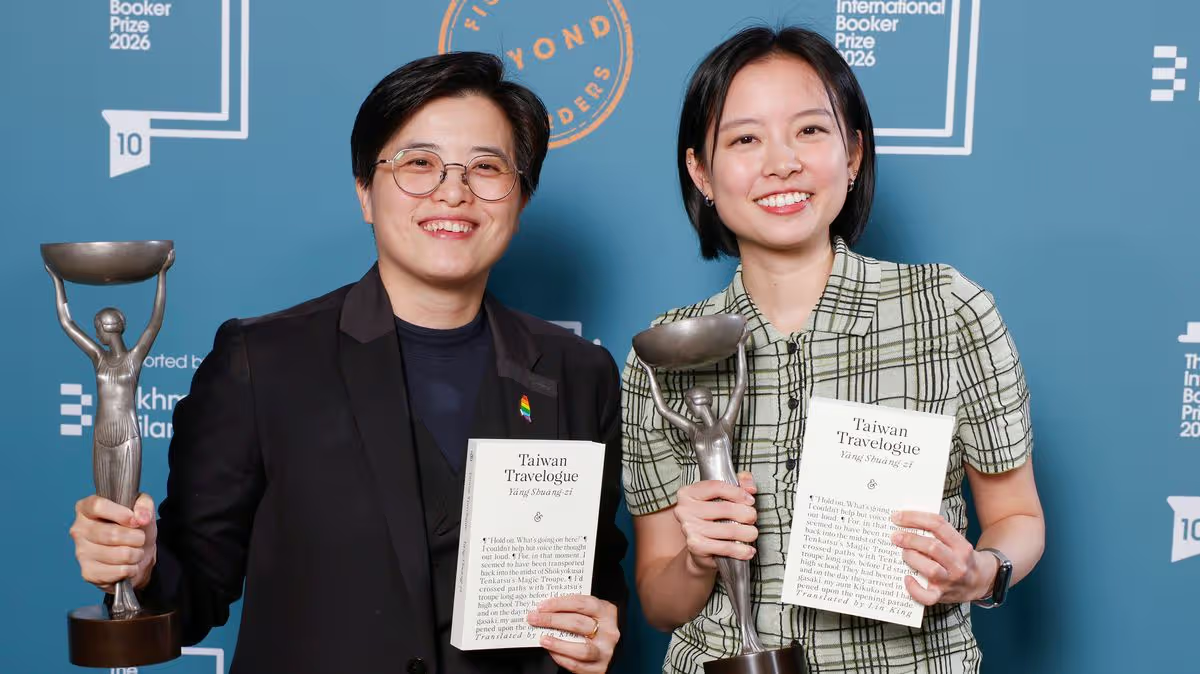
Celebrating a decade of the International Booker Prize, it seems fitting to crown an author and a translator whose work is history-making. In a ceremony, held on May 19 in the Tate Modern’s Turbine Hall, Taiwan Travelogue by Yáng Shuāng-zǐ, translated from Mandarin Chinese by Lin King, was named the 2026 recipients of prize.
The triumph marks a significant milestone for the prestigious literary award, as Yáng and King are the first Taiwanese and Taiwanese-American winners in its history. Taiwan Travelogue is also the first winning book to have been translated from Mandarin Chinese. Celebrating the vital work of translation, the £50,000 prize money will be divided equally between the author and the translator, both of whom received a trophy at the London ceremony.
This win marks the second year running for a publication from And Other Stories taking home the biggest prize in translated fiction – as they won in 2025 with Heart Lamp by Banu Mushtaq, translated by Deepa Bhasthi.
Fresh off of their historic win, Yáng and Lin spoke to Dr. Aimée Walsh, The Mirror’s resident book critic, about Taiwan Travelogue. Praising the prize, chair of the judging panel and award-winning author Natasha Brown described it as “a love letter to translation” that “pulls off an incredible double feat: it succeeds as both a romance and an incisive postcolonial novel.”
READ MORE: Malala Yousafzai and Gisèle Pelicot lead star-packed Hay Festival 2026 line-upREAD MORE: Greatest novel of all time named – and it’s not Pride and Prejudice or War and Peace
Yáng celebrates translator Lin by saying: “I honestly had nothing to do with us winning with this book. It’s not about me”. She added that she could not have won the International Booker Prize “without Lin translating the book”.
Set in 1930s Taiwan, the Taiwan Travelogue is told through the perspective of Aoyama, a Japanese writer – that is to say, the coloniser – who has a “monstrous appetite”. She comes to the island to write, but ends up becoming infatuated with her translator, who she gives the pet name Chi-chan.
Through the medium of Chi-chan, Aoyama observes the Taiwanese people and their foods. She does all this with an air of superiority, excitedly trying meals that locals eat and marvelling at the benefits of the Japanese Empire in modernising the island. Needless to say, that does not sit well with the local people, who view this as a coloniser saviour complex.
It was really important, Yáng told The Mirror, for the main character to be a woman who views herself as a “friendly coloniser”. She added: “The protagonist [has] this obvious blind spot… treating those who are being colonised in an amicable sense.” However, Yang adds that the response of the Islanders to this outsider is crucial, as they view her with condescension, without her knowledge.
It is through Aoyama’s eyes that Taiwan’s relationship first to Japanese colonialism and then to China are shown with such sharp brilliance. There’s a striking moment when a Government official Mishima challenges Aoyama’s praise of the Empire — particularly the idea that colonialism can be justified through infrastructure, development, or modernisation.
He challenges her: “The way in which you talk about the Island’s flavours does not sound to me like you are appreciating them for being delicious, but more for being exotic… but then to claim your personal preferences are proof of some greater trend in the relationship between the Empire and the Island seems… a sign of intellectual arrogance.”
It is an astounding moment of the colonised speaking back to the coloniser for their “intellectual arrogance”, by pushing away forced historical narratives of bringing civil society to a colony. But in reality, speaking out against regimes was a matter of life and death. Liberty would be curtailed for criticism of the ruling order.
Want to hear the latest books news and reviews from The Mirror’s resident bookworm? Follow Aimée Walsh on Tiktok and Instagram
Yáng explained: “In the current political climate, we’re not being circumvented or censored. However, in the past 38 years, Taiwan was under martial law and therefore a lot of our parents or people before us have been careful not to touch on certain topics.
“And then we represent a new generation that has the liberty to express ourselves fully and write about and touch on the topics that people in the past would not dare.
“After the Japanese regime left Taiwan, we were colonized by the ROC [Republic of China] regime. The ruling party has always been somebody else. We’ve always been colonised.
“We also have PRC [People’s Republic of China] lurking in the background trying to invade Taiwan and therefore what Taiwanese have been facing is a really complicated political reality and it’s closely knitted and tied to our culture of being colonised.”
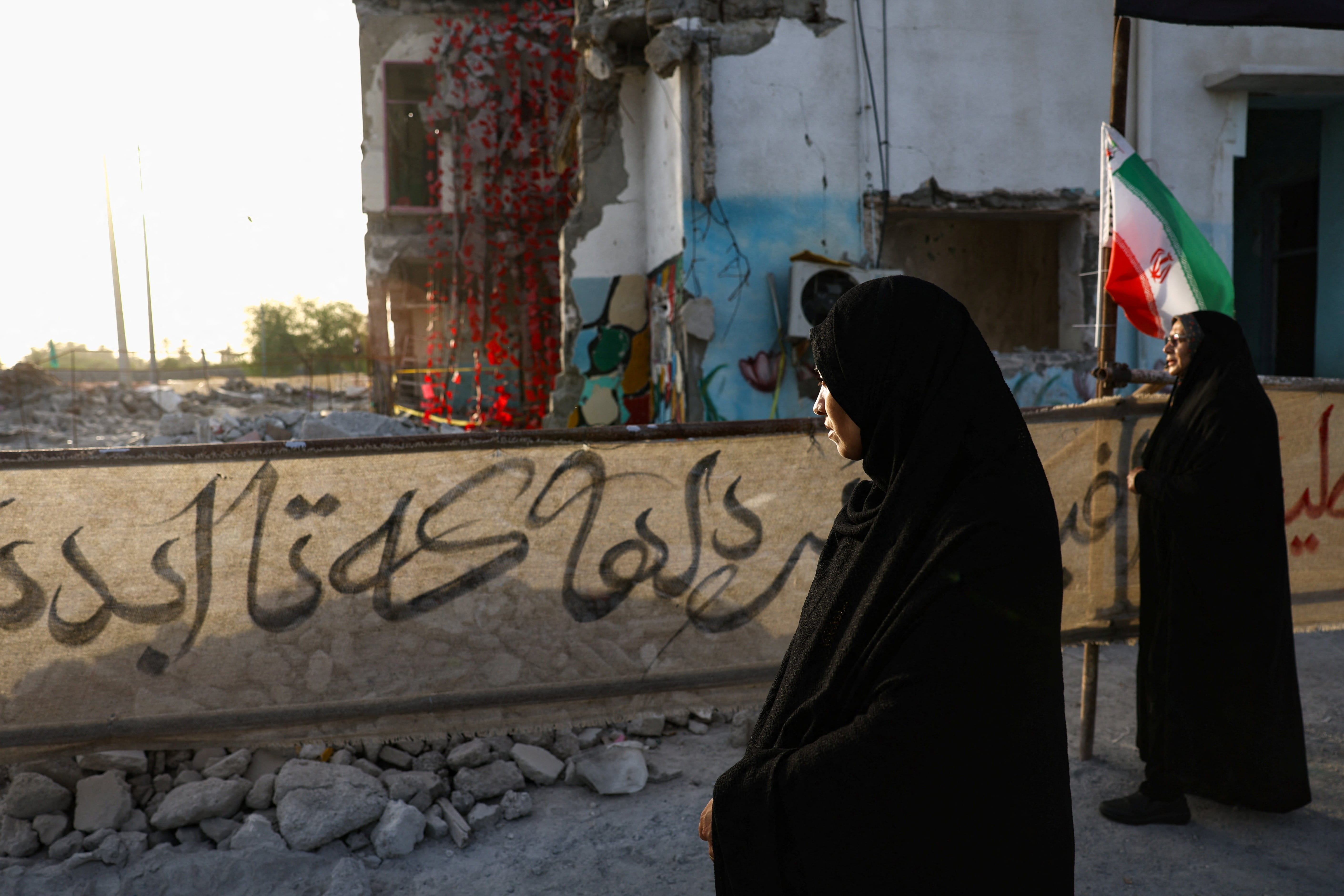
Taiwan Travelogue was originally written in Mandarin Chinese and published in Taiwan, but is not available to buy in China. Any text that recognizes Taiwan’s individuality as anything separate from the People’s Republic of China, or declares its own history, is considered not politically acceptable,” Lin said.
Great literature finds a way, by word of mouth and networks to find its readers. Lin said: “It has been heartening touring abroad to see people from the PRC [People’s Republic of China] coming up to us and having heard about the story through its English edition and then managed to somehow to get their hands either via the internet or Mandarin bookstores overseas, to access this story far from East Asia.
“I think that’s been an encouraging workaround to be able to communicate these ideas but through reaching an English readership first and then helping the book and the story and the messages within it reach those who are born in or still live in the PRC.”
Taiwan, Lin said, is a “linguistic hodge podge,” where translation is the fabric of every-day life. “It’s the freedom of expression,” that exists in modern Taiwan that “allows for people to write in all sorts of different languages to criticize each other, criticize themselves and hopefully preserve all these languages.”
Lin added: “[For fiction in translation], you’re forced to acknowledge that terms are foreign, concepts are foreign, you’re obliged to explain these ideas to the reader rather than leaving the burden of interpretation on the reader. You’re taking that onus away from the reader, but what you ask of them in return is their attention and their willingness to learn through this text.
“I’m sure writers in many other places would love to be translated into English not because it would assimilate them into any sort of imperial power but because as the current lingua franca it means that your stories can reach so many other places.”
Translated works, and prizes like the International Booker that celebrate them, are acts of resistance, against homogeny in literature. It is an act of broadening knowledge, instilling an expansive and curious mindset for readers.
Lin said: “The act of translation now into English is to empower the work, with reach that it wouldn’t have in its original language, using English now as a tool to counter what it has done in terms of colonialism.
“No story is too niche, too culturally or linguistically niche to be told to a wide audience.”
Love reading? Join Dr. Aimée Walsh and our community of fellow readers in the Mirror Book Club to dive deeper into the books everyone is talking about.