GIANNI INFANTINO, the boss of FIFA, calls football’s governing body the world’s purveyor of happiness. At this year’s World Cup in North America, that happiness will come at a price. The cheapest tickets for group-stage games averaged $200; those for the final went for at least $2,030. Our analysis suggests the World Cup will be the most expensive cultural event ever. But the high prices could backfire.
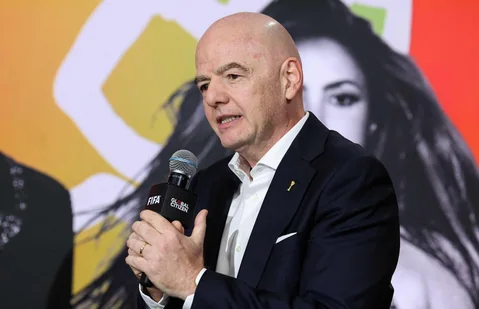
FIFA President Gianni Infantino speaks on stage for the 2026 World Cup halftime show announcement during the Global Citizen and FIFA World Cup panel at the Global Citizen NOW event in New York City on May 14, 2026.
World Cup tickets are usually priced well below what the market might bear. Throughout the tournament’s history demand has tended to outstrip supply. Rather than charge more, FIFA has kept prices at levels ordinary fans could afford and distributed seats through lotteries. Broadcasting and sponsorship rights mattered far more to the organisation’s finances than matchday receipts.
This year is different. For the first time FIFA has taken direct control of ticketing, rather than outsourcing to local organisers. It has embraced dynamic pricing, whereby prices rise in line with demand, and opened an official resale marketplace, from which it takes a 15% cut from both the buyer and the seller. Even after adjusting for inflation, World Cup tickets across America, Canada and Mexico cost more than twice as much as they did in Qatar in 2022 and roughly four times as much as when America last hosted the tournament in 1994.
Some tickets to the final have been relisted for $2m. Fans of Brazil, five-time world champions, would need to spend roughly $3,800 on the resale market to attend their side’s three group-stage matches—the most of any country. Even supporters of Cape Verde, making their World Cup debut, would need to fork out almost $1,000.
It all feels distinctly American. Fans of the other football pay at least $900 for Super Bowl tickets (and the vast majority go for more than $6,000). In Europe, by comparison, the cheapest adult ticket for this year’s Champions League final cost the equivalent of $200.
FIFA’s new pricing is a gamble. For one thing, tickets haven’t yet sold out, and hotels in host cities do not appear to have reached capacity. Resale prices for some games may drift downwards. But by the time tickets become cheaper, many ordinary fans may already have abandoned hopes of travelling, especially with air fares rising sharply amid an energy shock.Even if higher prices offset weaker sales, FIFA risks damaging the product itself—which could in turn hurt its more lucrative revenue streams. Full stadiums create the noise and tension that make matches compelling on screen. FIFA faced embarrassment last year during the Club World Cup, when spectators were reportedly moved towards television cameras at sparsely attended matches. Studies have shown that wealthier fans are quieter and less overtly passionate about their teams. Indeed, Joe Burrow, a quarterback for the Cincinnati Bengals, described the atmosphere at the Super Bowl in 2022 as akin to a corporate dinner party.
The rich increasingly prefer to spend their money on once-in-a-lifetime experiences rather than fancy goods. That ought to be good news for FIFA’s beancounters. And it is. Until, that is, the very experience that these punters crave is diminished by their own presence.