At least 80 deaths have been reported in the Democratic Republic of the Congo’s new Ebola disease outbreak in the eastern Ituri province, authorities said, as health workers raced to intensify screening and contact tracing to contain the disease.
Officials first announced the outbreak on Friday, with 65 deaths and 246 suspected cases.
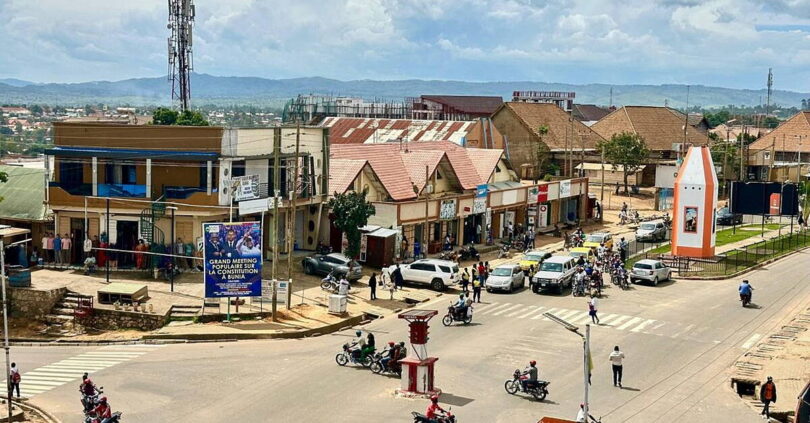
Meanwhile, journalists in Ituri’s capital, Bunia, interviewed local people who recounted their fears and constant burials.
“Every day, people are dying … and this has been going on for about a week. In a single day, we bury two, three, or even more people,” said Jean Marc Asimwe, a resident of Bunia.
“At this point, we don’t really know what kind of disease it is.”
Congolese health minister Samuel-Roger Kamba said late on Friday that there have been eight laboratory-confirmed cases, among them four deaths.
Test results confirmed the Bundibugyo virus, a variant of the disease that has been less prominent in Congo’s past outbreaks.
This is the country’s 17th outbreak since Ebola first emerged in the country in 1976.
Ebola is highly contagious and can be contracted through bodily fluids such as vomit, blood, or semen. The disease it causes is rare, but severe and often fatal.
The suspected index case in the latest outbreak is a nurse who died at a hospital in Bunia, Mr Kamba said, with the case dating back three weeks to April 24.
The #DRC has declared a new #Ebola outbreak in Ituri Province, with 13 cases so far confirmed to be caused by the Bundibugyo species. A total of 67 community deaths suspected to be due to Ebola Bundibugyo have been reported. #Uganda has also reported one Ebola Bundibugyo… pic.twitter.com/SoR45kcGSf
— Tedros Adhanom Ghebreyesus (@DrTedros) May 15, 2026
He did not say whether samples from the nurse were tested, but said the person presented symptoms suggestive of Ebola.
DR Congo has experience in managing Ebola outbreaks but often faces logistical challenges to get expertise and supplies to affected regions.
As Africa’s second-largest country by land area, Congo’s provinces are far from one another and mostly battling conflict. Ituri, for instance, is around 620 miles from the nation’s capital, Kinshasa, and is ravaged by violence from Islamic State-backed militants.
The disease is so far confirmed in three health zones in the Ituri province, including the capital city, Bunia, as well as in Rwampara and Mongwalu where the outbreak is concentrated.