Donald Trump’s war in Iran has seen petrol and diesel prices rise by more in the US than in any other developed nation, including the United Kingdom, Canada, and France
Motorists in the US are being hit by bigger Iran war price hikes at the pump than in the UK, according to new figures.
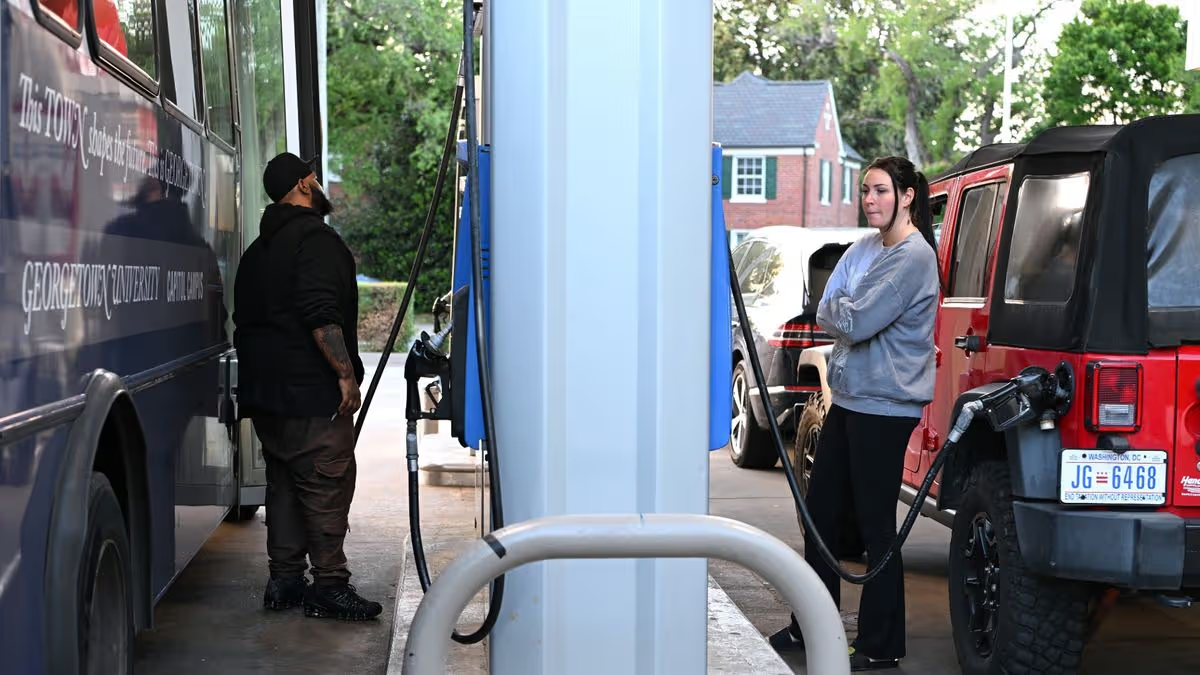
American drivers are paying 42% more for petrol compared to before the outbreak of the conflict on February 28, figures from JPMorgan show, while British drivers have been hit with a more modest 19% increase.
Most other G7 nations have also seen price rises more comparable to the United Kingdom, including Canada, where petrol is up by 24%, and France, which came in at 18%. Diesel is meanwhile up an eye-watering 48% on average in the US, far ahead of any other developed nation.
READ MORE: Petrol prices where you are – new map shows cheapest areas to fill up your car after fuel hikeREAD MORE: RAC urges drivers to try simple changes to save fuel amid oil crisis
It comes as Donald Trump’s ratings hit a record low this week, with only 36% of Americans approving of Trump’s job performance in a Reuters/Ipsos poll. Concerns over the impact of the Iran war on the cost of living have contributed to growing voter dissatisfaction, with Trump having campaigned in 2024 on an anti-inflation platform.
On Friday, Trump promised voters that “gasoline and oil” prices will “go down rapidly as soon as the war is over”. “As soon as it’s over they’ll drop like a rock, there’s so much of it”, he told reporters in the Oval Office.
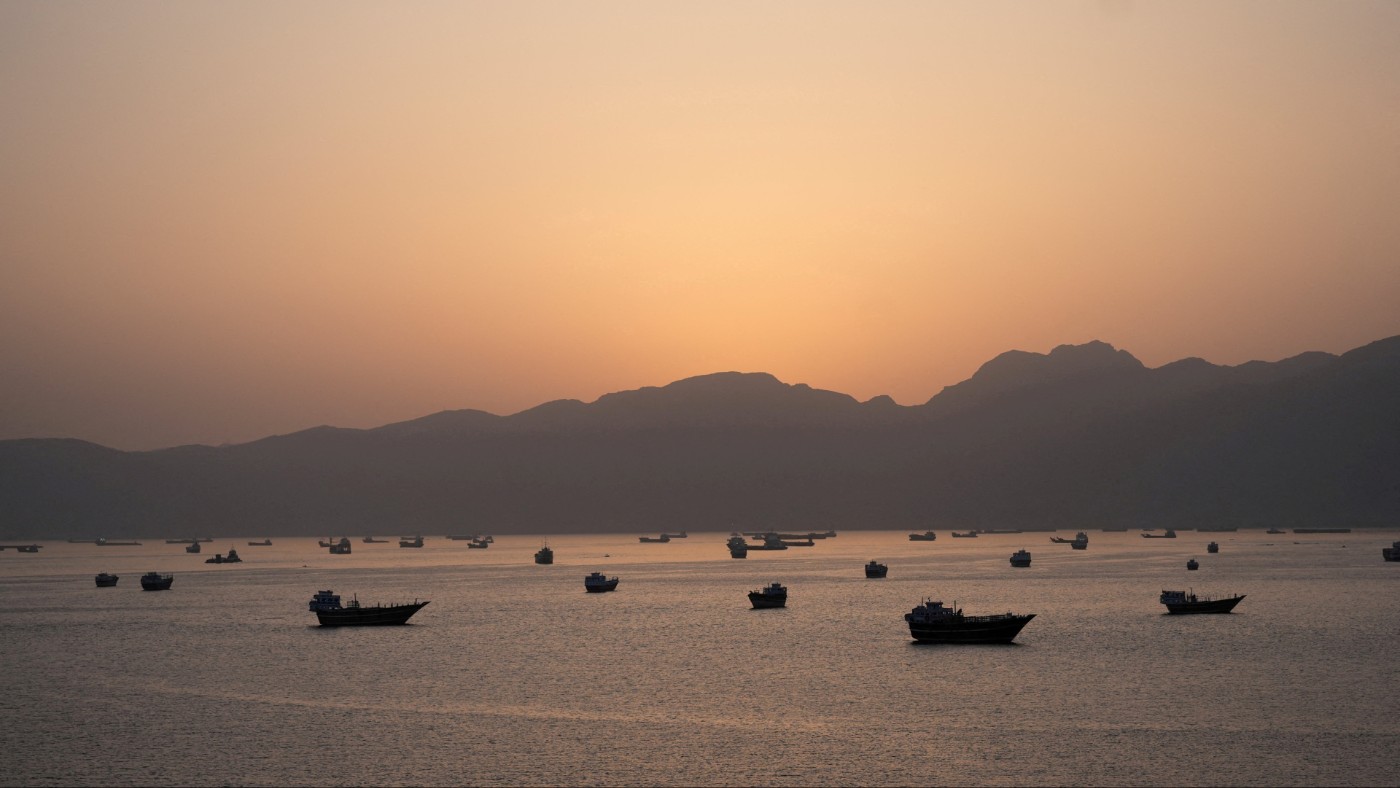
But despite both sides still being under a two-week ceasefire, a deal to reopen the vital Strait of Hormuz oil route remains elusive, with Trump announcing yesterday that he was “not satisfied” with new proposals from Tehran delivered via Pakistan. Iranian military officials warned this morning that a resumption of the conflict at the end of the ceasefire is “likely” if the US maintains its “maximalist” demands.
Back in Britain, consumers have been taking fewer trips in the car to cut back on fuel and spending less on meals out in the face of the Iran war, new data suggests.
Recent customer data from banking group NatWest suggests that households and businesses have made adjustments to their spending and borrowing activity in response to concerns about the economic impact of the Middle East energy shock.
It showed that 10-20% less fuel was being purchased compared with a year ago, indicating that drivers were taking fewer trips – a trend that was most pronounced among people over 65. Spending on eating out has dipped by about 3.5%, with more customers seeking out value for money.