
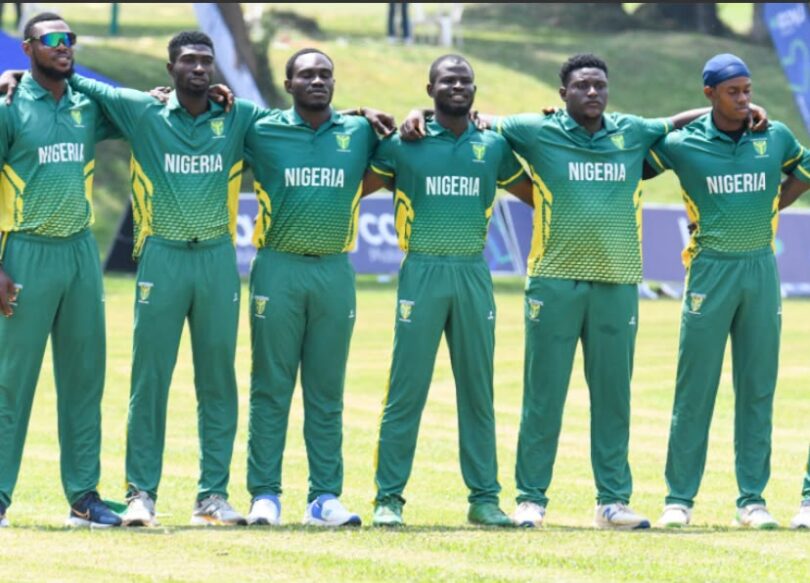
While mainstream sports media focuses heavily on stadium facilities, senior squad tactics, and tournament logistics ahead of the ICC Men’s T20 World Cup Qualifier C in Abuja, the true secret behind Nigeria’s rising cricket prowess lies hidden beneath the surface.
READ ALSO: Nigeria T20 Quadrangular Series Hits Climax This Sunday At Tafawa Balewa Cricket Oval | Sports247 Nigeria
The national team’s momentum is not an overnight fluke or merely the result of hosting rights, it represents the explosive culmination of a sustained, nationwide grassroots revolution.
Over the past few years, domestic cricket development in Nigeria has undergone an extraordinary transformation. School outreach programs and regional academy networks across key hubs have systematically introduced thousands of young boys and girls to the sport.
This aggressive grassroot expansion created a booming pipeline of home-grown talent, as evidenced by Nigeria’s junior national teams earning historic promotions across continental competitions and securing back-to-back global tournament appearances.
The upcoming showdown at the Moshood Abiola National Stadium is the ultimate proof of concept for this youth investment strategy.
Several key performers currently driving the Yellow Greens’ attack are direct graduates of these domestic development pathways.
Their transition from regional grassroot circuits to international qualifiers proves that structured talent identification can challenge traditional sports hierarchies in a country long dominated by football.
For the young prospects watching from academy pitches across Nigeria, seeing homegrown athletes battle continental powerhouses like Uganda on home soil provides powerful motivation. A successful qualification run in Abuja would validate the national grassroot framework, encouraging state governments and private corporate partners to build dedicated pitches, sponsor school leagues, and expand grassroots funding nationwide.
Ultimately, victory in Abuja would mean far more than advancing to the next qualifying stage. It would serve as living proof that sustainable youth development, structured academy pathways, and long-term grassroot vision can successfully elevate a non-traditional sport to global prominence.
The senior players taking the field in Abuja are not just fighting for a World Cup ticket they are carrying the aspirations of an entire generation of young Nigerian cricketers.