
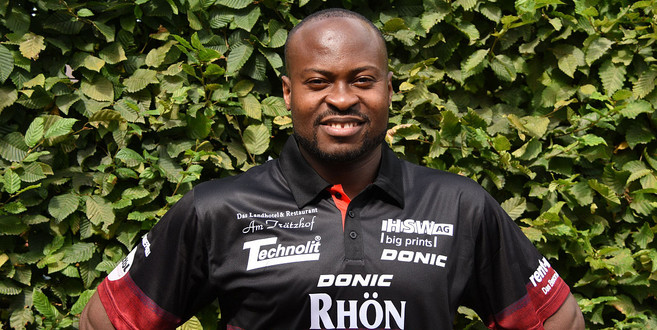
Nigerian table tennis superstar Aruna Quadri has opened up about the emotional struggles, loneliness and difficult living conditions he endured while pursuing his dream of becoming a world-class professional, revealing that life abroad was far from the glamorous experience many young athletes imagine.
The Nigerian international, who plays for French club Amiens STT, disclosed that adjusting to unfamiliar weather, different food and the emotional burden of being separated from his family presented enormous challenges during his early professional journey.
Read Also: ‘My Father Stopped Me From Playing Football, Now Table Tennis Has Changed My Life!’ — Nigerian Wonderkid Matthew Kuti Reveals Emotional Journey to Stardom | Sports247 Nigeria
Speaking about the sacrifices required to succeed internationally, Quadri explained that leaving his comfort zone was one of the toughest decisions he had to make.
“You have to fight with the weather, the food, loneliness when you are alone. That has never been very easy,” Quadri revealed.
“But if you really want to succeed, you have to go out of your comfort zone.”
The African table tennis icon described a demanding lifestyle built almost entirely around training, eating and sleeping, leaving little room for social activities or personal enjoyment.
“In the morning we practice, we go to sleep, we return in the evening, we practice, we go to sleep. It was just about sleep, practice and eat,” he recalled.
Despite the exhausting routine and emotional difficulties, Quadri insisted that abandoning his professional ambitions was never an option.
Instead, he gradually accepted the sacrifices as necessary steps towards achieving his sporting dreams.
“If I really want to play as a professional, I really have to get used to it,” he explained.
The Nigerian star revealed that the prospect of returning home to reunite with his family at the end of each season provided additional motivation to persevere.
He explained that he would usually look forward to visiting Nigeria around June or July, when the European table tennis season had concluded.
“So I just decided to keep going without thinking about going back home,” Quadri stated.
“I kept going, but it was never easy. I was never ever feeling like giving up.”
His revelations offer a powerful insight into the less glamorous side of professional sports, where athletes must overcome psychological and cultural barriers alongside the physical demands of competition.
For aspiring Nigerian table tennis players hoping to follow his footsteps, Quadri’s journey provides an important lesson about resilience, discipline and the willingness to endure discomfort in pursuit of excellence.
His message is clear: international success demands more than talent, and the determination to keep going through difficult circumstances can make the difference between ambition and achievement.