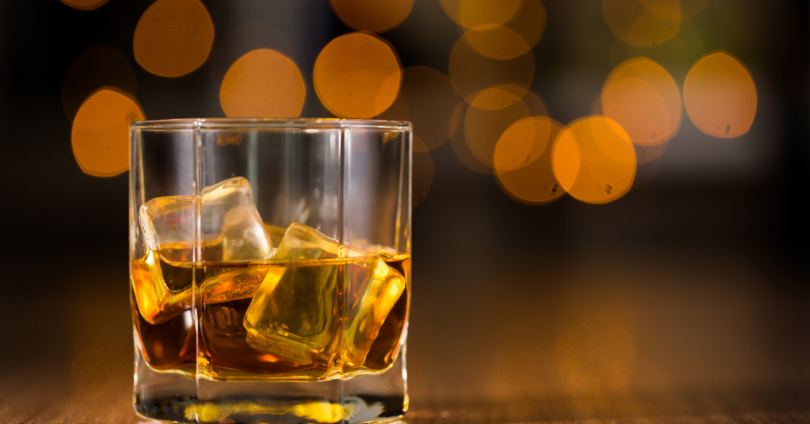
If you are working towards a fitness goal, you may already be thinking about your workouts, nutrition and recovery. But there is another factor that can influence your progress: alcohol. While enjoying an occasional drink does not automatically undo your hard work, regular or heavy drinking can affect several processes that are important for fitness.
From sleep and hydration to muscle recovery and exercise performance, alcohol can make it harder to get the results you are aiming for. Here are five ways drinking alcohol can affect your fitness.
1. It Can Affect Your Hydration
Staying hydrated is important for exercise performance, particularly during longer or more intense workouts. Alcohol can increase urine production, which can contribute to fluid loss.
If you drink alcohol after exercising, you may therefore find it more difficult to replace the fluids your body has lost through sweating. Dehydration can contribute to headaches, tiredness and reduced physical performance.
Drinking plenty of water throughout the day and around exercise can help you maintain good hydration, although limiting alcohol is another way to support your body’s fluid balance.
2. It Can Disrupt Your Sleep
Good-quality sleep is an important part of fitness because it gives your body time to recover. Although alcohol may initially make you feel sleepy, it can interfere with normal sleep patterns.
A night of drinking may leave you feeling tired the following day, which can affect motivation and make your usual workout feel more difficult. Regularly disrupted sleep can also make it harder to maintain consistent exercise and healthy eating habits.
Prioritising good sleep can therefore be just as important as sticking to your training schedule.
3. It May Slow Recovery
Exercise places temporary stress on your muscles, and recovery allows your body to adapt and become stronger. Alcohol can interfere with some of the processes involved in recovery.
Heavy drinking, in particular, may affect muscle protein synthesis and the body’s ability to repair tissue effectively. It can also contribute to dehydration and poorer sleep, creating several potential barriers to recovery at the same time.
If you regularly train hard but drink heavily afterwards, your recovery may not be as effective as it could be.
4. It Can Affect Your Exercise Performance
Feeling tired, dehydrated or generally unwell after drinking can make exercise less enjoyable and reduce your ability to perform at your best.
Reaction time, coordination and concentration can also be affected when alcohol is still in your system. This can be particularly important for activities requiring balance, precision or quick responses.
Even when you are no longer feeling the immediate effects of alcohol, the consequences of poor sleep and dehydration may still affect your next workout.
Read Also: Tella Eyes Europa League Glory With Bayer Leverkusen
5. It Can Make Weight Management More Difficult
Alcohol contains calories, but those calories may not provide the same feeling of fullness as food. Depending on what you drink, additional calories can also come from sugary mixers and other ingredients.
Drinking may also make it easier to choose high-calorie foods or snack more than usual. A few drinks followed by a takeaway can therefore add considerably to your overall calorie intake.
If your fitness goal includes losing body fat, regularly consuming excess calories from alcohol and associated foods may make progress more challenging.
Finding the Right Balance
Alcohol does not have to be the only factor you consider when assessing your fitness. Your overall diet, exercise routine, sleep, stress levels and general health all matter.
However, if you feel your drinking is interfering with your workouts, recovery or goals, reducing your intake may be worth considering. You might experiment with alcohol-free days, choose lower-calorie alternatives or replace some drinking occasions with activities that support your fitness.
If you are concerned about your relationship with alcohol or find it difficult to reduce your intake, speak to an expert at alcohol rehab in Birmingham, London, Lagos, Kano or wherever your local treatment centre is, whether that be advice, guidance or even going through the alcohol withdrawal process.
Fitness is about more than what happens in the gym. The choices you make outside your workouts can have a significant impact on how you feel, recover and perform.