
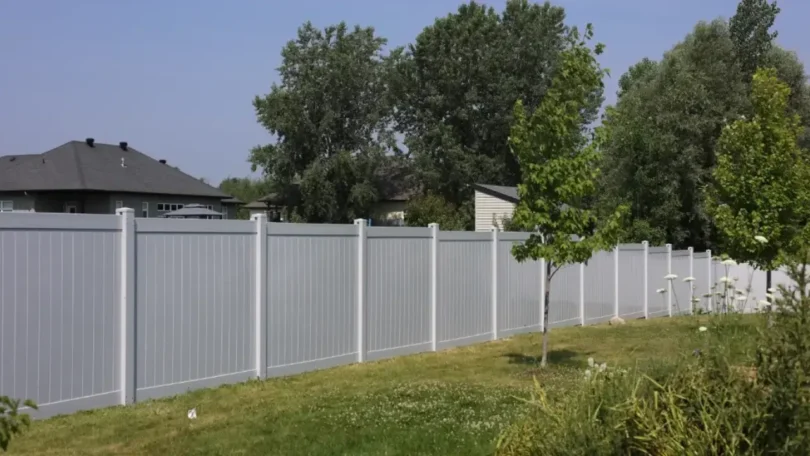
A successful fencing project begins well before posts enter the ground. Property conditions, landscaping, access routes, boundaries, and nearby outdoor features can all affect how smoothly the work proceeds. Preparing these details early gives owners a clearer understanding of the space and reduces avoidable complications once construction begins.
Site preparation for fence installation involves more than clearing a narrow strip across the yard. Owners should consider where the boundary will run, what contractors need to access, which plants or structures could interfere, and whether other property improvements are planned. These practical decisions help create workable conditions for the project.
Hawk Fences LLC can evaluate visible site characteristics while discussing the proposed fencing layout with a property owner. Walking the planned route provides an opportunity to identify obstacles, changes in grade, vegetation, and access limitations before work starts. Early preparation also helps owners address responsibilities that need attention before the scheduled project date.
Confirm the Intended Fence Line Before Site Work Begins
Property owners should have a clear understanding of where they intend the fence to be located. Existing landscaping, old fencing, mowing patterns, or informal assumptions should not automatically be treated as reliable indicators of a legal property boundary.
When boundary information is uncertain, owners may need to consult appropriate property documents or qualified professionals. Resolving questions before construction is considerably easier than addressing a location dispute after posts and panels have already been installed.
The proposed line should also be reviewed in relation to the property’s practical use. A technically available location may still create difficulties around driveways, walkways, structures, or frequently used outdoor areas.
Identify Underground Utilities and Other Hidden Conditions
The most important site conditions are not always visible from the surface. Underground utilities, irrigation components, drainage systems, and other buried features can influence where digging can safely occur.
Property owners should follow applicable utility-location procedures before excavation begins. Private systems that are not covered through standard utility marking may require separate identification by an appropriate provider.
Hawk Fences LLC can use available site information when preparing for the project, but owners should communicate known underground features early. Clear information reduces uncertainty and allows potential conflicts to be considered before construction activity reaches the affected area.
Clear Vegetation Along the Planned Working Area
Dense vegetation can make a fence line difficult to access. Shrubs, vines, low branches, volunteer plants, and overgrown groundcover may occupy the exact area where posts or panels need to be positioned.
Consider the Mature Size of Nearby Plants
Plants that appear comfortably distant today may spread toward the fence as they mature. Allowing reasonable space can make future trimming and routine property care easier.
Decide Which Landscaping Should Remain
Not every plant near the route needs removal. Owners can identify valuable landscaping beforehand so the planned work area is clear without unnecessarily disturbing established features.
Thoughtful clearing creates room for construction while preserving landscaping that contributes to the property.
Remove Objects That Restrict Contractor Access
Outdoor spaces often accumulate movable items that seem unrelated to a fencing project. Furniture, planters, toys, hoses, decorations, recreational equipment, and maintenance supplies can nevertheless limit access to the work area.
Moving these objects beforehand creates a clearer route for workers and materials. Owners should consider not only the fence line itself but also the path between the street, driveway, staging area, and construction zone.
Large or fragile belongings deserve particular attention. Relocating them before work begins can prevent last-minute delays and keep important items away from active construction areas.
Examine Slopes and Changes in Ground Level
Few properties are completely level from one end to another. Gradual slopes, abrupt grade changes, retaining features, drainage channels, and uneven terrain can affect how fencing relates to the landscape.
Owners should walk the complete route and note where the ground changes noticeably. These conditions may influence layout decisions and should be discussed before materials are positioned for installation.
Site evaluation is especially useful where several elevation changes occur within a short distance. Understanding the terrain early gives the project team better context for planning the finished fence.
Read Also: EPL: Toughest Game Of The Season –Maresca Speaks Ahead Man City Vs Sunderland
Coordinate Fencing With Other Property Improvements
A fence should not be planned independently when other exterior projects are approaching. New patios, sheds, driveways, pools, gardens, drainage improvements, or additions can change how outdoor space needs to function.
Fence installation in Atlanta should therefore be considered within the broader sequence of property improvements. Installing a boundary first may be appropriate in one situation, while completing grading or construction elsewhere may make more sense in another.
Coordinating schedules can also prevent newly completed work from being disturbed. Property owners gain a more efficient improvement plan when contractors understand which outdoor changes are expected next.
Provide Practical Access for Materials and Equipment
Construction requires more access than the finished fence will eventually occupy. Materials must reach the work area, and workers need enough room to perform tasks without repeatedly navigating unnecessary obstacles.
Hawk Fences LLC can discuss practical access during the planning stage, particularly on properties with narrow side yards or restricted entrances. Owners can then determine whether vehicles, stored belongings, locked areas, or temporary obstacles need attention before work begins.
Access planning becomes especially valuable on larger or more complicated properties. A clear route can support efficient movement without unnecessarily disrupting unrelated sections of the yard.
Review Local Requirements Before Construction Starts
Fencing projects may be affected by rules concerning placement, height, materials, visibility, or other property conditions. Requirements can vary depending on the location and characteristics of the proposed project.
Owners should determine which approvals or restrictions apply before construction begins. Homeowners associations or similar organizations may also maintain separate requirements that deserve early review.
Waiting until the scheduled work date to investigate these matters can create unnecessary disruption. Completing applicable administrative steps beforehand gives the physical project a more dependable starting point.
Think About Drainage Around the Proposed Fence
Water movement deserves attention because fences cross portions of the landscape where runoff naturally travels. Existing drainage patterns should be observed before changes are made around the route.
Low areas, erosion, persistent moisture, and channels created by heavy rainfall can reveal how water behaves across the property. Owners should communicate known drainage concerns rather than assuming they are unrelated to fencing.
The objective is to understand existing conditions before construction. Recognizing water patterns early allows owners to coordinate separate drainage work when appropriate and avoid overlooking an important site characteristic.
Prepare Pets and Household Routines for Construction
Construction temporarily changes how residents use outdoor areas. Pets that normally enter a fenced yard may need another secure arrangement while existing boundaries are open or new sections remain incomplete.
Children and other household members should also understand which areas are temporarily unavailable. Planning alternative routes can reduce unnecessary movement through active work zones.
These arrangements are simple but easy to overlook. Preparing household routines beforehand helps keep the work area clear while allowing normal activities to continue elsewhere on the property.
Good Preparation Creates a Stronger Starting Point
Site readiness brings together boundary awareness, utility information, landscaping, access, terrain, drainage, regulations, and future improvement plans. Addressing these considerations before construction gives property owners time to resolve questions without the pressure of active work occurring around them.
A well-prepared site also allows fence installation to begin with a clearer understanding of existing conditions. Contractors can focus on the planned project while owners have already handled movable obstacles, known access concerns, and other preparatory responsibilities.
Preparation does not require transforming the entire yard before fencing begins. It means identifying conditions that could influence the project and addressing them at the appropriate time, creating an organized starting point for a boundary designed around the property’s actual layout and future use.