Former Nigeria international Segun Odegbami has called for major changes at the Nigeria Football Federation (NFF), insisting that there must be consequences for repeated failures by the country’s football administrators.
READ ALSO: NFF Election: Segun Odegbami Questions Ibrahim Gusau’s Second-Term Bid
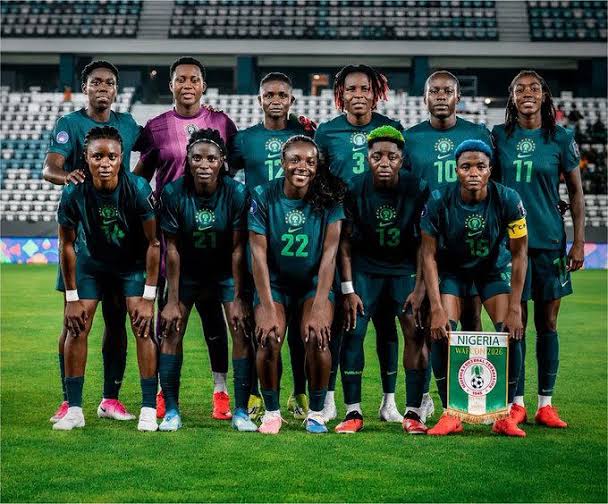
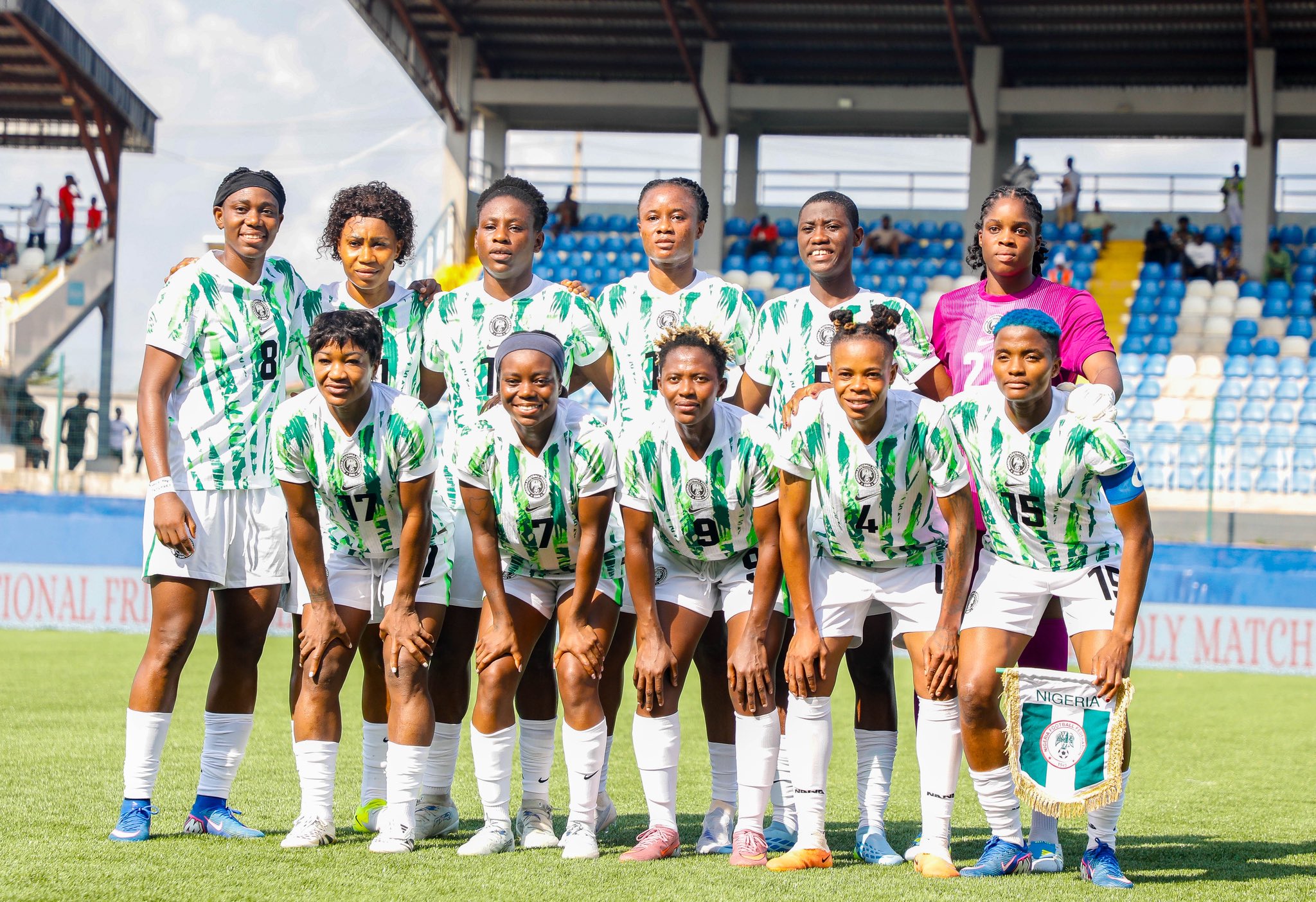
Odegbami’s comments come after a difficult 48-hour period for Nigerian football, which saw the Super Falcons eliminated by Cameroon in the WAFCON quarterfinals and their hopes of automatic qualification for the 2027 FIFA Women’s World Cup disappear.
The former Green Eagles captain argued that the current NFF leadership should not be seeking another term after failing to deliver the expected results with Nigeria’s senior national teams.
“There must be consequences for failure. The current board has failed and should bow out because there is nothing more, they can offer,” Odegbami said.
The 1980 Africa Cup of Nations winner has also called on the Nigerian government to take urgent steps to address what he considers the decline of the country’s football administration.
According to Odegbami, the issue is not personal but concerns the future of Nigerian football and the need to establish a system where administrators are held accountable for their performance.
“This is not an Odegbami project. It is a national call to save our football from people who have nothing to offer other than what they grab in the process,” he said.
His latest criticism follows Nigeria’s failure to qualify for the 2026 FIFA World Cup, followed by the Super Falcons’ quarter-final elimination from the WAFCON in Morocco.
The Super Eagles’ failure to reach the 2026 World Cup was particularly damaging, coming despite Africa having an expanded allocation of nine automatic places plus one play-off place for the tournament.
Odegbami believes those failures should force a serious conversation about the direction of Nigerian football and whether the administrators responsible should be allowed to continue in their positions.
The former international’s comments are likely to intensify the debate surrounding the forthcoming NFF elections, with growing calls from some stakeholders for new leadership and a stronger culture of accountability within Nigerian football.
For Odegbami, the recent setbacks should serve as a warning that Nigerian football cannot continue to accept poor results without consequences for those responsible.