Iran’s president Masoud Pezeshkian described a nearly seven-hour meeting with Ayatollah Mojtaba Khamenei in an interview with Iranian state television that aired amid apparent tensions among the Islamic Republic’s leaders.
Mr Pezeshkian told the state-run IRIB on Monday that he and Mr Khamenei discussed “people’s livelihoods, the state of the market, employment, people’s housing”, as well as “problems that are now being created as a result of the (US) sanctions”.
He did not say when or where they met.
Most important, he said, was Mr Khamenei’s emphasis on unity.
“All of the enemy’s plans are aimed at creating division,” Mr Pezeshkian said.
“What we have to do is prevent divisions from emerging.”
It is only the second time the Iranian president said he has met with the new supreme leader since Mr Khamenei was appointed in March following a US-Israeli strike that killed his father.
Mr Khamenei, believed to have been wounded in the same attack, has not appeared in public since then.
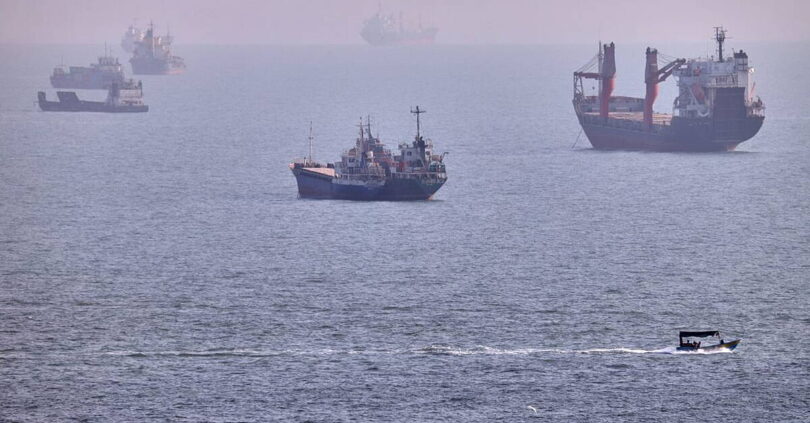
Also on Monday, an Iranian Foreign Ministry spokesperson said Iran will not reopen the Strait of Hormuz until the US has met its conditions.
“It is up to the US side to stop and make amends for its illegal and destructive actions,” Esmail Baghaei said on Monday, noting the American blockade of Iranian ports.
Iran wants the US to lift the blockade, pay compensation for months of war damage, lift economic sanctions and release Iran’s frozen assets.
The closure of the Strait of Hormuz — a waterway that normally carries roughly one-fifth of the world’s traded oil supplies — has become the war’s most lasting consequence.
The impasse has kept energy prices as a major focus of US politics ahead of November’s US mid-term elections.
Iran is holding separate talks with Oman over transit through the strait, including potentially a temporary shipping corridor.
But it has said any actual reopening is contingent on talks with the US.

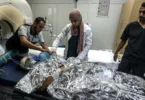
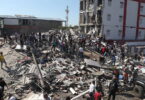
Meanwhile, Yemen’s Iran-backed Houthi rebels attacked a Red Sea port town controlled by government forces on Sunday, killing seven and injuring 30 people.
Yemen’s Defence Ministry, which operates under its internationally recognised government, said four military personnel and three civilians were killed.
The attack on Mokha is the latest in one of the largest waves of Houthi strikes on Yemeni military positions and areas held by the Saudi-backed government since a 2022 truce.
It comes as threats to shipping through the Strait of Hormuz have renewed focus on the Red Sea and Bab el-Mandeb Strait at its southern tip.
Some shipping has shifted toward that route with Hormuz largely off limits to traffic.