
Almost 2,000 Ethiopian nationals detained in Saudi Arabia have been granted royal amnesties by the kingdom’s authorities, Ethiopia’s foreign ministry said in a statement on Monday.
Following the amnesties, Ethiopia has begun facilitating the repatriation of 1,971 citizens.
The announcement follows reporting from Middle East Eye at the beginning of July about the plight of Ethiopians held on death row in Saudi Arabia.
The detainees, some of whom spoke to MEE, are often held on minor drug charges, having been found in posession of khat, a mild stimulant that is commonly used across east Africa but which is illegal in Saudi Arabia.
The Ethiopian foreign ministry said that “sustained diplomatic and consular efforts” had led to the granting of the royal amnesties.
CLICK FOLLOW: TO FOLLOW US
Sign up to get the latest insights and analysis on
Israel-Palestine, alongside Turkey Unpacked and other eSPORTY
The ministry said it remained “closely engaged” with Saudi authorities “regarding matters affecting Ethiopian nationals in the kingdom, including individuals facing legal proceedings and judicial matters”.
Ethiopia said it was engaging with Saudi Arabia “at the highest levels of government”.
Middle East Eye has asked the Ethiopian foreign ministry when the royal amnesties were granted.
Ethiopians on death row in Saudi Arabia
Hundreds of Ethiopian prisoners are currently held on death row in Saudi Arabia’s Khamis Mushait detention facility.
Saudi authorities have executed almost 100 people so far this year, including at least 61 for drug-related offences, according to a recent report from Amnesty International. The executions are typically carried out by sword.
Hailay Berhane, a migrant from Ethiopia’s Tigray region who is being held in Khamis Mushait, told MEE via the Imo messaging app that he and other Ethiopians were forced to sign documents in Arabic without understanding their content and, in some cases, were beaten by security forces.
‘His death has killed a part of me’: The Ethiopians awaiting execution in Saudi Arabia
Read More »
“They handed me 41kg of drugs and forced me to believe it was mine and made me sign documents that I don’t even understand what they were saying in Arabic,” he said, recalling the moment he was caught by Saudi security men three years ago.
High unemployment rates, a collapsed wartime economy and recurring conflict are driving young Ethiopians – particularly those from the Tigray region – to take the hazardous journey to wealthy Saudi Arabia, where they hope to find work.
“Political instability, armed conflict and economic crisis are the major factors affecting the life of Ethiopian youths,” said Yared Hailemariam, an Ethiopian human rights expert. “They are also forcefully recruited for military training and deployed as soldiers for both internal conflicts and cross-border war.”
Many Ethiopians then run afoul of Saudi Arabia’s strict drug laws, are framed for crimes they have not committed or are forced into making false confessions.
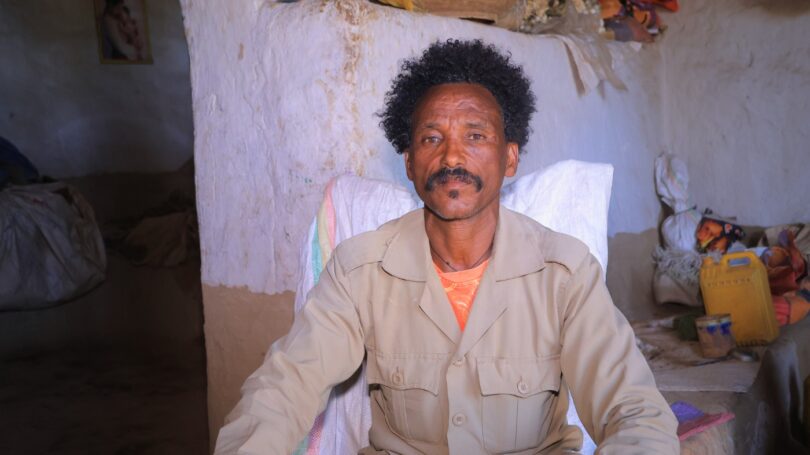
Gebremariam Gebrezgiabher, the father of Kibrom, an Ethiopian executed in Saudi Arabia, told MEE: “It was very hard to hear of his death as a father, especially how he was killed. His death has killed a part of me.”