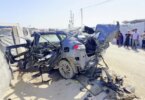
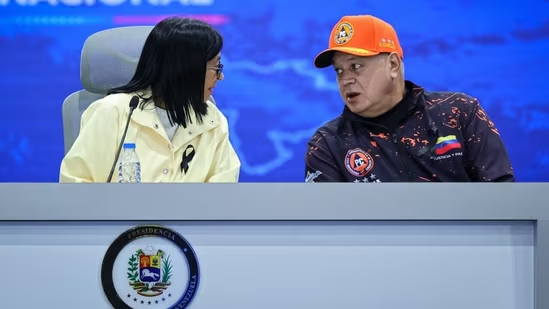
Venezuelan Interior Minister Diosdado Cabello was seen on camera last week turning away an American rescue worker trying to reach a victim in the earthquake-stricken state of La Guaira. The video went viral, as did speculation about Mr. Cabello’s motives for blocking the emergency assistance.
Since then numerous international search and rescue teams have reported efforts by Venezuelan authorities to impede their work in certain buildings in an area of the country notorious for drug trafficking and money laundering by the dictatorship.
It has been six months since the U.S. military took dictator Nicolás Maduro to New York to stand trial on narcotics charges and President Trump put Maduro deputy Delcy Rodríguez in his place. Mr. Trump’s faith in Ms. Rodríguez increasingly looks like a bad bet.
Why Mr. Cabello insisted on keeping prying international eyes away from that building in La Guaira is a question that demands an answer. A State Department spokesman told me by email that the confrontation was only an “unfortunate misunderstanding” between the American and Venezuelan “authorities.” Without naming Mr. Cabello, the spokesman said that “both parties were clearly trying to save lives.”
That would be a first for Mr. Cabello. He’s been indicted in the Southern District of New York on narco-terrorism and firearm charges and conspiracy to import cocaine. In 2025 the U.S. raised a reward for information leading to his arrest or conviction to $25 million from $10 million. He has repeatedly denied narco-trafficking.
Even before Ms. Rodríguez agreed to work with the U.S., Mr. Trump was crowing like Jed Clampett about Venezuela’s vast oil reserves. The country also has rich mineral deposits, including gold, and fabulous beaches. It’s a place where, under the right authoritarian regime, one could make a lot of money by getting in on the ground floor. Like, say, in Kazakhstan.
But Venezuelans want an election. Popular opposition leader María Corina Machado, who is in exile, wants to run. The regime has threatened her with arrest if she returns to her native land. She has hoped that the U.S. would support her desire to go back. The Trump administration has told her to wait. Stabilization and recovery, it says, must come before a transition to democracy.
Mr. Trump has lifted sanctions, cheered Chevron for pumping oil for the dictatorship, and cleared the way for Caracas to get market prices for its petroleum exports. This has Venezuelans “dancing in the streets,” according to the U.S. president.
Yet most Venezuelans are unhappy. Nearly 400 political prisoners remain behind bars. Inflation for the 12 months ending in May was over 500%. Mr. Cabello still runs the secret police, the paramilitary and a good part of the military, and he uses his power to keep a lid on dissent.
The U.S. partnership with this morally bankrupt government has been an American embarrassment for months. The tragedy in La Guaira is exposing the Rodríguez rot further.
Where the regime hasn’t been completely inept since the two back-to-back earthquakes on June 24, it has created obstacles to the mission of saving lives.
Corruption among the rank and file is no surprise. Reports of looting and shakedowns of international responders by military and police are widespread. A tearful Venezuelan woman alleged on X.com that authorities demanded $450 from her family for the body of a loved one killed in the quake.
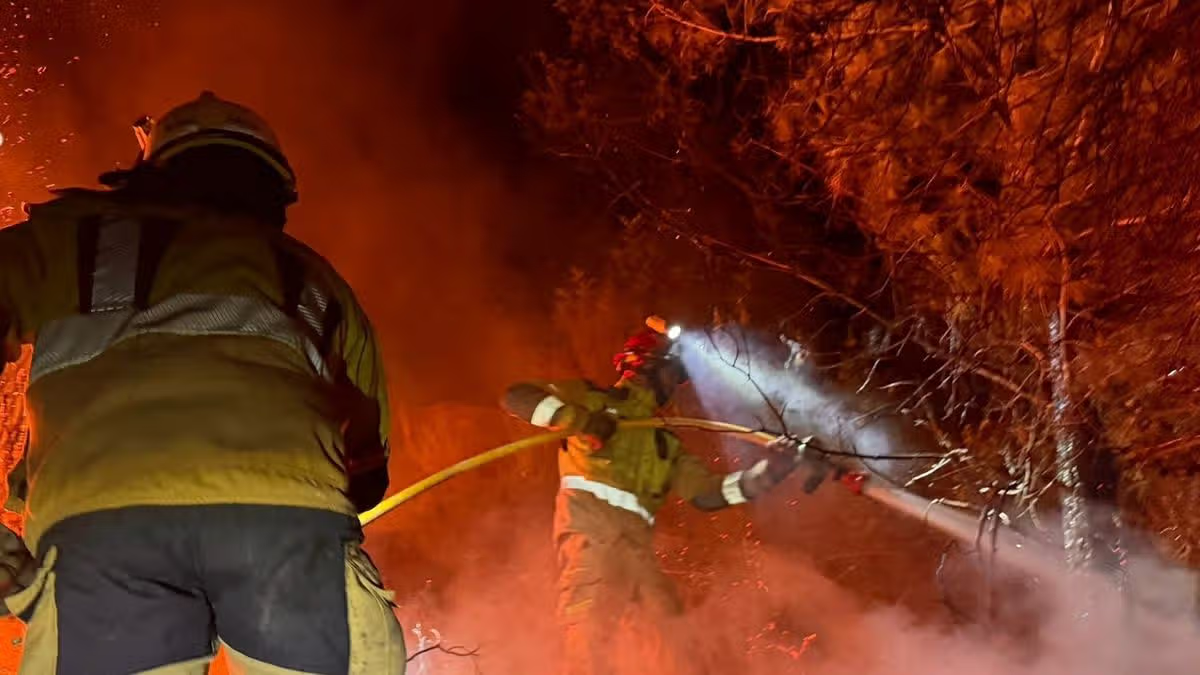
But the problem is bigger than grassroots graft. The Washington Post reported last week that a medical team organized by International Search and Rescue Germany and rescuers from Spain weren’t able to get permission to enter the country. A Chilean rescue group that made it into Venezuela, the paper said, has been “repeatedly” harassed by authorities for “documentation on suspicion that they were spies.” A search expert in the country last week told me by telephone that his team feared for their lives not because of the dangerous rescue work but because of the menacing Venezuelans in uniform.
The regime has plenty to hide. La Guaira is home to the country’s second-largest seaport and Simón Bolívar International Airport. After December 1999 floods in the state, then called Vargas, killed thousands, Hugo Chávez changed the state’s name and threw up hundreds of apartment buildings. The area became ground zero for chavismo. Loyal paramilitary were given places to live. The state became important to the regime as a hub for moving drugs north to the U.S. and for smuggling and storing dollars collected in cash transactions on American streets.
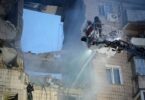
Chávez’s apartment blocks and other structures are now rubble. One rescue worker told me that his team came on about 20 safe-deposit boxes in the basement of a collapsed building last week. A neighbor told him it was cartel loot. We don’t know. But it’s likely that Mr. Cabello does.
Write to O’Grady@wsj.com.