The New York Knicks did so well in the NBA playoffs that they ended up hurting the market for everyone else.
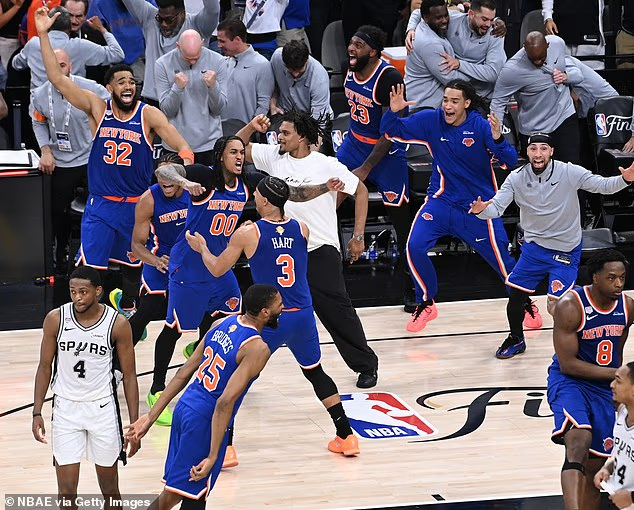
The Knicks went on a dominant run in the playoffs this year – winning 12 straight games and 15 of their last 16 to win their first NBA Finals since 1973.
But by virtue of having the playoffs go so quickly, it ended up causing a negative financial reaction in the salary cap.
As explained by ESPN’s Brian Windhorst, the NBA signed an 11-year media rights deal two years ago which netted the league $77billion.
In an effort to avoid a spike in the salary cap, the league and the players’ union agreed to limit any increases to the cap by a maximum of 10 percent per year over the first three years.
However, the league announced an increase of only 6.7 percent last week.
The New York Knicks’ dominant run through the NBA playoffs cost the entire league money

By winning the title so early, the NBA lost TV revenue and led to smaller salary cap

The Knicks rolled through the playoffs to win their first title in 53 years
The NBA had previously warned teams that the cap increase would be lower than anticipated, however, this mark was lower than what was projected.
So why did the cap increase surprise everyone? It’s because the postseason was shorter than expected thanks to the Knicks sweeping the Eastern Conference Finals and then keeping the NBA Finals to just five games.
As a result, local television earnings for the finals were down – forcing the league to keep expected costs low.
While the high level of national money ‘has made the local TV issue less of a factor,’ as Windhorst says, ‘it’s definitely impacting revenues.’
Most local rights deals are up in 2027, with the NBA hoping to come up with a solution to that issue.
A team president told ESPN, ‘It’s one of the most significant financial things going on in the league right now. It’s played at least some role in moving forward with expansion.’
Despite the financial repercussions, it’s not like the Knicks and their fans would have it any other way, after ending a 53-year drought to clinch a title.