Senior Iranian lawmaker Ebrahim Azizi on Tuesday described the Strait of Hormuz as the Islamic Republic’s “permanent asset” that would remain under Iran’s control and management amid ongoing conflict with the United States and Israel.
Azizi, who is the chairman of the Iranian Parliament’s National Security and Foreign Policy Committee, was quoted by Press TV as warning countries “seeking to project power” in the chokepoint that Iran would pursue its legal rights in the waterway “with full strength” and “will show no leniency toward anyone” in the matter.
Referring to the strategic position of the Strait of Hormuz and its role in regional and extra-regional dynamics, he said the waterway constituted a permanent strategic position with an instrumental role in broader geopolitical equations.
“We have tried during this period to act in line with proper management [tactics], while preserving our authority,” he said in an interview.
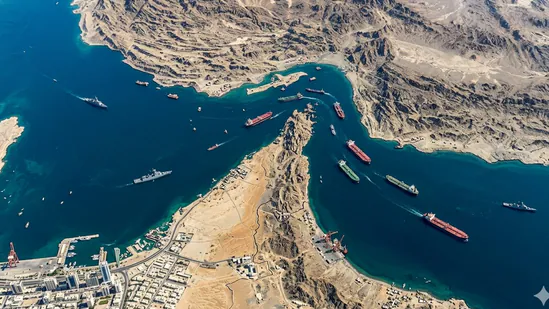
Tehran has choked the vital waterway, through which a fifth of the world’s oil normally passes, since the start of the war with the US and Israel in late February.
How Iran controls Strait of Hormuz
The remarks come as Iran has set up a new mechanism to manage the transit of vessels through the Strait of Hormuz.
“The Persian Gulf Strait Authority has already introduced a new framework requiring ships to obtain transit authorisation and pay tolls before sailing,” Lloyd’s List, the industry journal which provides news and intelligence on shipping and maritime trade, said last week.
It added that “ships are required to submit detailed records of ownership, insurance, crew details and intended transit route”, citing a form sent by the authority.
The Islamic Republic has warned the US Navy to stay out of the Strait of Hormuz and that commercial vessels will need to coordinate any passage with its military. It also issued a new map of the strait with an expanded Iranian area of control.
Iran has repeatedly indicated that it seeks to impose a new reality in the Strait of Hormuz, exacting tolls on transiting ships and sharing the revenues with Oman.
The United States has imposed its own blockade on Iranian ports in the Gulf, and flare-ups in the waterway have dampened hopes for a quick deal to permanently end the war.