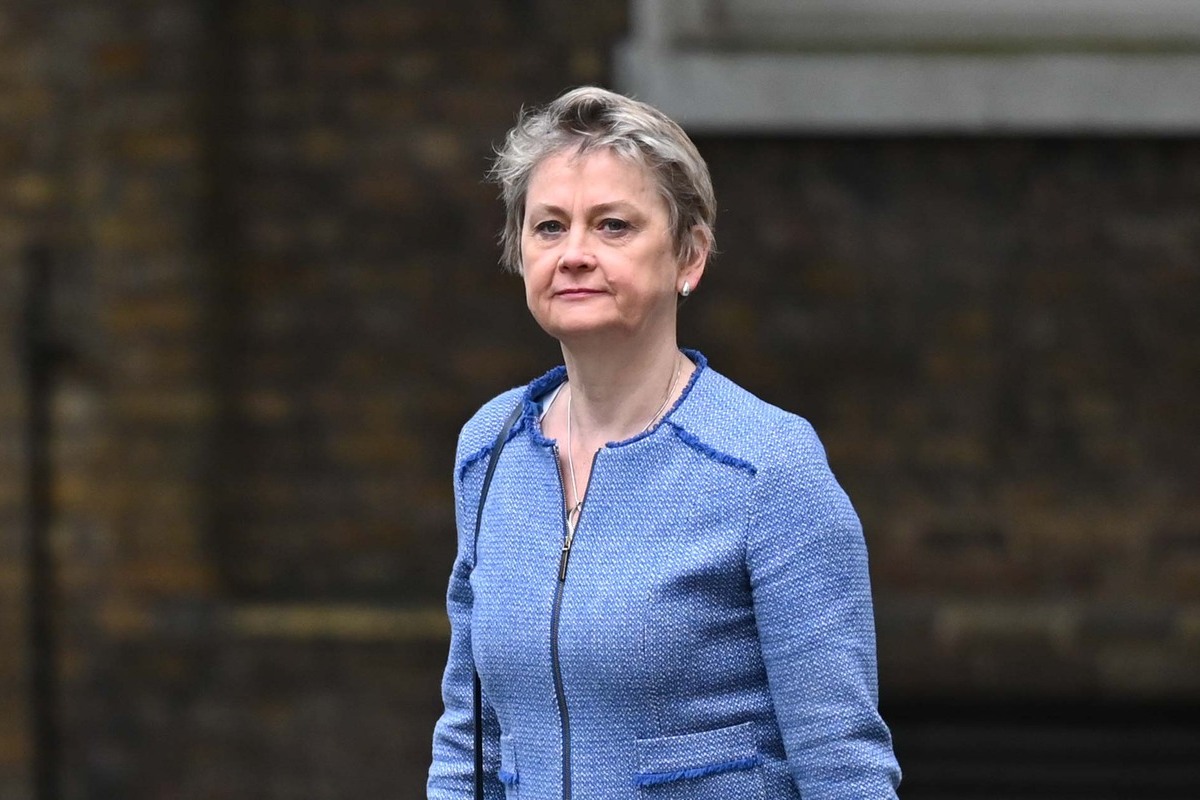
The world risks “sleepwalking into a global food crisis” and the global economy is being “held hostage” because Iran has “hijacked an international shipping lane,” UK Foreign Secretary Yvette Cooper said on Monday, Anadolu reports.
Speaking at the Global Partnerships Conference in London, Cooper said daily shipping traffic through the crucial waterway has plummeted from 90 ships a day to just five over the last three months, leaving 20,000 seafarers and 800 ships “just stuck.”
She warned that the blockage of heating oil, gas, and fertilizer is devastating the Global South and threatening the agricultural calendar. Citing World Food Program data, she stated that 45 million people are at risk of acute hunger this year.
“The world risks sleepwalking into a global food crisis. And we cannot risk tens of millions of people going hungry because Iran has hijacked an international shipping lane,” she pointed out.
To cushion the immediate economic impacts, she announced that British International Investment (BII) will deliver over £4.6 billion ($5.3 billion) for climate investment in emerging markets to support the green transition and build energy security.
READ: Qatar backs US-Iran talks, calls for reopening of Hormuz Strait
Cooper argued that shifting to renewable energy is vital because it “can’t get stuck in the Strait of Hormuz and can’t be hijacked by hostile states.”
Regional tensions have remained high since the US and Israel launched strikes against Iran on Feb. 28, prompting retaliatory attacks by Tehran against Israel and US allies in the Gulf, along with disruptions in the Strait of Hormuz.
A ceasefire took effect on April 8 through Pakistani mediation, but talks in Islamabad failed to produce a lasting agreement. US President Donald Trump later extended the truce indefinitely while maintaining a blockade on vessels traveling to or from Iranian ports through the strategic waterway.
The Strait of Hormuz is one of the world’s key energy chokepoints, linking the Gulf with the Gulf of Oman and international markets. Disruptions in the area have fueled concerns over global oil, fuel and gas supplies since the start of the Iran war.
READ: Israeli cabinet discusses possible resumption of Iran war for second time in 24 hours