After rejecting the fresh Iran proposal to end the war, US President Donald Trump on Monday said that a ceasefire with Iran was “on life support”. This has raised concerns of resumption of hostilities between the two countries that has led to a regional conflict in the Middle East. Thousands have been killed in the war that started on February 28 and is paused after a temporary ceasefire since April 8. Track updates on US Iran war
The conflict has killed thousands and halted vital energy flows, particularly via the Strait of Hormuz, a key energy passage through which almost 20% of world’s energy supplies flow.
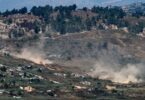
Amid the diplomatic efforts to end the war, Iran on Sunday released a response focused on ending the war on all fronts, including Lebanon, where US ally Israel is fighting Iran-backed Hezbollah militants. But Trump swiftly rejected the offer.
Trump says ceasefire weak, on life support
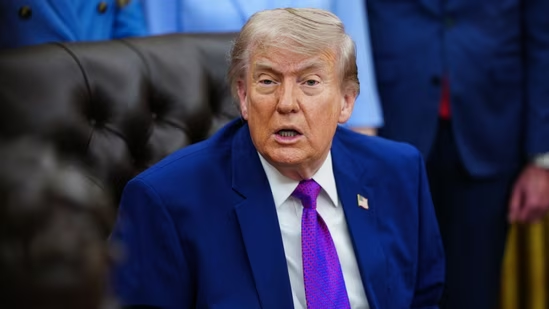
On Monday, Trump said that the ceasefire is at its weakest right now as he termed the Iran offer as “piece of garbage”.
When asked about the status of the ceasefire, Trump said, “I would call it the weakest right now, after reading that piece of garbage they sent us. I didn’t even finish reading it.”
Tehran has demanded compensation for war damage, emphasised its sovereignty over the Strait of Hormuz, and called on the US to end its naval blockade, guarantee no further attacks, lift sanctions and remove a ban on Iranian oil sales.
The US had proposed an end to fighting before starting talks on more contentious issues, including Iran’s nuclear programme.
Tehran says ‘our demand is legitimate’
In its defence, Iran on Monday said, “Our demand is legitimate: demanding an end to the war, lifting the (US) blockade and piracy, and releasing Iranian assets that have been unjustly frozen in banks due to US pressure.”
“Safe passage through the Strait of Hormuz and establishing security in the region and Lebanon were other demands of Iran, which are considered a generous and responsible offer,” foreign ministry spokesperson Esmaeil Baghaei was quoted as saying by Reuters.
Brent crude oil futures traded 2.7% higher at around $104 a barrel, as the deadlock left the Strait of Hormuz largely closed. Before the war began on February 28, the narrow waterway carried one-fifth of the world’s oil and liquefied natural gas, and has since become a central pressure point in the conflict.
Disruption caused by the near-closure of the strait has forced oil producers to cut exports, and OPEC oil output dropped further in April to the lowest in more than two decades, a Reuters survey showed on Monday.