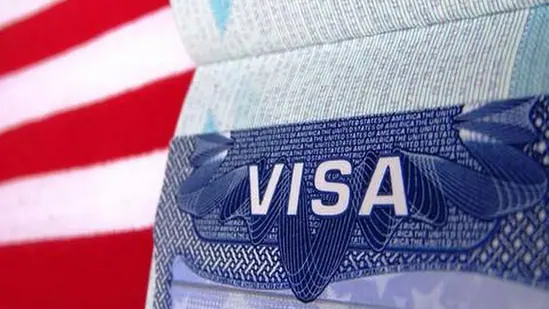
The US Citizenship and Immigration Services (USCIS) has reported an increase in denials for employment-based immigrants as well as in significant temporary visa categories.
Data from the government suggests that the policies implemented during the Trump administration have resulted in a surge in denials, thereby reducing the likelihood that numerous high-skilled foreign nationals will secure employment in the US Economists have determined that high-skilled immigration is essential for the US economy, particularly in the fields of technology, medicine, and other industries.
This new data is consistent with other policies from the administration aimed at obstructing or limiting immigration, such as a $100,000 fee imposed on the entry of new H-1B visa holders and a proposed regulation that could render many H-1B professionals and employment-based immigrants unable to compete in the US labor market due to increased prevailing wage requirements. Additionally, companies and H-1B employees are facing extended delays in renewing their visas at US. consulates as a result of these policy changes.
Also Read: Americans aboard hantavirus-stricken cruise ship to quarantine in Nebraska: 5 things to know as CDC gives key update
Former visa officer gives tips
For many applicants, the genuine preparation for a US visa interview commences only after receiving the notification of “rejected”.
Christa Byker, a former US consular officer, states that this is precisely where the majority of people make mistakes.
Based on her extensive experience interviewing applicants at US embassies, Byker recently conveyed her insights regarding the common misconceptions surrounding the visa process. Her post, shared on LinkedIn, swiftly struck a chord with applicants, immigration attorneys, and former officers alike.
“Prepare before the first interview. Not after the denial,” she suggested.
Why do officers appear unfriendly at the visa window?
Byker notes that several applicants leave interviews believing that the visa officer was impolite. However, she explains that what candidates frequently perceive as aggression is typically a consequence of the stress and fatigue experienced within the embassy. “What feels like rudeness is usually just speed, directness, or fatigue,” she mentioned.
Visa officers conduct many interviews throughout the day, frequently lasting only a few minutes each. As a result, the conversations can often come across as abrupt and transactional.
However, Byker acknowledged that officers are not infallible. Some may simply be experiencing a challenging day, while others might already have a reputation among their peers for being particularly strict. She cautioned applicants against allowing their emotions to dominate during the interaction.
A second interview is not merely a repetition.
Many candidates believe that a rejection irrevocably harms their prospects. Byker asserts that this is not always the case.
When a candidate reapplies, the subsequent officer typically reviews the notes from the previous interview. In certain instances, if the initial officer was known for being unduly severe, that background may subtly influence the perception of the case during the second evaluation.
However, second interview also presents a new opportunity.
“The officer will almost certainly ask why you are applying again,” she said, suggesting that instead of perceiving it as a challenge, candidates must seize it as an opportunity to articulate their situation and rectify previous shortcomings.
“With your response, you have a real chance to establish your qualifications. Don’t waste the opportunity,” she said.
Mistakes that candidates realise after rejection
Byker asserts that the majority of applicants misinterpret the true nature of what visa interviews are assessing.
She explains that people often focus excessively on their documentation, neglecting to grasp the essence of the interaction itself. According to her, the interview transcends mere paperwork — it also encompasses clarity, confidence, and the ability of applicants to effectively articulate their circumstances under duress.
Additionally, she highlighted a lesser-known aspect shared among former officers: morning interview slots may occasionally yield slightly better outcomes for applicants, as officers tend to be more alert earlier in the day. Although this is not a definitive advantage, she mentioned it is a consideration worth pondering.
For Byker, the more significant concern is that several applicants only begin to look for interview strategies after a rejection leaves them bewildered. At that point, they are attempting to rectify errors that could have been prevented earlier.