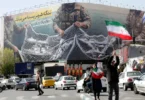
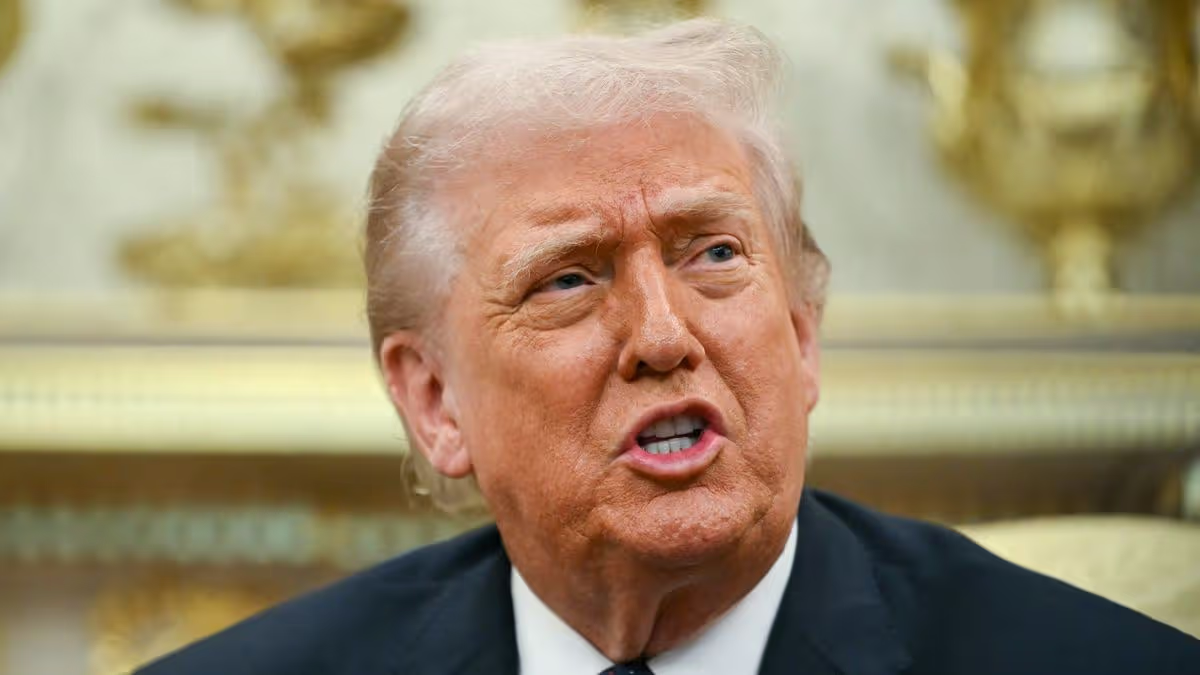
It comes after US president Donald Trump declared he is “not satisfied” by the peace deals offered by Iran. A ceasefire was originally announced on April 8, followed by talks in the Pakistan capital Islamabad, but no agreement was reached
Renewed fighting between Iran and the US is “likely”, amid growing fears a temporary ceasefire could soon collapse, a senior Iranian official has warned.
Mohammad Jafar Asadi, a senior figure in the Iranian military’s central command, cited the White House’ failure to adhere to commitments and accused Washington of being “media-oriented” and “focused on preventing oil price drops and escaping self-created predicaments”. He claimed Iran are “trying to make a good deal [for them] and we’re not going to let that happen”.
Asadi also stressed that Iran’s armed forces are “in full readiness for any renewed adventurism and miscalculation by the United States.”
READ MORE: NATO is ‘falling apart’ as ‘greatest threat’ nearing ever closer in WW3 fearsREAD MORE: Spirit Airlines to shutdown after 34 years with flights cancelled and 17,000 jobs at risk
He added: “Evidence has shown that the United States is not committed to any promises or agreements. They’ve got to make a bad deal. Maybe we’re better off not making a deal at all”.
It comes after US president Donald Trump declared he is “not satisfied” by the peace deals offered by Iran. A ceasefire was originally announced on April 8, followed by talks in the Pakistan capital Islamabad, but no agreement was reached. President Trump later unilaterally extended the truce at Pakistan’s request without setting a new deadline. According to Islamic Republic News Agency, the regime submitted a new proposal to Pakistan on Thursday to resume negotiations, but it remains unclear whether efforts to revive talks will succeed.
The Middle East crisis continues to cause ripple effects in Europe, with Trump announcing he will withdraw 5,000 troops from Nato ally Germany over the next 12 months following a war of words caused by chancellor Friedrich Merz claiming the US is being “humiliated” by Iran and questioning the US’ strategy.
Two top US Republican lawmakers today expressed unease about the decision. In a joint statement, senator Roger Wicker and representative Mike Rogers, said: “We are very concerned by the decision to withdraw a US brigade from Germany.”
The pair, who chair the Senate and House armed services committees repspectively, said the move could prematurely cut US forces in Europe and “risks undermining deterrence and sending the wrong signal to Vladimir Putin.” They added: “We expect the Department to engage with its oversight committees in the days and weeks ahead on this decision and its implications for US deterrence and transatlantic security.”
Responding to Trump’s withdrawal announcement, Germany’s defence minister Boris Pistorius said: “It was foreseeable that the US would withdraw troops from Europe, including Germany.” Nato spokesperson Allison Hart said announced the alliance is “working with the US to understand the details of their decision on force posture in Germany”.
The war also continues to cause chaos with the global oil market, with experts warning it is just four weeks away from a tipping point that could send prices soaring. Trump has told oil company executives the Strait of Hormuz blockade could continue for months, raising fears global stockpiles could dip below critical levels.
Analysts fear stocks of crude oil, petrol, diesel and jet fuel could hit critically low levels by the end of the month at which point prices will increase significantly. Frederic Lasserre, head of research at Gunvor, one of the world ’s oil traders, told the Financial Times: “We do not have months.
“It goes beyond gasoline at the pumps to industry shutting down and you enter recession.” He added: “The tipping point is clearly June. This is the point at which something has to give.
Meanwhile, Lebanon’s public health ministry has said its death toll two months into Israeli attacks on its neighbour has reached 2,659., including 41 in the last 24 hours. The figures reveal a further 8,183 have been wounded since Israel renewed its attacks on Lebanon on March 2.