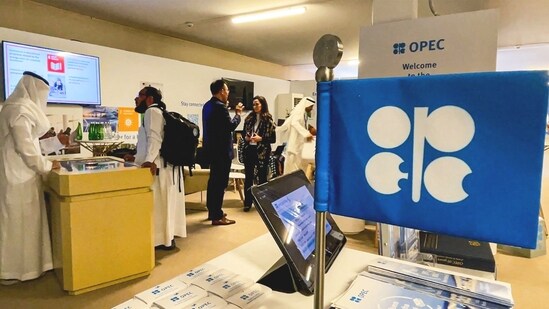
The United Arab Emirates (UAE) announced on Tuesday that it will exit the oil cartel OPEC and the broader OPEC+ alliance effective May 1. The decision follows months of friction over production limits, with the UAE increasingly at odds with neighboring Saudi Arabia.
The decision comes at a time when the Iran war has already triggered a historic energy shock and unsettled the global economy.
The UAE’s exit deals a major blow to OPEC+, the powerful alliance of oil-producing nations led by Saudi Arabia. As one of the group’s longstanding members, the UAE’s departure could weaken cohesion within the bloc and create fresh uncertainty around production strategies and global oil supply.
Despite often presenting a united front, OPEC+ has faced internal differences over issues ranging from geopolitics to output quotas. The UAE’s move is likely to deepen those fault lines.
UAE Energy Minister Suhail Mohamed al-Mazrouei said the decision was taken after a careful review of the country’s long-term energy strategy. He added that the UAE did not consult any other country, including Saudi Arabia, before making the move.
The UAE has been associated with OPEC for decades-first through Abu Dhabi’s membership in 1967 and later as a unified nation after its formation in 1971-making its exit a significant shift in the group’s history.