
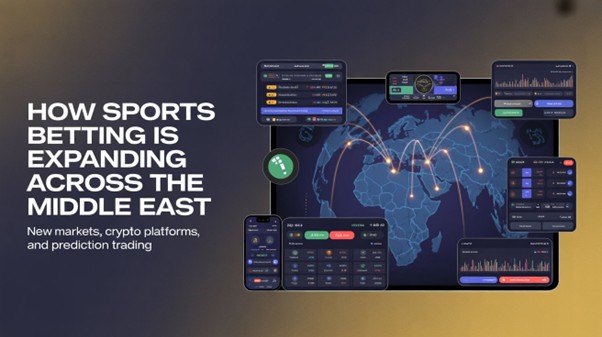
For decades, sports betting in the Middle East operated almost entirely underground. Religious and cultural restrictions kept gambling activities informal and offshore. That picture is changing fast.
The UAE established the General Commercial Gaming Regulatory Authority (GCGRA) in 2023, signaling a serious move toward regulated gaming. The $3.9 billion Wynn Resorts project in Ras Al Khaimah is now under development, positioning the Emirates as a potential hub for legal gambling tourism.
Saudi Arabia, while maintaining official prohibitions, has quietly allowed international betting operators to market to local residents. The Kingdom’s massive investments in football, including Newcastle United and the Saudi Pro League, along with hosting the eSports World Cup and major boxing events, have created an environment where sports and betting increasingly overlap.
Market analysts project the Middle East sports betting sector will grow at over 10% annually through 2032, with the UAE leading as the fastest-growing market in the region.
Why This Matters for Global Bettors
The expansion is not happening in isolation. As Middle Eastern markets open, operators are building platforms designed for Arabic-speaking users across multiple regions. These platforms often feature faster deposits, cryptocurrency payment options, and streamlined verification processes.
This creates interesting alternatives for bettors worldwide. Platforms now offer sports betting in the UAE with models specifically built for Middle Eastern audiences, supporting multiple currencies and languages while offering competitive odds on international football, Formula 1, and cricket.
The technology infrastructure being built for these users, including AI-powered odds engines, blockchain-based transactions, and mobile-first design, is raising the standard across the entire industry.
Football Leads, But Other Sports Are Growing
Football dominates betting activity across the Middle East, mirroring global trends. The English Premier League, La Liga, and UEFA Champions League attract the most wagering volume. But the Saudi Pro League, now featuring global stars, is emerging as a market in its own right.
Beyond football, several sports are gaining betting traction:
- Formula 1 has become massive in the region, with races in Saudi Arabia, Qatar, Bahrain, Abu Dhabi, and more on the calendar. The expansion of Middle Eastern circuits has driven increased betting interest in motorsports globally.
- Cricket maintains strong interest, particularly during IPL and international test series, connecting Middle Eastern markets with South Asian betting preferences.
- Combat sports, including boxing and MMA, have seen significant growth. Saudi Arabia’s hosting of major fights has turned the Kingdom into a destination for combat sports events, with betting activity following.
- eSports represents perhaps the most dramatic growth area. The eSports World Cup in Riyadh featured a $71.5 million prize pool. With 87 million gamers projected across MENA by 2026, eSports betting is becoming a major category worldwide.
Crypto Platforms and Streamlined Access
One factor driving Middle Eastern betting growth is cryptocurrency adoption. Players seeking privacy, speed, and accessibility have increasingly turned to crypto-based platforms that operate outside traditional banking systems.
These platforms typically offer:
- Instant deposits and withdrawals
- No lengthy verification processes
- Support for Bitcoin, Ethereum, USDT, and other cryptocurrencies
- Competitive odds without geographic restrictions
For bettors familiar with traditional online sportsbooks, crypto platforms represent an alternative model. The same features that attract Middle Eastern users, speed and privacy, appeal to players globally seeking streamlined betting experiences.
Read Also: Salah: I Want To Leave Liverpool In The Right Way
Prediction Markets: A New Way to Bet on Sports
Beyond traditional sportsbooks and crypto casinos, a new category is emerging that is reshaping how people wager on sports: prediction markets.
Platforms like Kalshi and Polymarket allow users to trade contracts on sporting outcomes rather than placing traditional bets. The mechanics differ from conventional sportsbooks. Instead of betting against the house, users buy and sell contracts priced between $0 and $1. If your prediction is correct, the contract settles at $1. If not, it settles at $0.
Sports now account for over 80% of trading volume on major prediction market platforms. Users can trade on outcomes ranging from championship winners to individual game results, with prices shifting in real time based on market sentiment.
The appeal for sophisticated bettors is clear. Prediction markets often offer better pricing than traditional sportsbooks because odds emerge from peer-to-peer trading rather than bookmaker margins. Users can also sell positions before events conclude, locking in profits or cutting losses. Understanding how odds work becomes even more important in this environment.
Major sports leagues including the NHL, MLS, and MLB have already signed partnerships with prediction market platforms, lending legitimacy to the model. While regulatory questions remain in some jurisdictions, prediction markets are rapidly becoming a mainstream alternative for sports wagering.
What Bettors Should Watch
The Middle Eastern betting expansion carries several implications:
Platform competition benefits users. As operators compete for new markets, bonuses, odds, and features improve across the board.
Cryptocurrency integration is accelerating. Platforms built for Middle Eastern markets are normalizing crypto deposits and withdrawals, which may become standard features globally.
Regulatory frameworks are evolving. The UAE’s approach to licensed gaming could influence how other jurisdictions approach online betting regulation.
New betting formats are emerging. Prediction markets offer an alternative model that appeals to users who want more control over their positions.
The sports betting landscape is shifting faster than at any point in the past decade. The Middle East, once considered off-limits for legal gambling, is now at the center of that transformation. For bettors paying attention, the changes create opportunities worth exploring.