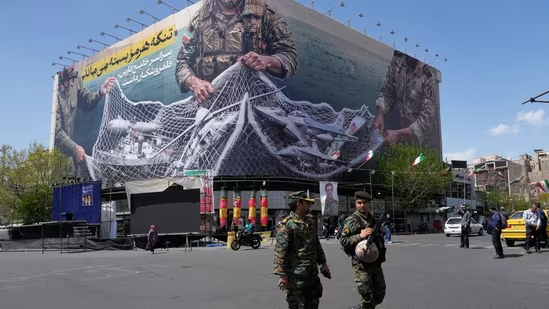
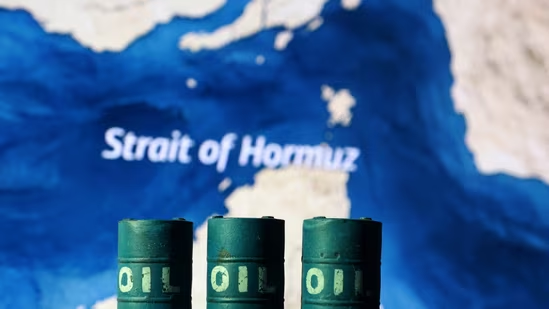
Iran’s central military command announced on Saturday that it would resume “strict management” of the Strait of Hormuz, reversing a decision to unblock the strategic channel as part of negotiations with the US.
In a statement shared on state television, the military command said that Washington had broken a promise by continuing its naval blockade of ships sailing to and from Iran’s ports.
Until the United States restores freedom of movement for all vessels visiting Iran, “the situation in the Strait of Hormuz will remain strictly controlled,” the statement said.
The fresh announcement came the morning after US President Donald Trump said that the American blockade “will remain in full force” until Tehran reaches a deal with Washington, including on its nuclear program.
Iran’s Friday announcement about the opening of the crucial body of water, through which 20 per cent of the world’s oil is shipped, came as a 10-day truce between Israel and the Iranian-backed Hezbollah militant group in Lebanon appeared to hold.
But later on Friday, when Trump was asked by a reporter what he would do if there’s no deal when a ceasefire with Iran expires next week, Trump said, “I don’t know. Maybe I won’t extend it, but the blockade is going to remain. But maybe I won’t extend it, so you’ll have a blockade, and unfortunately, we’ll have to start dropping bombs again.”
However, Trump also told reporters that, “I think it’s going to happen,” referring to a deal.
Control over Strait of Hormuz is key for Iran
Control over the strait has proven to be one of Iran’s main points of leverage and prompted the United States to deploy forces and initiate a blockade on Iranian ports as part of an effort to force Tehran to accept a Pakistan-brokered ceasefire to end almost seven weeks of war that has raged in the region since the US and Israel began bombing Iran on February 28.
The US Central Command said on X that the US forces have sent 21 ships back to Iran since the blockade began on Monday.
The conflict over the chokepoint threatened to deepen the energy crisis roiling the global economy, as oil prices fell again on Friday amid hopes that the US and Iran were drawing closer to an agreement. Roughly one-fifth of the world’s oil passes through the strait, and further limits would squeeze already constrained supply, driving prices higher once again.
Data firm Kpler said movement through the strait remained confined to corridors that require Iran’s approval.