
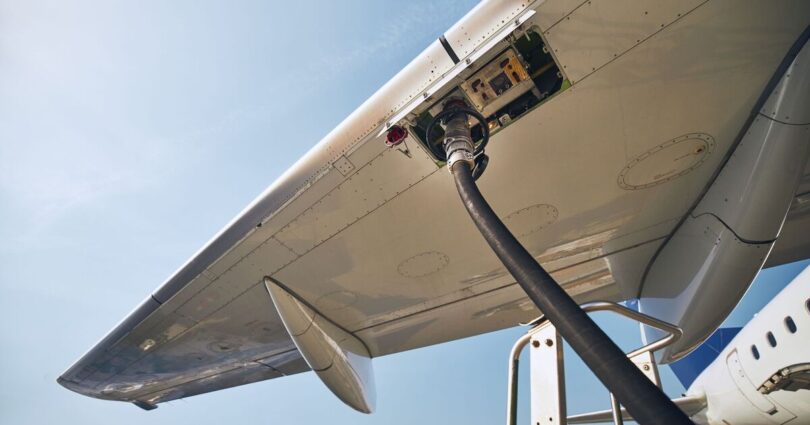
The jet fuel shortage warning, which is feared to prompt flight cancellations in Europe by next month, has been described as “sobering”. Willie Walsh, the director general of the International Air Transport Association (IATA), said flights in Europe could be cancelled from the end of May as supply lines are disrupted by the war in Iran.
Mr Walsh said cancellations have already become an issue in Asia in his warning on Friday, April 17. He said: “The IEA’s assessment of potential jet fuel shortages is sobering. We have also estimated that by the end of May we could start to see some cancellations in Europe for lack of jet fuel. This is already happening in parts of Asia.
“Along with doing everything possible to secure alternative supply lines, it’s important that authorities have well-communicated and well-coordinated plans in place in case rationing becomes necessary, including for slot relief.”
He told AP: “In the past there was a group called Dire Straits. It’s a dire strait now, and it is going to have major implications for the global economy. And the longer it goes, the worse it will be for the economic growth and inflation around the world.”
He added that “everybody is going to suffer” without the permanent reopening of the Strait of Hormuz.
Mr Birol continued: “Some countries may be richer than the others. Some countries may have more energy than the others, but no country, no country is immune to this crisis.”
The benchmark price of European jet fuel has surged from $831 (£614) per tonne at the start of the war to $1,838 (£1,387) at the beginning of April.
Last month, Mr Birol warned that the energy crisis would worsen in April as oil supply constraints worsen. He said: “In April, there is nothing. The loss of oil in April will be twice the loss of oil in March.”
He also warned that shortages could spread beyond aviation fuel, saying: “On top of that you have LNG and others. It will come through to inflation, I think it will cut economic growth in many countries, especially emerging economies.”
“In many countries the rationing of energy may be coming soon.”