
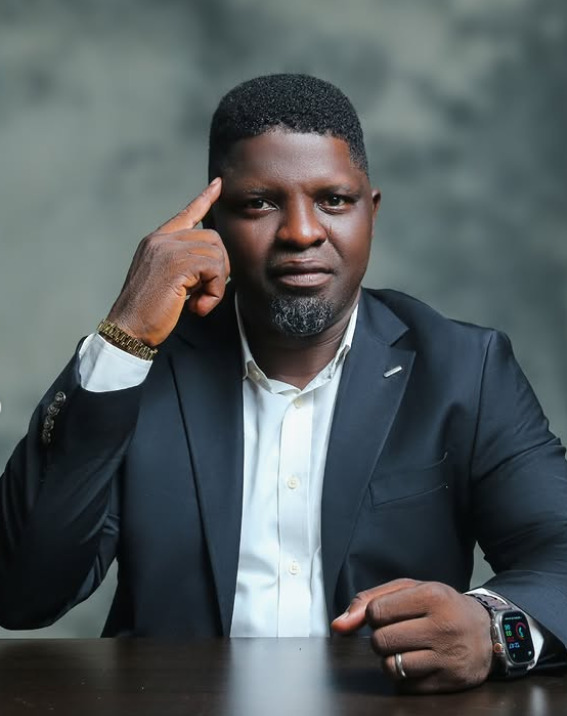
Kano Pillars coach, Daniel Ogunmodede, has called for stronger partnerships between Nigerian universities and football clubs to provide students with practical experience and help strengthen professionalism in the country’s sports industry.
Sports247 reports that Ogunmodede appealed on Thursday while speaking at the 54th National Conference of the Nigeria Association for Physical, Health Education, Recreation, Sports and Dance (NAPHAR-SD) held at Bayero University, Kano.
The experienced coach stressed that football clubs could serve as important practical training grounds for university students, allowing them to work directly alongside coaches, physiotherapists, fitness trainers and other sports professionals.
According to Ogunmodede, students studying relevant disciplines could contribute meaningfully to football clubs through areas such as physiotherapy, sports science, fitness training and other technical aspects of sports.
He argued that exposing students to the practical side of sports management would help bridge the gap between classroom knowledge and professional practice while contributing to the overall development of Nigerian football.
The Kano Pillars coach also raised concerns about the challenges faced by footballers after retirement, noting that many former players struggle to remain connected to the sports industry or secure meaningful employment once their playing careers come to an end.
He therefore urged universities to provide athletes with relevant education and skills throughout their playing careers, enabling them to remain productive and potentially transition into other areas of the sporting industry after retirement.
Chairman of the occasion and Vice-Chancellor of the Federal University of Education, Kontagora, Professor Faruk Rashid Haruna, backed the call for stronger institutional collaboration.
Haruna urged universities, football clubs and sports councils to establish structured partnerships, tasking Departments of Kinetics and Health Education with taking the lead.
He emphasised the importance of developing athletes through scientific and evidence-based methods rather than relying on chance, a practice he noted remains common in parts of Nigeria.
Reacting to the submissions, Chairman of the Sports Consultative Committee, Bayero University, Kano, Professor Abdullahi Darki, described the recommendations as timely.
Darki disclosed that the university is currently developing a sports policy and assured participants that the proposals presented by Ogunmodede would be considered as part of the policy development process.
The discussions highlighted the growing need for stronger links between Nigeria’s academic institutions and professional sports organisations to develop athletes, sports professionals and administrators for the long term.