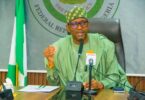


The President and Head Coach of Utility Sports Football Club, Lawal Abiodun, has called for a comprehensive restructuring of Nigerian football, insisting that the recent Nigeria Premier Football League (NPFL) reforms announced by the National Sports Commission (NSC) can only achieve lasting success if deeper issues affecting the domestic game are addressed.
Reacting to the development in a chat monitored by Sports247, the football administrator and Chief Executive Officer of Utility Pro Scouting Management Agency applauded the proposed reforms, particularly the planned increase in players’ remuneration.
However, he cautioned that the initiative could place significant financial pressure on privately owned clubs unless government introduces sustainable support mechanisms.
“The pay-rise idea is okay, but it will put a lot of pressure on privately owned teams because many of them may not be able to afford it,” Abiodun said.
He identified poor football administration and inadequate government support as major obstacles to the growth of the domestic league, stressing that grassroots football has suffered from years of neglect.
“Our problem is the lack of seriousness from our football administrators. Most of our clubs are state-owned, yet government support is inadequate. At the grassroots level, there are virtually no grants or financial provisions to help clubs develop.”
Abiodun argued that football should be managed as a commercial enterprise rather than merely a recreational activity, noting that the sport has evolved into a multi-billion-dollar industry across the world.
“We have to treat sports, especially football, as a business-oriented venture, not child’s play. Football is a multi-billion-dollar business globally, but Nigeria has yet to maximize its enormous potential.”
The Lagos-based club owner also questioned the financial accountability of government-owned clubs, calling for greater transparency in the management of public funds invested in football.
He further urged the government to create incentives that would encourage private investors to establish and sustain football clubs, explaining that stronger private ownership would create employment opportunities for young people while accelerating talent development across the country.
Abiodun recalled the former League Management Company’s incentive programme, which rewarded clubs for fielding young players, describing it as one of the practical policies that contributed positively to player development.
According to him, Nigerian football requires a holistic reform that prioritises accountability, sustainable funding, grassroots development, and private-sector participation.
He believes such measures will not only strengthen the NPFL but also position Nigerian clubs to compete favourably with their counterparts across Africa while producing more quality players for the Super Eagles.