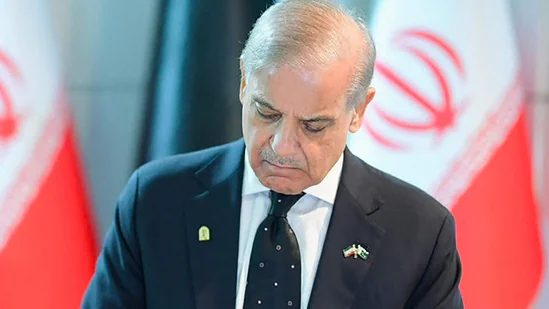
Pakistan Prime Minister Shehbaz Sharif on Thursday warned of a risk to the national economy amid renewed conflict in West Asia.
He directed authorities to maintain full preparedness to tackle potential challenges caused by prevailing uncertainty in the region.
Sharif chaired a meeting to review the impact of regional tensions on the national economy, as the security situation deteriorated in the wake of ongoing attacks between the US and Iran.
According to a statement by the PM Office, a report on austerity and cost-cutting measures was presented during the meeting.
Also read | ‘Hold Pakistan responsible’: India’s global appeal over use of force against PoJK protests
It stated that the prime minister “directed that, given the prevailing uncertainty in the region, full preparedness must be maintained to tackle any potential challenges”.
“There is a risk that the national economy could be adversely affected by the consequences of escalating regional tensions,” he said.
Sharif acknowledged the public’s significant contribution to the previous austerity drive and expressed his heartfelt gratitude for their support. The drive was launched in March following the conflict between the US and Iran, which began in late February.
Also read | Iranian oil tankers signal Pakistan as next stop in unusual move amid US blockade
“Just as the public extended its full support during the previous austerity drive, a culture of frugality must now be adopted at the national level,” he said.
Sharif said the national economy is currently stable and a comprehensive strategy would be formulated to ensure timely measures if the need arose.
“Timely and effective government strategies ensured the optimal management of the country’s fuel supply situation,” he said, referring to the measures taken to tackle the fuel prices after the war began in West Asia.
He commended the public’s strong cooperation with the national campaign to conserve petroleum products and energy.
The prime minister added that the government provided protection to the common man, motorcyclists, rickshaw drivers, and transporters and the impact of rising fuel prices was effectively mitigated through government-provided subsidies.
Taking note of claims about fuel shortage, he said strict action must be taken in coordination with provincial governments against those creating artificial shortages of petroleum products.
The meeting was briefed that ample stocks of petroleum products are available to meet national requirements, and their future supply has been ensured.