
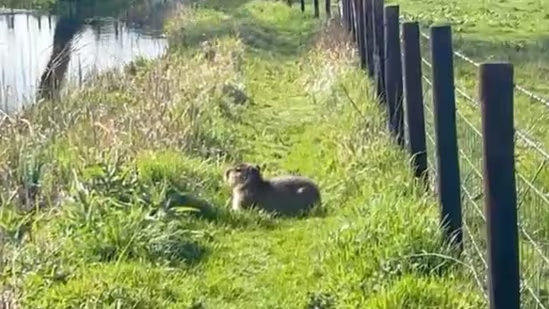
Claudie Paddick was walking her dogs along the River Itchen, a pristine chalk stream about 70 miles southwest of London, when she spotted what looked like an injured deer.
She got closer. It wasn’t a deer.
Paddick took out her phone to begin recording. Her black Labrador, Growler, started barking. The animal hopped into the river, and vanished.
“I was literally like, ‘What the hell is that?’” she recalls of the mystery March meeting.
Paddick, a lawyer who moved her family from London to bucolic Hampshire nearly two years ago, sent the clip to her neighbors. They recognized the creature immediately; it was all over their social-media feeds.
Her name was Samba, and she was a 9-month-old capybara—a 100-pound semiaquatic rodent native to South America—who five days earlier had shimmied out of a small gap in her fence at the local Marwell Zoo while her keepers took a break for a cup of tea. Her sister Tango also escaped.
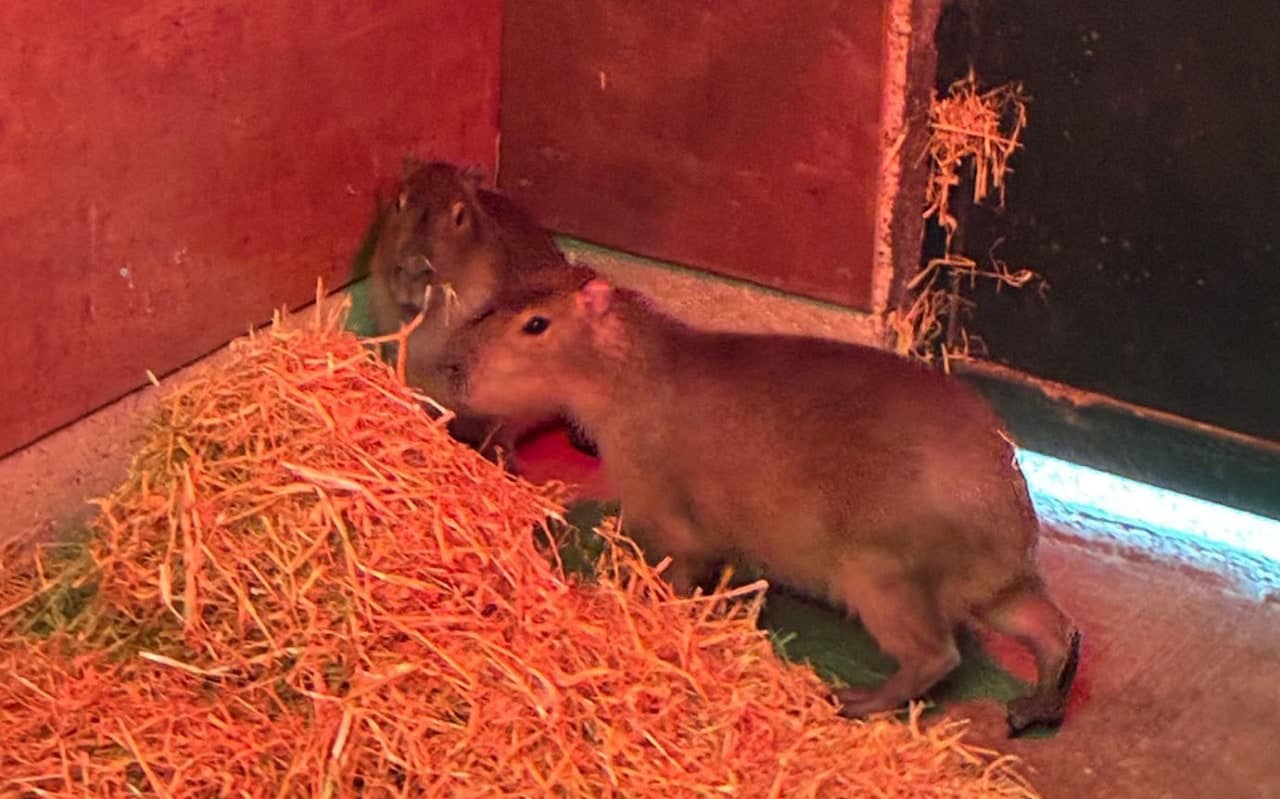
While zookeepers immediately found and recaptured Tango, Samba is still on the loose.
Paddick and her children, Sid and Minnie, are among thousands of Hampshire residents caught up in the dragnet, which has pulled in drone pilots, schoolchildren and the local airport.
“Everyone’s gone mad for the capybara,” Paddick says.
In the days after Samba’s escape, Marwell Wildlife CEO Laura Read snapped into action. She set up a dedicated, 24-hour capy-hotline, capable of responding to Samba sightings with a team of 20 on-call zookeepers.
“If they get a call at 2 a.m., they get a call at 2 a.m.,” says Read.
Sightings are uploaded to an online map. Pins have been dropped everywhere from a local golf course to the prehistoric megaliths of Stonehenge, 30 miles away.
Along the river, the zoo has added AI-powered wildlife cameras—originally built to track animals on the African savannah—to instantly flag movement. Zookeepers then pivot to old-fashioned tracking, braving thickets of brambles and stinging nettles in search of footprints.
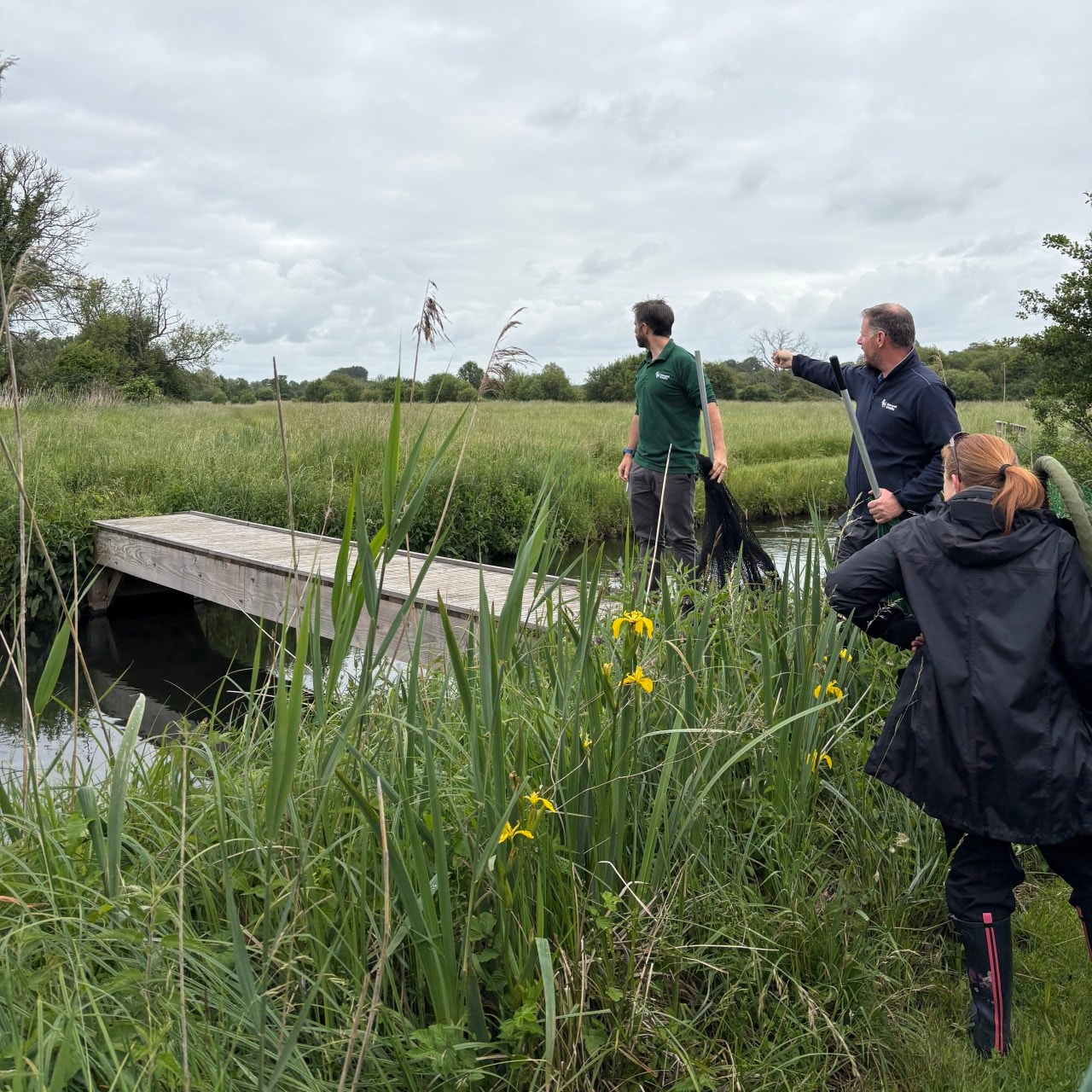
“It’s almost like what you would do if you were looking for a missing child,” Read says.
The hunt hasn’t always yielded accurate results. Five days after Samba’s escape, around dawn, a team of 20 zookeepers descended on a bush in the local woods, following a sighting. They formed a circle and brandished nets.
But instead of Samba, a startled muntjac—a small deer—darted out of the undergrowth.
With the official search effort making slow progress, some locals have taken matters into their own hands.
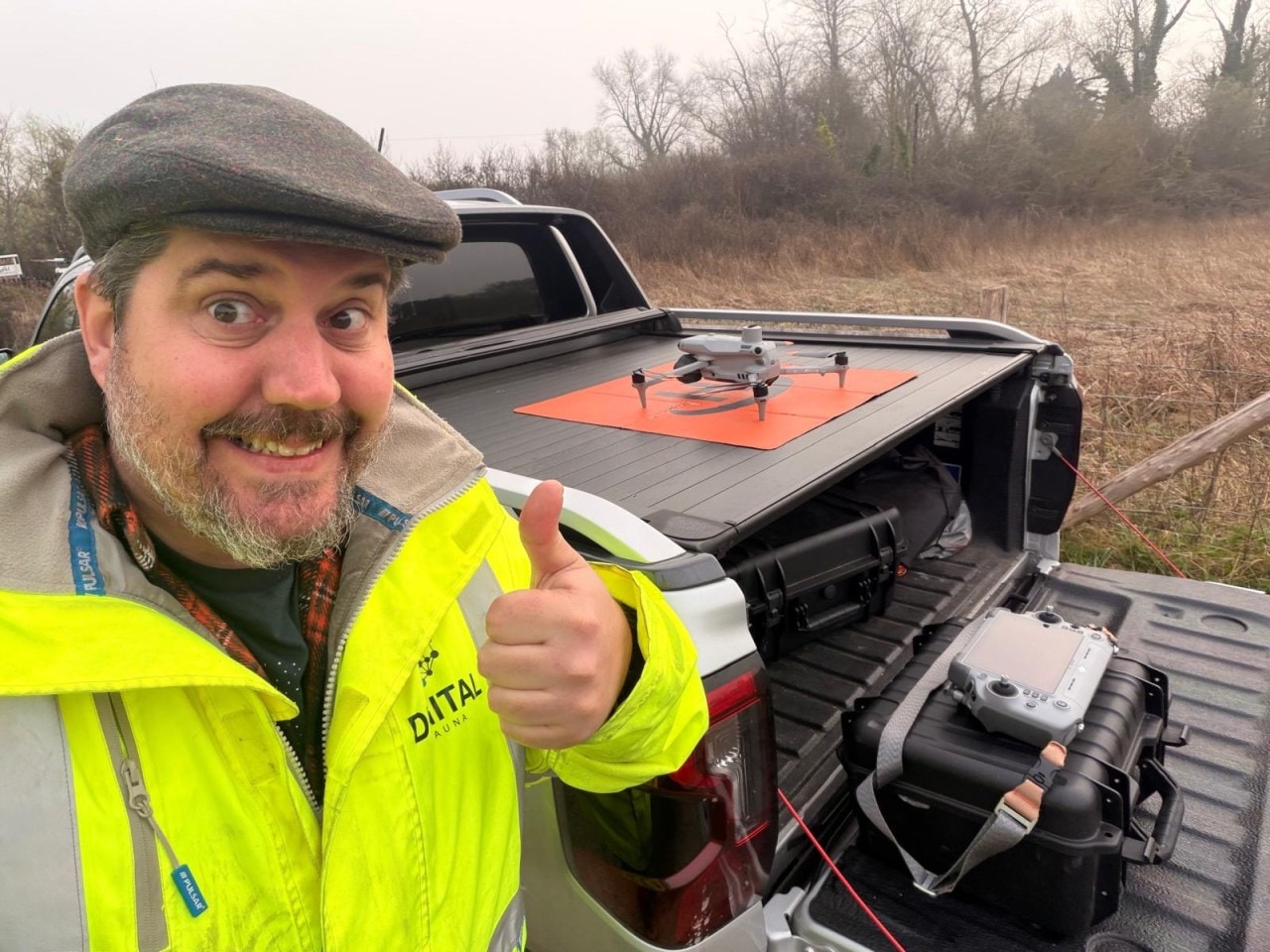
Glenn Moores, the founder of a drone company specializing in thermal wildlife surveys, has visited Marwell Zoo since childhood. It occurred to him that his experience tracking deer and bird populations might lend itself to hunting a capybara.
“Everyone’s child was distraught,” he says. “And I thought, ‘Well, I’m sure I could find a capybara.’”
Moores and a volunteer team from nearby University of Southampton have been flying drones fitted with thermal imaging cameras up and down the six-mile stretch of river where Samba is believed to be hiding out. The university team previously monitored snow leopard populations in Kazakhstan.
Moores has taken his drones out as many as 30 times, mostly at night and in the early morning, when thermal imaging works better—and the capybara, a crepuscular species, is most active.
It all requires careful coordination with air-traffic control at Southampton Airport, since its flight path is directly over Samba’s river.
“We’ll say, ‘OK, we’re going to fly the drone in this area,’ and they’ll say, ‘Can you land for 10 minutes? I’ve got a 6:45 plane from Edinburgh landing,’” Moores says.
The search for the rogue rodent has also inspired amateur trackers. Will Walker, the zoo’s head of animals and plants, met a father and son along the riverbank who’d driven hours to join the search. The 8-year-old boy brought the wildlife camera he’d received for his birthday—and a bag of carrots.
Children in local village schools have formed search parties. They’ve also written poems about Samba’s journey and held a school assembly in her honor.
On social media, people have gotten even more creative, photoshopping capybaras into Southampton destinations like pubs, shopping malls and the local soccer club’s stadium. In response to an image of the rodent working on a laptop in a preschool classroom, one user commented: “Amelia has just screamed in excitement that it’s in the class.”
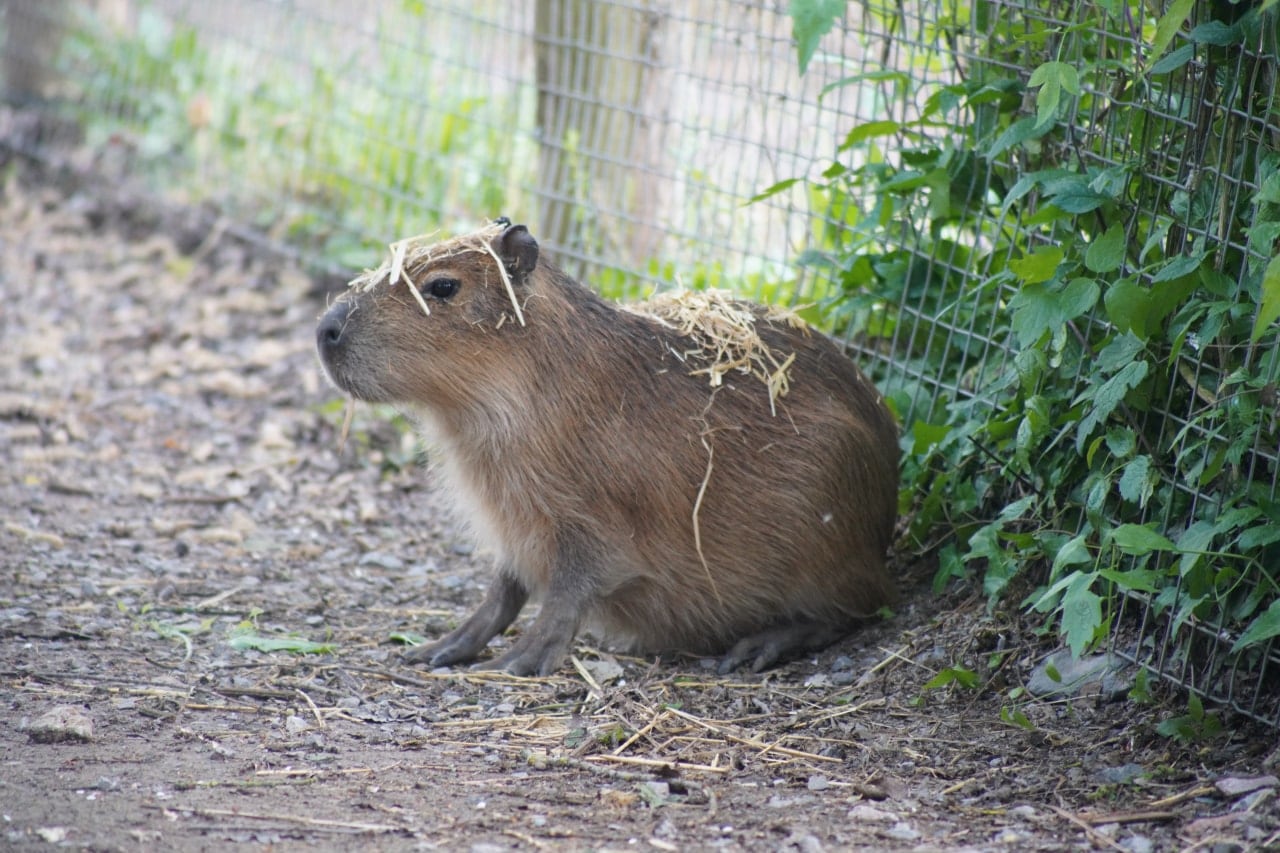
Some locals think the capybara is thriving in her newfound independence, enjoying the hot summer from thick Hampshire brambles.
It wouldn’t be the first time. Older residents and long-serving zoo staff remember another capybara that evaded capture for more than two months along the same stretch of river. She was safely returned 30 years ago.
Back then, zookeepers didn’t have the benefit of drones or trail cameras. “It’s incredible that it was even found,” says Walker.
Three months in, Samba has already outlasted the former fugitive.
Recalling his first impressions of Samba and Tango, Walker says the sisters were settling in well to zoo life: “Didn’t seem like they were going to be too much of a handful.”
Write to Julia Amann at julia.amann@wsj.com