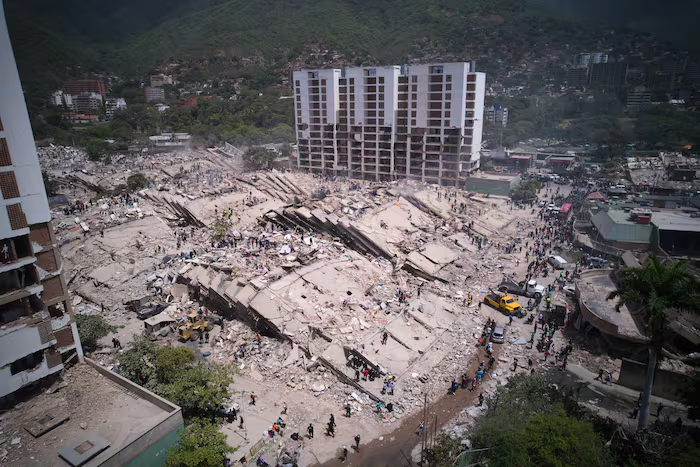
The aftermath of the double earthquake, recording magnitudes of 7.2 and 7.5 respectively, on Wednesday in the South American nation of Venezuela is one of country’s worst natural disasters in over a century.
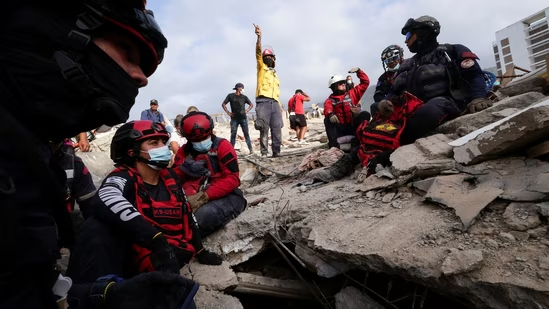
As aid pours from other countries and international relief organisations, victims of the disaster take it in their own hands to rescue those trapped under the rubble.
The current death toll reportedly stands at 920, while thousands remain missing as search and rescue operations continue in the disaster zone.
The government said 172 people remained trapped, 3,360 injured after the ‘doublet’ quakes rocked parts of Caracas and surrounding areas on Wednesday evening. More than 50,000 people were reported missing.
Venezuelans step up
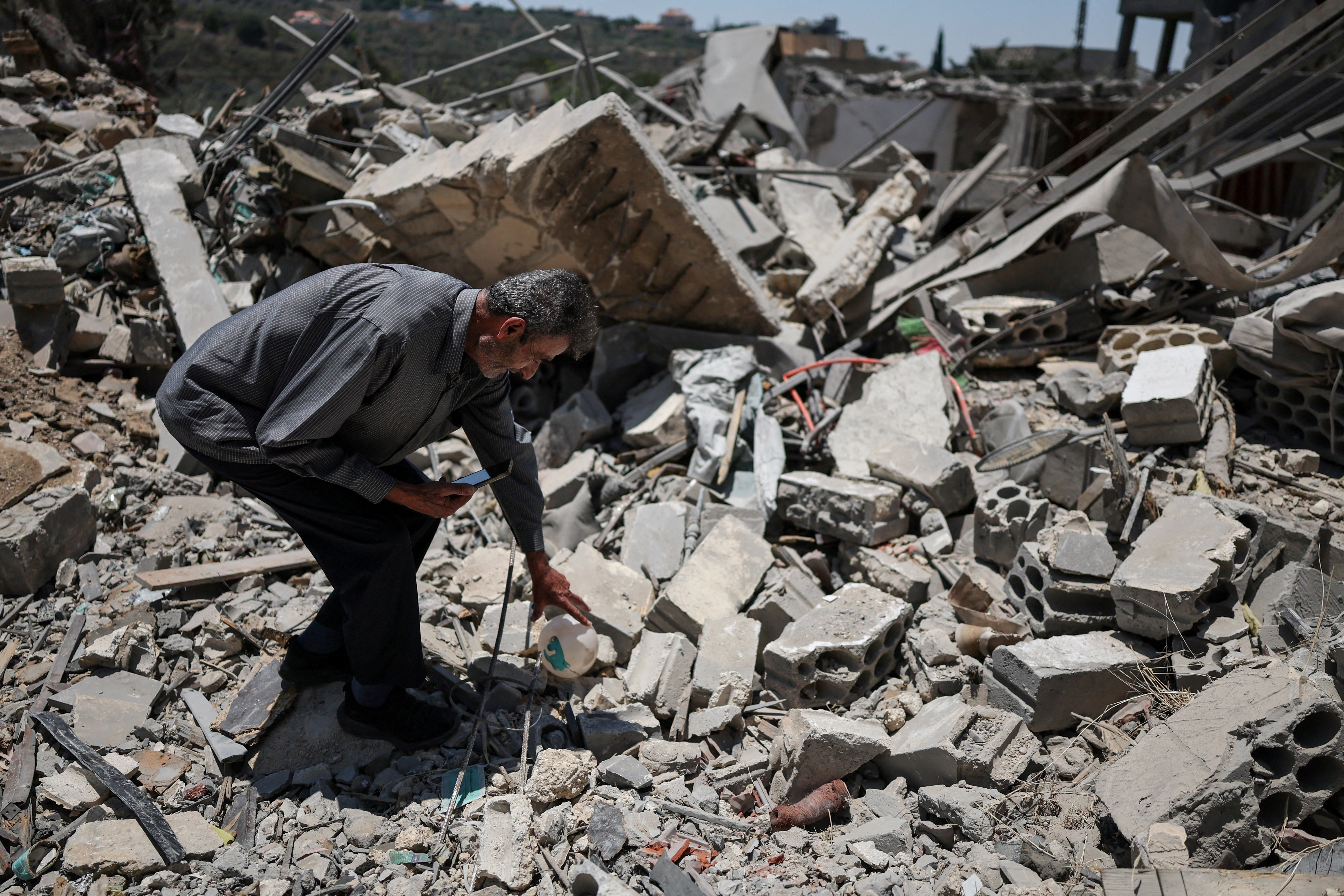
Despite relief measures being undertaken on a global level to provide aid to the region, Venezuelans have complained of a slow response to the matter, with many people deciding to join the rescue and search efforts. Survivors are now banding together in groups to use the bare hands to dig through the rubble and retrieve their loved ones.
“I am looking for my little Gael… he was only five months old,” AFP news agency quoted as saying Marjosly Salazar, 40, whose 16-year-old daughter died in the quake. The baby and Salazar’s cousin are both missing. “Please, we need support here. We need machinery to start lifting the columns. We haven’t seen any government officials here, none at all.”
Also Read I Venezuela quake toll reaches 900, search intensifies for hundreds trapped
The first 48 to 72 hours are usually considered the most critical to retrieve people, post which time the chances of retrieving people become slim, except in cases where they may have access to food and water.
“Unfortunately, the collapse is total, and there is little chance of finding survivors. Efforts are now focused on recovering the bodies of the deceased,” rescue team leader Nadiomar Polanco told AFP at a crumbled residential complex in La Guaira, the worst hit state in the region
Rescue efforts conducted by civilians faced a further blockade on Friday night when authorities announced restricted access to the disaster zone, citing chaos, traffic and noise as impositions to volunteer effort in the region. Official permits would be required for those seeking entry, despite little information on the criteria for the same.
People have started lining up outside grocery stores, pharmacies and food trucks to gather essential supplies. Some have even resorted to raiding basic goods like toilet paper and food from stores, such as in Catia La Mar- a community adjacent to the airport.
Despite the limits, people continue to attempt cutting through slabs of concrete with sledgehammers and power tools. “My God, how are we going to get them out of there?” murmured Nazareth Jimenez as she saw neighbours trying to rescue a loved one.
“We’re making a call for help to the government and countries across the world,” she said requesting for better infrastructural support. “There are still people alive in there.”
Also Read I Magnitude 6.7 earthquake in the Philippines, a day after Venezuela tragedy
International aid pours in
Venezuelan authorities said on Friday that 861 international volunteers from Mexico, the US, El Salvador, Switzerland, Colombia and beyond were working in Venezuela, with many more expected to arrive in the coming days. About 1,000 emergency responders in 25 search and rescue teams from around the world are on their way, the UN revealed.
Venezuela’s President, Delcy Rodriguez, has reportedly been in touch with US President Donald Trump and Secretary of State Marco Rubio to secure aid measures. A social media post from the US South Command reveals a list of relief currently being provided by the country.
The agency’s Maj Gen Kevin J Jarrard and Chargé d’Affaires John M Barrett reportedly met with President Rodríguez and other senior leaders to coordinate relief efforts in Venezuela.
In addition, UN humanitarian agency OCHA revealed the search and rescue teams from at least 17 countries were being mobilised to continue operations in the region. Spanish, Salvadoran, Swiss, Colombian, and Mexican rescue teams were already on the ground.
Also Read I After Venezuela’s deadly earthquakes, lessons from Japan, Chile and Mexico in earthquake preparedness
Rodriguez took over Venezuela’s administration following the removal of former President Nicolas Maduro by US armed forces. This latest tragedy is just the latest addition to a string of economic challenges being faced by her administration.
India, China, Brazil and even war-battered Iran have offered help, while Pope Leo XIV has sent an initial 1,00,000 euros in aid to the country.
UN chief Antonio Guterres said he was “deeply saddened” by the disaster as the global body vowed to assist Venezuela.