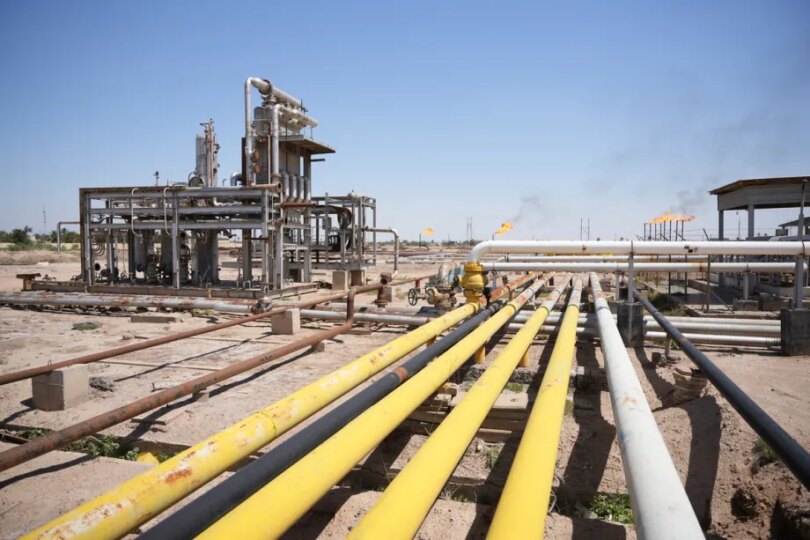
Iraq’s Oil Ministry denied claims that Baghdad is threatening to withdraw from OPEC, after Bloomberg reported on Thursday that the country could eventually reconsider its membership if its production quota is not raised, Anadolu reports.
The ministry said in a statement that claims Iraq is threatening to end its membership in the Organization of the Petroleum Exporting Countries do not reflect the official position of the Iraqi government.
Neither the prime minister nor the government has raised the issue of withdrawal, the ministry said.
Rather, Iraq has consistently emphasized the need to reassess production ceilings in line with the sustainable production capacities of member states, as well as understandings related to Iraq’s security and economic situation, it added.
Bloomberg earlier reported, citing Oil Ministry spokesman Salim Al-Rikabi, that Iraq has no current intention of leaving OPEC and remains committed to working within the group’s framework and mechanisms.
However, Iraq is moving forward with plans to increase production in line with its capabilities and needs, and OPEC should raise the country’s production level accordingly, Al-Rikabi was cited as saying.
READ: AD Ports launches Iraq logistics corridor linking Gulf with Turkiye, Europe
The ministry said OPEC and allied producers had already responded to such concerns by launching a process to reassess members’ maximum sustainable production capacity, in coordination with an independent international consulting firm and with Iraq’s active participation.
It added that OPEC and its allies have begun gradually restoring reduced production levels, while the full resumption of voluntary cuts is scheduled for the coming months, a move expected to strengthen Iraq’s production ceiling.
The ministry said demands related to production ceilings or capacity levels would be handled through technical and consensus-based mechanisms within the OPEC+ framework.
It also said member states have shown a high level of understanding of Iraq’s “special situation,” citing the impact of more than 40 years of wars, embargoes and infrastructure damage, including terrorist sabotage attacks on oil facilities.
These conditions should be taken into account to allow Iraqi oil output to reach a fair level and enable the country to regain its position as the second-largest producer among OPEC member states, the ministry said.
Bloomberg noted that OPEC and its partners have commissioned a review of how much each member can technically pump, with the results expected to help determine output targets for 2027.
OPINION: Energy diplomacy in the age of Artificial intelligence: Will algorithms replace OPEC?