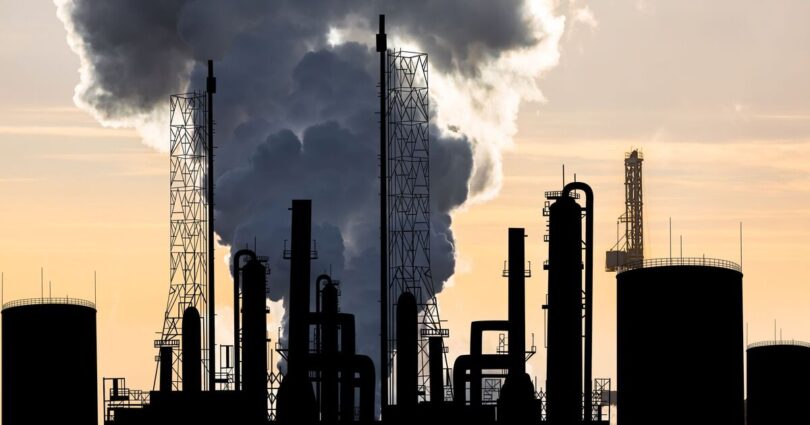
Vladimir Putin’s war in Ukraine has suffered another major blow after it was revealed that a major oil refinery will remain out of action until at least the start of 2027, following repeated Ukrainian drone strikes this month. The Gazprom Neft-operated facility, just south of Moscow, was first attacked on June 16, when a distillation unit that accounts for 53% of the refinery’s capacity was reportedly damaged.
A second attack just two days later is believed to have damaged a more modern Euro+ unit that accounts for the other 47%. “It will take at least half a year to repair,” an industry source said of the damage to the Moscow refinery. The plant processed 11.6 million metric tons of oil in 2024, producing 2.9 million tons of gasoline and 3.2 million tons of diesel, according to Reuters. This comes amid Ukraine’s ramping up of attacks on Russian oil refineries and supply lines since the spring. Russia has been forced to scale back production, leading to fuel rationing in some regions.
Russian officials have not publicly commented on the damage to the Gazprom Neft-operated facility.
As a result of the drone strikes, the average price of gasoline in Russia has climbed 6.6% since the start of the year, with a single-week jump pushing national averages to 69.11 rubles per litre (£3.20 per gallon) as of June 15.
Deputy Prime Minister Alexander Novak said on Tuesday (June 23) that the situation in the domestic fuel market was “challenging but under control,” noting that a total ban on diesel exports is now being considered alongside existing restrictions on gasoline and jet fuel exports.
Gazprom Neft is the third-largest oil producer in Russia and the oil-focused subsidiary of the state-owned energy giant Gazprom. Headquartered in Saint Petersburg, it is one of Russia’s largest state-backed corporate entities and directly finances the Kremlin’s war budget and military operations. Due to its role in sustaining the invasion, the company has been heavily targeted by Western sanctions, which have isolated it from global financial markets and forced it to sell off its foreign assets.
Earlier this month, a huge Russian oil depot in Kapotnya – described as the largest in Moscow and located 14 miles from the city centre – was struck by Ukrainian drone debris. Anton Gerashchenko, former advisor to Ukraine’s Internal Affairs Minister, said: “An oil refinery in Kapotnya, Moscow, Russia, is burning after a drone attack.”
The Russian leader on Tuesday described the Ukrainian strikes as a ploy to “destabilise society”. Mr Putin said: “Russia, however, as has been stated repeatedly, is ready for peace negotiations with Ukraine. It is ready to proceed on the basis of the agreements reached back in Istanbul, agreements which, I would remind you, were initiated at the time by the Ukrainian delegation.
“That means they were satisfied with them. And I see no grounds for us to depart from those agreements.”