
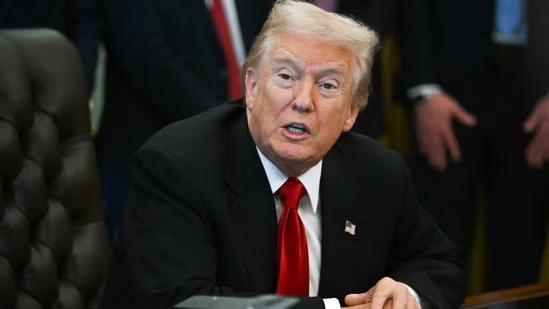
Becoming a United States citizen could become considerably more expensive if a new proposal from the Trump administration is ultimately approved.
The rule, released for public comment on Monday, represents a significant change in federal policy as it seeks to align naturalization fees with what the Department of Homeland Security describes as the “full costs” of processing applications.
This includes enhanced screening and vetting measures introduced under recent executive orders, reported Newsweek.
Concerns over citizenship costs
The changes would impact hundreds of thousands of lawful permanent residents annually.
Critics warn that it could make the path to citizenship more difficult for lower-income applicants and place a greater share of U.S. Citizenship and Immigration Services’ operating expenses directly on those seeking naturalization.
“While USCIS is largely a fee-funded agency and must recover its operational costs, substantially increasing naturalization fees risks turning citizenship into a benefit that is less accessible to those of modest means,” Adam Klein, a former Department of Homeland Security official and co-founder of Globali.ai told Newsweek
Also read: H-1B visa news: Why employers continue to face hardships despite almost 98% annual approvals
He also highlighted the broader implications of naturalization and the potential impact of increased fees.
“Naturalization has historically been encouraged as a matter of public policy because citizens tend to experience greater economic mobility, civic participation, and long-term integration. Higher fees could undermine those goals,” Klein added.
Proposed citizenship fee hike
According to the rule posted on Monday in the Federal Register, the cost of applying for U.S. citizenship would increase by 75%. The proposal outlines that it would not take effect for at least 60 days after being posted, as it must first go through a required public comment period.
In the draft rule, the Department of Homeland Security proposes raising the general paper filing fee from $760 to $1,330. This represents an increase of $570, which amounts to a 75% rise in the current application cost.
Also read: H‑1B visa: How much Indian workers earn in US? New report offers stunning details
The fee for requesting reconsideration before an appeals board would also see a sharp rise, increasing from $830 to $1,475 under the proposed rule — a jump of $645, or about 77.7%, according to the draft.
DHS defends fee changes
A DHS official told Newsweek that the proposed changes are part of a routine adjustment to fee structures, arguing that the current charges do not fully cover the cost of processing applications.
The official further stated that naturalization is considered “the most significant” immigration benefit that can be granted to an immigrant.