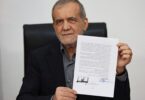
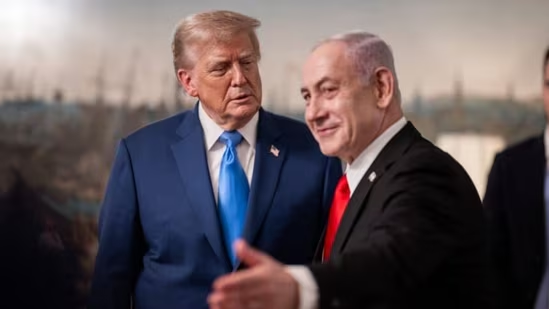
Israeli Prime Minister Benjamin Netanyahu is not giving up influencing the final US-Iran agreement, even after US President Donald Trump signed a memorandum of understanding (MoU) with Tehran and kicked off a 60-day negotiation process. Track live updates here
Netanyahu does not trust Iran’s intentions but believes Tehran is unlikely to accept restrictions on its nuclear programme, CNN reported, citing an Israeli official. The Israeli PM has, for over the past three decades, lamented that Iran was “close” to building a nuclear weapon even after US intelligence assessments and the International Atomic Energy Agency (IAEA) proved the claims wrong.
He is now trying to influence the debate in Washington through conservative media figures and pro-Israel lawmakers, CNN reported. Pro-Israel podcaster Mark Levin on Wednesday said the deal “doesn’t make any sense” and called Iran’s reconstruction package a “slush fund.”
ALSO READ | ‘No Israel without me’: Trump slams Netanyahu’s ‘vicious’ bombardment of Lebanon at G7
Netanyahu is also expected to lean on friendly senators in Washington, CNN says. That, though, may be tough.
Some Republican lawmakers who previously supported bombing Iran have recently supported the peace deal. Republican senator Lindsey Graham, long known for advocating a hard line against Tehran, said this week that the agreement with Iran “will be beneficial to the United States.”
The Lebanon question
One of the most controversial parts of the 14-point memorandum concerns Lebanon. The agreement calls for the “immediate and permanent termination of military operations on all fronts, including in Lebanon.” It also says that both sides are committed to preserving Lebanon’s territorial integrity and sovereignty.
The document leaves several important questions unanswered. Israel is not a signatory to the agreement. The deal is between the US and Iran, while the war on Lebanon involves Israel.
The memorandum does not explain how a ceasefire would be enforced or whether Iran would be required to end its support for Hezbollah. Iran’s network of regional allies and proxy groups is also absent from the text.
ALSO READ | Iran-US peace deal signed, but war objectives not fully achieved | Where did Trump fall short?
Israel says it is not bound by the deal
Israel does not consider itself bound by the US-Iran agreement, Netanyahu reportedly told Trump, according to the Israeli official cited by CNN.
Israel has reportedly reduced some military activity in Lebanon under pressure from Washington, but Netanyahu continues to insist that security concerns come first.
On Monday, after Trump announced the peace deal, Netanyahu said threat to Israel remained also from Iran’s regional allies. “We established deep security zones around the State of Israel. We did this in Gaza, in Lebanon, and in Syria,” he said.
Israeli defence minister Israel Katz said, “Prime Minister Benjamin Netanyahu and I are pursuing a clear policy under which the [military] will remain in the security zones in Lebanon, Syria and Gaza for an unlimited period of time in order to protect the border and Israeli communities from there against jihadist elements.”
Israel bombs Lebanon after deal signing
Israeli missile strikes continued in southern Lebanon on Thursday, a day after the agreement was signed, as per local media. Israeli drone strikes killed three people, according to Lebanon’s National News Agency.