
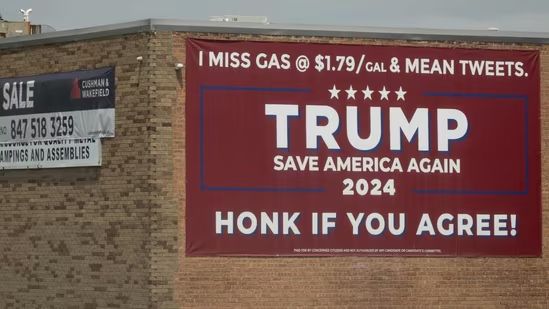
Gas prices in the US have fallen below $4 per gallon for the first time in weeks, reaching a national average of $3.99 per gallon on Thursday. The drop is coming just as the busy summer driving season begins, giving Americans some much-needed relief when many families are preparing for vacations and road trips.
Just one month ago, the national average gas price was above $4.50 per gallon during the height of the Iran conflict. Diesel prices were hit even harder during the conflict and climbed above $5.60 per gallon about a month ago, according to AAA data cited by Yahoo Finance. Energy analysts believe gas prices could continue to move lower in the coming weeks because tensions in the Middle East have eased.
Iran deal may bring more relief
Patrick De Haan, GasBuddy’s head of petroleum analysis, said fuel prices could ease in the coming weeks following the signing of an agreement with Iran and the gradual resumption of shipping traffic through the Strait of Hormuz, according to Yahoo Finance. He said the national average price of gasoline may move closer to $3.70 a gallon, while diesel prices are likely to drop below $5 a gallon in the near future. De Haan described the development as a positive sign for both motorists and industries that rely heavily on fuel transport.
Why fuel prices surged
Gasoline prices have climbed significantly over the past three months, largely tracking a sharp rise in crude oil prices. One of the key drivers behind the increase was disruption in the Strait of Hormuz, a critical route for global oil shipments. Concerns over supply intensified after traffic through the waterway was interrupted, reducing the amount of oil reaching international markets and contributing to higher energy costs, Yahoo Finance reported.
Also read : Intel stock jumps 9% after Trump says Apple will build chips with Intel in the US
Retail fuel prices often fluctuate more sharply than crude oil because they also reflect refining expenses, while inventories of gasoline and diesel are typically more limited than crude stockpiles. Oil prices began retreating after US President Donald Trump announced on Sunday that Washington and Tehran had reached an agreement on a 60-day memorandum of understanding intended to bring an end to the conflict. The deal is also expected to facilitate the reopening of the Strait of Hormuz to commercial shipping, a move that could improve global oil supplies and help ease pressure on energy markets.
Oil prices fall after agreement
Brent crude oil, the international oil benchmark, has dropped about 13% over the last five trading sessions, according to market data cited by Yahoo Finance. Brent crude is now trading below $80 per barrel for the first time since the early stages of the conflict. US benchmark West Texas Intermediate (WTI) crude has fallen even more, dropping around 15% over the same period. WTI crude is now trading below $75 per barrel.Even though prices are falling, gasoline remains more expensive than it was before the war began.
What could happen next
Despite the recent decline in prices, uncertainty still remains about exactly when the Strait of Hormuz will fully reopen and return to normal shipping operations. AAA warned that this uncertainty could prevent oil prices from falling dramatically in the near term. The organization also noted that gasoline demand usually rises during summer, which could limit how much prices decline.
Another possible risk for fuel prices is Tropical Storm Arthur, which is expected to affect the US Gulf Coast, according to Yahoo Finance. The Gulf Coast is home to the largest refinery network in the United States, making it a critical region for fuel production. Any refinery shutdowns, flooding, or storm-related disruptions could reduce fuel supplies and push prices higher again.
Gas prices could fall more this year
De Haan said that if there are no major hurricanes, refinery outages, or other unexpected disruptions, fuel prices could continue falling for the rest of the year. Under that scenario, the national average gasoline price could fall below $3 per gallon by the end of 2026, according to Patrick De Haan of GasBuddy. Diesel prices could also drop below $4 per gallon by year-end if market conditions remain stable and supply chains continue improving.
Overall, falling oil prices, easing tensions with Iran, and the expected reopening of the Strait of Hormuz are the main reasons Americans are finally seeing some relief at gas stations.