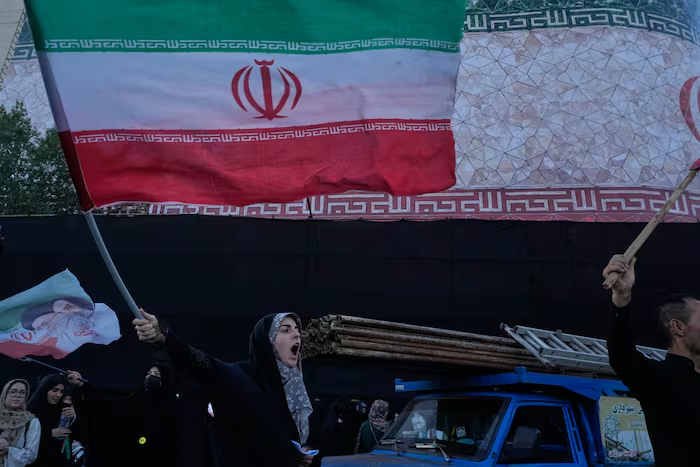
The United States and Iran say they have reached a peace agreement that will formally end the conflict after more than three months of fighting. Both sides confirmed the text has been finalised, with a signing ceremony expected in Geneva on 19 June.
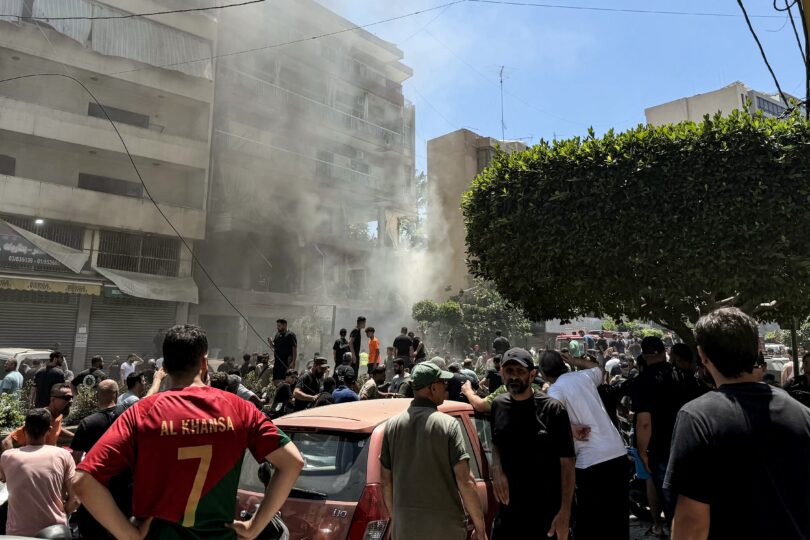
Despite the diplomatic breakthrough, Israeli strikes and Hezbollah activity continued in Lebanon, raising questions about how quickly the agreement can be implemented on the ground.
US President Donald Trump announced that the agreement with Iran is complete and said the US naval blockade imposed on Iran would be lifted immediately.
Iranian Deputy Foreign Minister Kazem Gharibabadi said the text of the Islamabad Memorandum of Understanding has been finalised and is ready for signing.
Pakistani Prime Minister Shehbaz Sharif confirmed that a peace agreement has been reached and said the formal signing ceremony is scheduled for 19 June in Switzerland.
Trump said the agreement would end the war and reopen the Strait of Hormuz to international shipping.
Iran said the deal would bring an end to fighting on all fronts, including Lebanon.
Iran’s military said the conflict ended with the United States and Israel having “no choice” but to accept the outcome of the war.
Israeli strikes hit Beirut’s southern suburbs, killing three people and wounding at least 15 despite progress towards a peace agreement.
Trump criticised the Beirut attack, saying it should not have happened while negotiations were nearing completion.
Iranian Parliament Speaker Mohammad Bagher Ghalibaf said the Beirut strike raised doubts about Washington’s ability or willingness to enforce its commitments.
Iranian President Masoud Pezeshkian said Tehran’s leadership had concluded that negotiations should continue and that diplomacy remains the preferred path forward.
Reports said US Vice President JD Vance is expected to attend the signing ceremony in Geneva.
The UK, France, Germany and Italy signalled readiness to lift sanctions on Iran as part of the emerging post-war settlement.