Thousands of Palestinians trapped beneath the rubble in Gaza may never be identified, the International Committee of the Red Cross (ICRC) has warned, citing slow recovery efforts and the large number of bodies yet to be retrieved, The Guardian reported on Sunday.
“There is no doubt that these bodies could soon become difficult to identify,” Pat Griffiths, the ICRC spokesperson in Jerusalem, told the British newspaper.
“The longer it takes for human remains to be recovered, the more difficult it can be to identify them. The longer the deceased lie beneath the rubble, the more likely they will be in advanced stages of decomposition – even skeletonised – when eventually recovered.”
“Forensic experts lose access to circumstantial evidence that can be used to corroborate their identity.”
The ICRC warned that the more time passes, the greater the risk that crucial identifying evidence, including fingerprints, dental records and personal belongings, will be lost.
CLICK FOLLOW: TO FOLLOW US
Sign up to get the latest insights and analysis on
Israel-Palestine, alongside Turkey Unpacked and other eSPORTY
Environmental conditions, such as humidity and animal activity, can erase vital clues, making it increasingly difficult for forensic experts to establish victims’ identities.
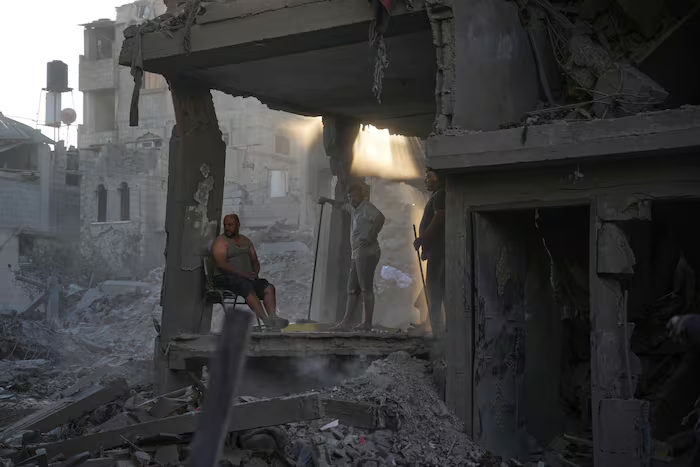
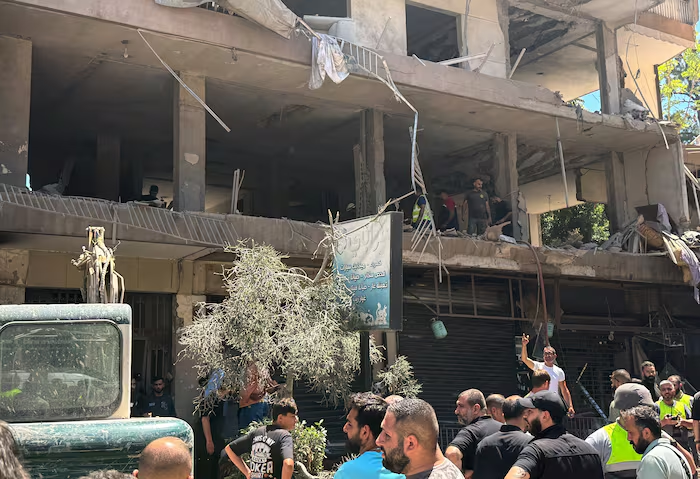
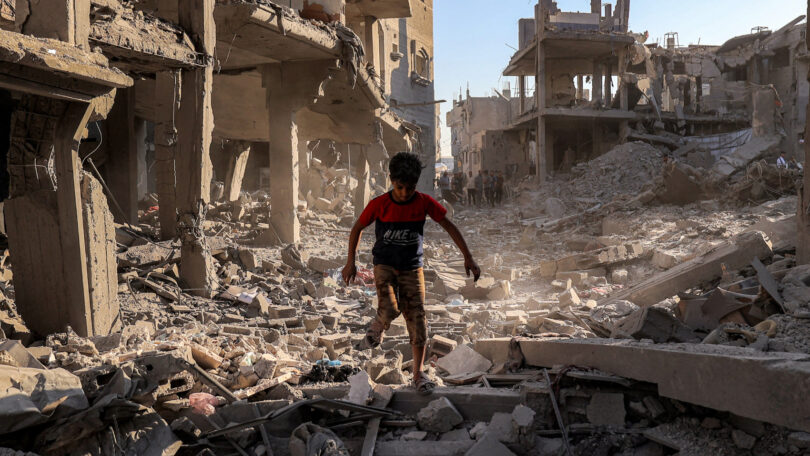
After two years of Israel’s genocidal war, Gaza is buried under 61.5 million tonnes of debris, with three quarters of the territory’s buildings having been destroyed, UN data has shown.

Residents also fear that Israeli military bulldozers operating in areas controlled by the Israeli army may be moving bodies still buried beneath the rubble, making it harder for families to locate their loved ones.
Nearly 73,000 people have been killed in Israeli attacks on the besieged Gaza Strip, which have continued despite a ceasefire that has been in place since December.
In February, the Palestinian Civil Defence said the bodies of around 8,000 people remained trapped beneath the rubble across Gaza despite extensive recovery efforts.
More than 3,000 others remain missing, with their fate unknown and it is unclear whether they are alive, dead or in Israeli detention, it added.
The UN Environment Programme said the amount of debris is 20 times greater than the total generated by all conflicts in Gaza since 2008.
Since the ceasefire, recovery efforts have been hampered by a lack of heavy machinery, forcing rescue teams to rely on basic tools such as shovels, pickaxes and wheelbarrows, as well as their bare hands. Repeated requests for Israel to allow the entry of excavators and other equipment have been denied.
“Search and recovery teams need access to all sites where human remains are thought to be located,” Griffiths said.
“We know that much of this machinery and equipment remains almost impossible to bring into Gaza right now. And it remains our call, and part of our ongoing direct dialogue with the relevant authorities, to allow the entry of these items and equipment into Gaza.”