A proposal linked to a company owned by Google’s parent firm Alphabet has triggered backlash after plans emerged to release tens of millions of bacteria-infected mosquitoes across California and Florida.
The project, led by life sciences company Verily, is seeking federal approval to release up to 32 million modified mosquitoes annually in the two states starting next year.
If approved, the two-year initiative would result in a total of 64 million mosquitoes being released into the environment.
What the project involves
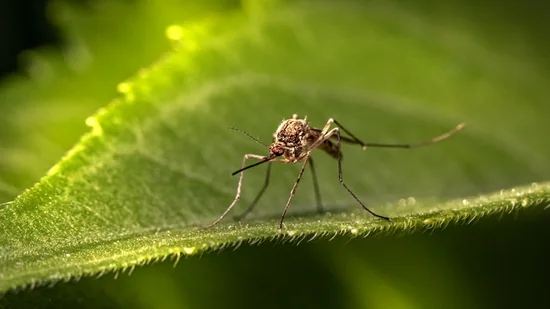
According to reports, the initiative targets Aedes aegypti, a mosquito species known for spreading diseases such as dengue fever, Zika virus, chikungunya and yellow fever.
The plan uses male mosquitoes infected with Wolbachia, a naturally occurring bacterium. Researchers say these male mosquitoes do not bite humans. When they mate with wild females, the eggs produced fail to develop, gradually reducing mosquito populations over time.
Verily’s work is part of its broader “Debug Project,” which focuses on mosquito-control technologies aimed at reducing the spread of insect-borne diseases. The approach has been studied for years and has already been deployed in limited forms in other regions.
Also Read: Corporate America Is Minting Money—and Not Just in Tech and Finance
Why the plan is facing backlash
The proposal has sparked reactions online, with critics questioning the scale and environmental implications of the project.
One user wrote: “There should be public consensus before anything like this is done. It’s dangerous.”
Others warned that the move could have unintended ecological consequences, arguing that large-scale biological interventions should not proceed without wider public scrutiny.
Some users also raised concerns about corporate involvement in environmental interventions. One post questioned: “They’re a tech company. Not an environmental group. Not a non-profit. Not a government. A tech company.”
Also Read: Tech firms aren’t just encouraging workers to use AI. They’re enforcing It.
Why Google is being mentioned
Although headlines often refer to Google, the project is being carried out by Verily, a life sciences company owned by Alphabet, Google’s parent company. The association has amplified public attention of the proposal.
The project is currently awaiting federal approval. If approved, mosquito releases could begin as early as next year in California and Florida.
Supporters of the approach argue that Wolbachia-based mosquito control has been used in various programs globally and could help reduce diseases that affect millions of people worldwide. Critics, however, continue to call for caution.