US President Donald Trump on Wednesday shared details of the ongoing negotiations with Iran, saying “things are going very well” even as he insisted that any final agreement must be “perfect” and not a “crummy” deal.
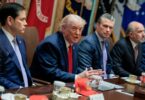
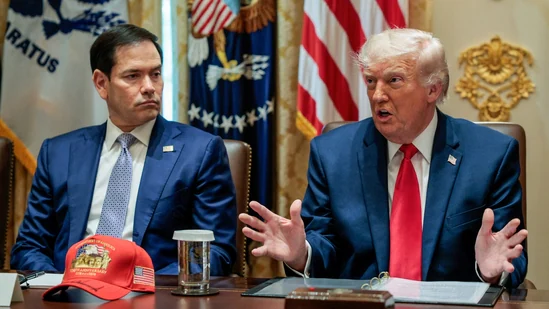
Trump addressed multiple flashpoints in the stalled talks with Tehran during a lengthy cabinet meeting at Camp David, including the future of the Strait of Hormuz, Iran’s uranium stockpile, and Washington’s broader diplomatic strategy in West Asia.
The meeting came at a sensitive moment, with fighting paused since the April 8 ceasefire but negotiations still deadlocked over key demands. Track US-Iran war news live updates.
Here are five major takeaways from Trump’s Camp David meeting:
1. Iran deal has ‘got to be perfect’
Trump made it clear that he remains unconvinced about signing an agreement unless it delivers sweeping strategic gains for the US and its allies. The president said a “good deal” with Iran was possible but stressed he wanted something stronger and more comprehensive.
“It’s got to be perfect,” Trump said. “I didn’t do this to get a crummy agreement.”
Referring to the Abraham Accords – the US-brokered agreements from his first term that normalised ties between Israel and several Arab nations – Trump said he was “requesting strongly” that more countries, including Saudi Arabia and Qatar, join the framework.
However, when asked whether an Iran deal depended on those countries signing the accords, Trump stopped short of making it an official condition.
2. Warning to Oman over Hormuz Strait control
One of the sharpest remarks from the Cabinet meeting came when Trump was asked whether he would accept a deal that allowed Iran and Oman to jointly control the Strait of Hormuz.
Trump rejected the idea outright and issued a blunt warning to Oman.
“Oman will behave just like everybody else or we’ll have to blow them up,” he said.
The president added that the waterway must remain open to all countries and insisted that “nobody can control it,” while also saying the United States would continue to “watch over it.”
Moments later, Trump appeared to soften the rhetoric, adding: “They understand that. They’ll be fine.”
The future administration of the Strait of Hormuz remains one of the biggest sticking points in the negotiations, alongside disagreements over Iran’s nuclear programme and the handling of Tehran’s enriched uranium reserves.
3. Wary of Russia or China taking Iran’s uranium
The Republican President also appeared to shut the door on a proposal that would allow either Russia or China to take custody of Iran’s highly enriched uranium stockpile as part of a peace settlement.
“That would not make me comfortable,” the US president said.
Both Russia and China maintain close ties with Tehran, and nuclear experts have previously floated the possibility of one of the two countries acting as a third-party custodian for Iran’s uranium reserves to reduce proliferation risks.
But Trump’s remarks suggested strong resistance from Washington to that arrangement.
4. Midterms won’t change his Iran strategy
The US President further dismissed suggestions that Iran could use upcoming US midterm elections to gain leverage in negotiations.
According to the president, Iranian leaders believed they could simply “out-wait” him because of political pressures at home and slipping approval ratings.
“They thought they were gonna out-wait me. You know, ‘We’ll out-wait him. He’s got the midterms,’” Trump said. “I don’t care about the midterms.”
5. Rubio says deal has made ‘some progress’
US secretary of state Marco Rubio offered a more measured assessment of the negotiations, saying there had been “some progress” in discussions with Iran and that the “next few hours and days” would provide greater clarity.
Sitting beside Trump during the meeting, Rubio reiterated, “We prefer the negotiated, diplomatic route, and we’re going to give it every chance to succeed,” Rubio said, while adding that the president had “other options” if talks fail.
The secretary of state had returned to Washington late Tuesday after a five-day trip that included visits to India and Sweden.