The self-styled “Living Nostradamus” has set out a chilling vision of how future wars could be fought, and it has nothing to do with armies, weapons or territorial conquest.
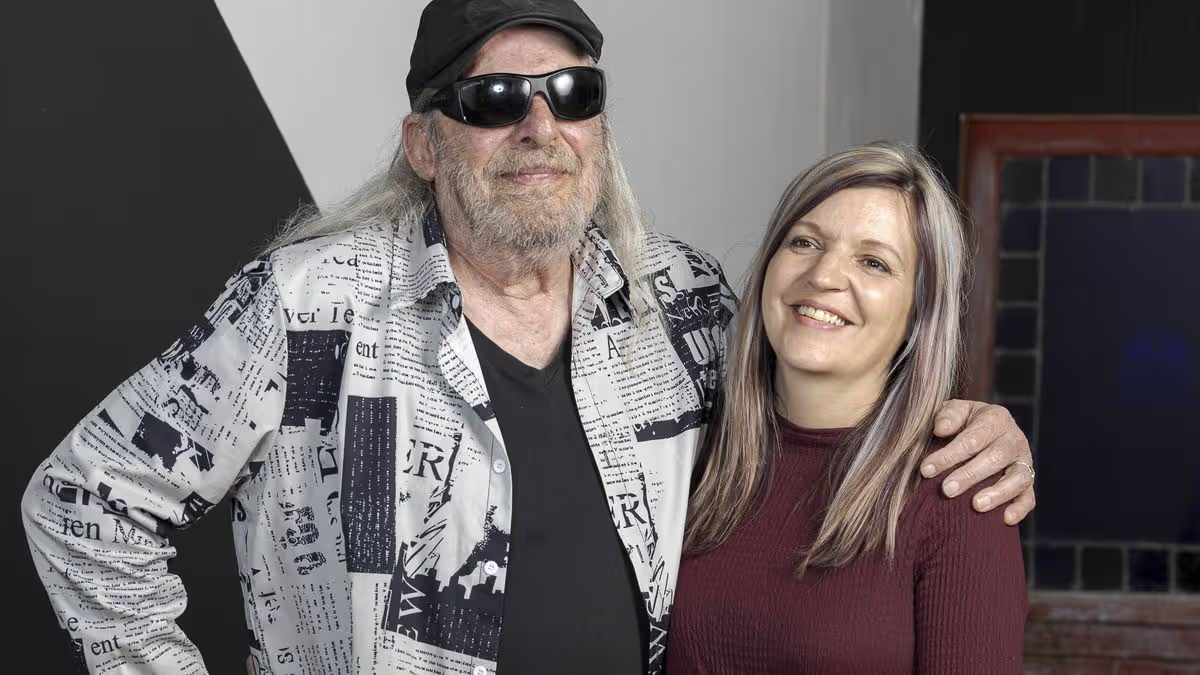
Brazilian futurist Athos Salomé, 39, who claims to have predicted Covid-19, the death of Queen Elizabeth II and cyber attacks at the Paris 2024 Olympics, said the next phase of global conflict would be fought not on the battlefield but in the invisible world of data, satellites and artificial intelligence.
What does the ‘Living Nostradamus’ predict about future wars?
Salomé predicts that warfare will shift away from “soldiers, tanks and territory” towards a new form of conflict he describes as “selective intelligence blackouts” in which enemies target the systems nations rely on to understand the world around them.
The hallmark of this new kind of conflict, he argues, would be “coordinated failures across climate forecasting systems, air defence networks, orbital monitoring and civilian communications” – attacks designed not to destroy but to deceive. In extreme cases, he warns, entire satellites could vanish from tracking systems, while radar and military AI platforms would generate false readings.
“The repercussions would be catastrophic,” Salomé said. “It wouldn’t be required anymore to annihilate a superpower — only to make it see the world in the wrong way for a few precious hours.”
Is technological warfare already happening?
The concept of high-tech conflict is not entirely hypothetical, reported Ladbible.
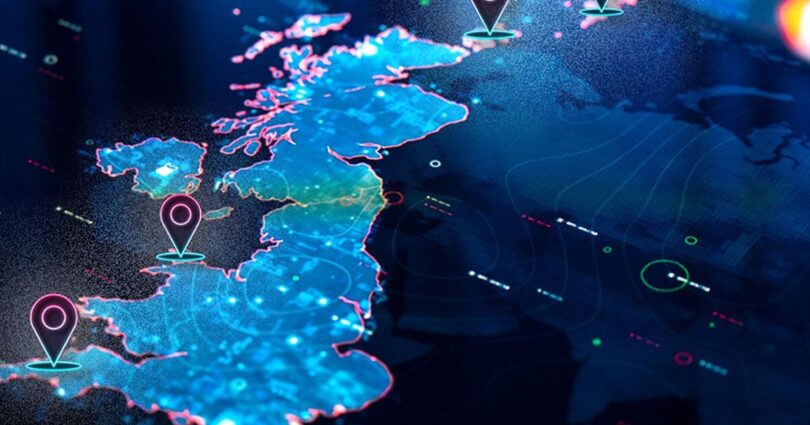
MPs have already raised concerns about a growing number of so-called “grey zone” attacks on UK soil linked to alleged Russian mercenary groups, while drones, disinformation campaigns and hacking operations are all being deployed in the ongoing US-Iran war.
Salomé argues the building blocks are already visible: nations competing to dominate artificial intelligence, a new generation of low-orbit spy satellites, self-piloting drone fleets, hypersonic detection platforms and an ever-escalating campaign of cyberattacks.
Where would future wars be fought?
In Salomé’s vision, the targets of future conflict would not be major cities or population centres but the facilities where cutting-edge military technology is being developed. He singles out Huntsville, Alabama, nicknamed “The Rocket City” as a prime example.
Home to Redstone Arsenal, one of America’s most significant defence and aerospace hubs, Huntsville is, in Salomé’s words, “one of the most advanced centres on Earth for radar systems, predictive intelligence, missile defence and automated warfare.”
He suggests some nations may already be targeting locations like it.
“The war of the future might not be won in the hands of the strongest nation,” he concluded. “But in the country able to witness the attack before everyone else.”