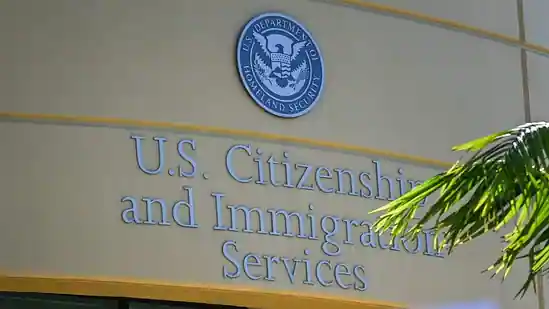
The United States Citizenship and Immigration Services is rolling out a stricter signature verification policy that could have major consequences for H-1B visa applicants, green card seekers and employers sponsoring foreign workers.
According to an interim final rule issued by the US Department of Homeland Security, USCIS will gain broader authority to reject or deny immigration filings if signatures are later found to be invalid, even after applications have already been accepted for processing.
The new regulation was published in the Federal Register on May 11 and will take effect on July 10, 2026.
What changes under the new rule?
Under the updated framework, USCIS may reject petitions missing valid signatures at intake, or deny cases during adjudication if signature issues are discovered later.
The policy also allows the agency to retain filing fees after a denial and treat the case as fully adjudicated.
Also Read: US visa interview: Facing rejection fear? Ex-visa officer shares tips on do’s and don’ts
That means applicants could potentially lose thousands of dollars in filing costs while also jeopardizing immigration benefits tied to the application.
The rule applies to immigration benefit requests filed on or after July 10.
Which signatures may now trigger problems?
DHS said the rule was introduced amid growing concerns over questionable or fraudulent signatures appearing on immigration forms.
USCIS clarified that handwritten signatures remain the standard requirement in most cases. Scanned copies of original wet-ink signatures, faxed versions and photocopies are still generally accepted.
However, the agency warned that several commonly used formats could be considered invalid, including:
- copy-and-paste signatures
- digitally generated signatures
- signature stamps
- reused signature images
- and signatures submitted by unauthorized individuals
Also Read: US visa update: What are the two new questions that could lead to rejection?
Electronic signatures will remain valid only in limited USCIS-authorized online filing systems.
Why H-1B and Green Card applicants should care
Immigration experts say the biggest shift is that signature problems may now resurface even after a filing receives a receipt notice from USCIS.
Previously, many applicants assumed acceptance meant technical signature issues had already been cleared. Under the new rule, officers can revisit signature validity later and deny the petition if problems are found.
The National Law Review noted that such denials could affect:
- employment authorization timelines
- lawful immigration status
- priority dates
- and work authorization validity
Employers urged to tighten compliance checks
The rule is expected to especially impact companies using digital workflows for immigration paperwork.
Legal experts are advising employers and HR departments to carefully review filing procedures, verify all required signature fields and maintain records of original wet-ink signatures wherever possible.