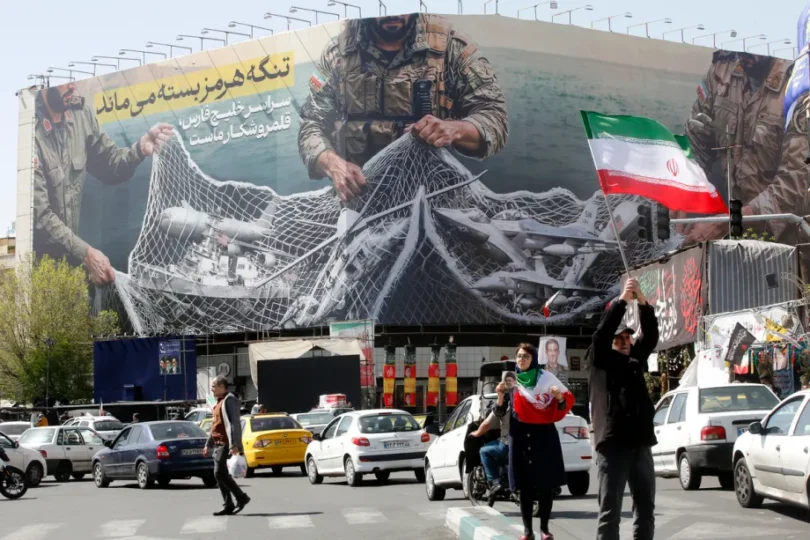
A strategic proposal on the “smart management” of the Strait of Hormuz has reached its final stage in Iran’s parliamentary National Security and Foreign Policy Commission and has been uploaded to parliament’s system for review and approval, the commission’s head said Wednesday, Anadolu reports.
Ebrahim Azizi said the proposal aims to use Iran’s geographic position in the strategic waterway as a “power-generating leverage.”
“The missile triad, the people and the Strait of Hormuz destroyed the product of 50 years of US efforts,” Azizi said in comments carried by the state broadcaster IRIB.
He also praised public support during the recent conflict, saying the presence of people in streets and public squares “carried an important message.”
The remarks came after Azizi previously said on April 10 that the proposal could allow the Iranian government to cooperate with Oman and expand control over the Strait of Hormuz, which became a major issue during the recent war launched by the United States and Israel against Iran.
Speaking at the time to IRIB, Azizi said the framework would become binding only after parliamentary approval.
READ: Iran sets 5 conditions for new talks with US: Report
He said the proposal could allow negotiations with Oman on a treaty related to certain aspects of the broader framework, while stressing that Muscat would not play a role in determining the future of the waterway.
Azizi also said the proposal would place the Strait of Hormuz under what he described as the “comprehensive and full control” of Iran’s armed forces and security institutions if approved.
According to Azizi, the proposal includes provisions restricting vessels linked to countries considered hostile to Iran, including Israel, as well as military and intelligence-linked ships deemed harmful to Iranian national security.
He also said the proposal contains economic measures, including the possible use of Iran’s national currency, the rial, in related financial arrangements.
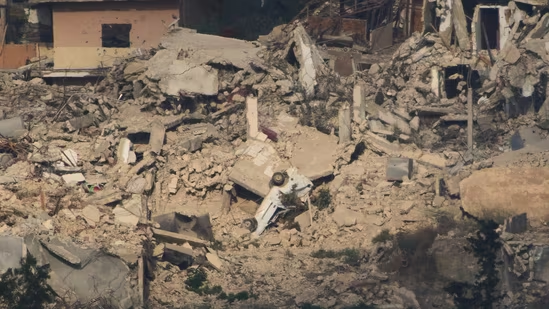
Regional tensions have escalated since the US and Israel launched strikes against Iran on Feb. 28, triggering retaliation from Tehran against Israel as well as US allies in the Gulf, along with the closure of the Strait of Hormuz.
A ceasefire took effect on April 8 through Pakistani mediation, but talks in Islamabad failed to produce a lasting agreement. The truce was later extended by US President Donald Trump without a set deadline.
On Sunday, Iran sent Pakistan its response to a US proposal for ending the war, but Trump dismissed it as “totally unacceptable.”
OPINION: Why Washington keeps hitting a wall with Iran