Ship traffic carrying raw materials through the Strait of Hormuz has fallen to its lowest level since the outbreak of the war, despite US efforts to reopen the strategic waterway, which Iran has effectively closed since the conflict began, according to data from maritime analytics company Kpler.
Kpler, which tracks only raw materials vessels, recorded the passage of just one ship on Monday and no ship crossings on Tuesday.
Such a sharp decline in shipping traffic has not been recorded since the start of the war, when the United States and Israel launched their first strikes on Iran on 28th February.
According to maritime data platform Lloyd’s List, around 120 ships usually pass through the Strait of Hormuz each day.
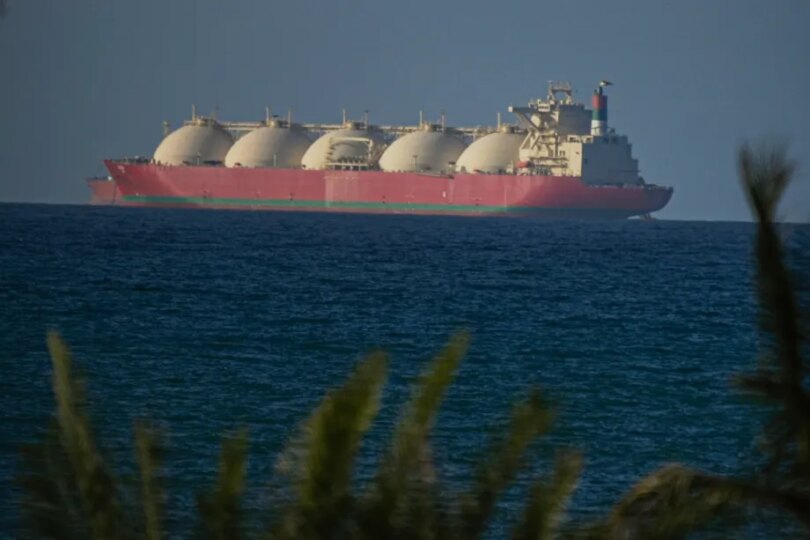
Since the outbreak of the war, Tehran has effectively shut down the strategic strait, through which around one-fifth of global oil production and large quantities of liquefied natural gas normally pass.
The United States, meanwhile, has imposed a blockade on Iranian ports in recent weeks over Tehran’s restrictions on maritime navigation.
On Monday, the vessel Nooh Gas crossed the strait carrying 11,357 tonnes of Iranian liquefied petroleum gas. The cargo had been transferred to the ship by the vessel Tania Star on 1 May after it was loaded at Mahshahr Port on 25 April.
The destination of Nooh Gas remains unknown.
US President Donald Trump announced on Tuesday the suspension of Project Liberty, launched a day earlier to escort ships through the vital strait, saying there had been “significant progress toward a full and final agreement” with Tehran.
Washington said on Monday that two US-flagged commercial vessels had “successfully” crossed the Strait of Hormuz under American escort, while Iran denied the claim.