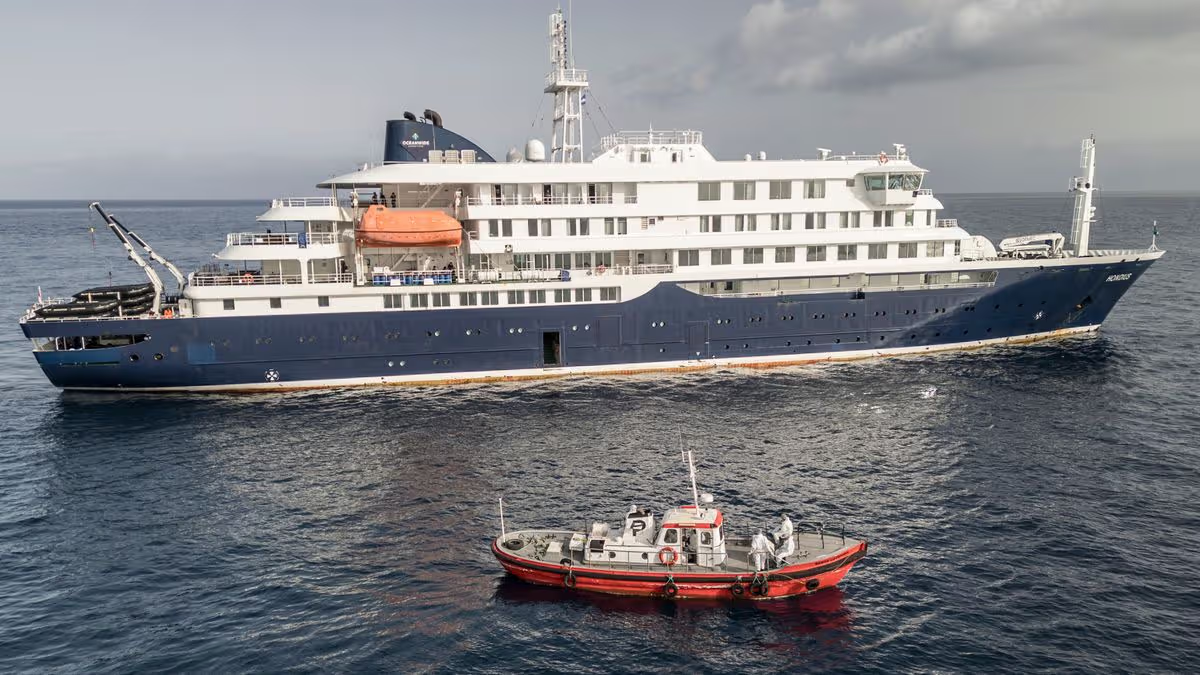
Passengers and crew on the luxury MV Hondius have been forced to stay on board following a suspected hantavirus outbreak on the cruise – officials have identified which strain has infected some people on the vessel
A suspected hantavirus outbreak has broken out on a cruise ship as three passengers from the vessel have died – officials have identified the specific strain.
Hantavirus is a rare disease that can sometimes be spread from rodents to humans but the World Health Organisation said it could have spread among “really close contacts”. Around 150 people remain stuck on the luxury liner MV Hondius as it sits off the coast of West Africa. Three passengers, including an elderly married couple, on the luxury Dutch liner have died, with one so far testing positive for hantavirus.
Other cases include a critically ill passenger, who is being treated in a hospital in Johannesburg, and three other people have reported mild symptoms.
READ MORE: Hantavirus cruise ship outbreak live: Canary Islands reject virus-hit MV HondiusREAD MORE: Hantavirus outbreak cruise ship rescue plan being drawn up for Brits stranded on MV Hondius
South Africa’s health ministry revealed that the two confirmed cases are linked to the Andes strain of hantavirus. Health officials have shared information and guidance on the rare but potentially fatal disease.
This virus can lead to hantavirus cardiopulmonary syndrome (HCPS) which is a complication that impacts the heart and lungs, which has a high mortality rate, according to the NHS. Only certain type of hantavirus can lead to HCPS and the Andes strain is one of them.
Symptoms
Health officials revealed the initial signs of the Andes virus can present with flu-like symptoms. This could include a fever, chills, muscle pain and sometimes gastrointestinal symptoms.
Respiratory symptoms tend to be absent at the start but these symptoms can show as the illness gets worse. For example, infected people could experience a dry cough which come from leakage from the capillaries into the lungs.
At this stage, other signs could include worse flu-like symptoms and abdominal pain, according to the NHS. Severe complications could arise as the illness progresses for example: respiratory failure, shock and haemorrhage.
Health officials also added that symptoms usually do not show immediately and usually start one to eight weeks later, according to the World Health Organisation. The illness typically develops two to four weeks after someone has been exposed to the Andes virus.
How is Andes virus spread?
Hantavirus can spread from animals to humans when people come into contact with infected rodents and their droppings, saliva or urine. This can include breathing in particles from infected droppings and touching infected parts with hands. It can also be contracted through rodent bites but this is very unlikely. Infected rodents do not show signs of the disease.
Officials added that the Andes variant is spread between humans through “close contact” with an infected person, adding that it can often happen between families.
Treatment
There is no proven specific treatment or vaccine for hantavirus or the Andes strain. Care for the infected is supportive and doctors will help treat respiratory, cardiac and kidney complications. The WHO added that diagnosing the virus early makes a big difference in managing the disease.
Where is the Andes virus present?
The Andes variant of hantavirus comes from infected rodents in South America, according to the NHS. The countries where the virus has been reported in the past include Argentina and Chile.
The WHO revealed the 70-year-old man his 69-year-old wife who died had travelled through South America, including Argentina, before they boarded the vessel.
The MV Hondius had been waiting off the coast of Cape Verde, after the island country refused to allow the cruise to dock. The ship had started heading towards the Canary Islands but the leader of the Spanish island group, on Wednesday morning, said he is refusing to allow the vessel to dock.
WHO director general Tedros Ghebreyesus said three patients have been evacuated from the liner and are being taken to the Netherlands for medical care.