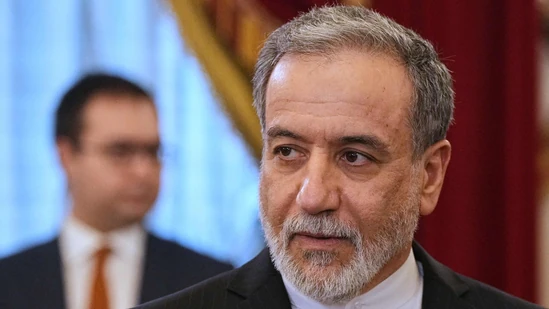
While still trying to navigate tensions with the US, Iran may have another problem close to home – a rift within the top leadership. An Iran International report said on Thursday that Iran’s President Masoud Pezeshkian and Speaker Mohammad Bagher Ghalibaf are seeking to remove foreign minister Abbas Araghchi over his alignment with the IRGC.
The report surfaces at a time when Iran supreme leader Mojtaba Khamenei has not been seen in public and US President Donald Trump has also said that there is some confusion regarding the leadership in Tehran.
The country’s top leadership has accused Araghchi of following the Revolutionary Guard chief, Ahmad Vahidi’s instructions in nuclear talks without informing the president, two sources familiar with the matter told Iran International.
They believe that Araghchi has acted more like an aide to Vahidi and less like a cabinet minister tasked with implementing government policy.
Sources familiar with the ongoing discussions between top Iranian leaders told Iran International that over the past two weeks, Araghchi has acted without informing Pezeshkian, in full coordination with Vahidi and based on his directives.
The Iranian president has told people close to him that he will dismiss Araghchi if it continues, the sources added.
Conflict between Pezeshkian and Vahidi?
Reports also reveal serious disagreements between Pezeshkian and Vahidi. Sources informed with the matter told dispute between the two stemmed from “the handling of the war and its destructive consequences for people’s livelihoods and the country’s economy.”
Given the critical war situation, Vahidi reportedly announced that all key and sensitive managerial posts must, until further notice, be directly selected and run by the Revolutionary Guards, stripping the Iranian president of authority to appoint replacements for government officials killed during the war.
Sources reveal that Pezeshkian was “frustrated” at being placed in a “complete political deadlock.”
Ghalibaf-led negotiations
Internal divisions within Iran’s legislature became evident when a group of hardline lawmakers declined to sign a parliamentary statement supporting the negotiating team.
Despite support from 261 other MPs, prominent figures aligned with Saeed Jalili, a hardline politician and withheld their signatures.
Following this dissent, Ghalibaf stepped down as head of Iran’s negotiating team, having been reprimanded for trying to include nuclear energy in the talks. He led the Iranian delegation in Islamabad during the first round of talks with the US.
Foreign minister Aragchi has since taken over the negotiations. The minister also arrived in Pakistan’s Islamabad to hand over Tehran’s peace proposal.